




The Importance of Vitamin D
Vitamin D is essential for several critical bodily functions. Its most well-known role is aiding the absorption of calcium, which is vital for maintaining strong and healthy bones. Beyond bone health, it supports a robust immune system, helping the body
fight off infections, and contributes to normal muscle function. Deficiency is linked to a range of issues including fatigue, bone pain, muscle weakness, and even a lower mood. Given its widespread importance, ensuring adequate levels is a key part of overall wellness.
The Indian Deficiency Paradox
It seems strange that in a country with abundant sunshine, Vitamin D deficiency is a widespread public health issue, with some studies showing a prevalence of 70% to 100% in the general population. Several factors contribute to this. Modern indoor lifestyles mean less time spent in direct sunlight. When people do go out, concerns about tanning and heat, as well as high levels of pollution in cities, lead to sun avoidance or reduced UVB ray exposure. Furthermore, Indian skin tones, which have higher melanin, require longer sun exposure to produce the same amount of Vitamin D as lighter skin. These factors combined mean that diet and other sources become even more important.
Fatty Fish: A Potent Natural Source
When it comes to naturally vitamin D-rich foods, fatty fish are superstars. Varieties commonly found or available in India like Salmon (Rawas), Mackerel (Bangda), and Sardines (Tarli) are excellent sources. These fish store vitamin D in their flesh and oil. Including a serving of fatty fish in your diet once or twice a week can significantly contribute to your intake. For example, a 100g portion of Hilsa can provide a substantial amount of the daily recommended dietary allowance (RDA). Cod liver oil is another potent, albeit traditional, source.
Egg Yolks and Dairy Products
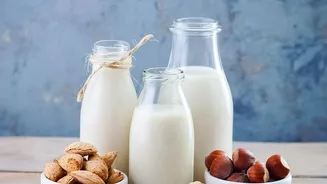
For many, especially lacto-ovo-vegetarians, eggs are a more accessible option. The vitamin D is concentrated in the yolk, so it's important to eat the whole egg. While the amount of vitamin D in one egg yolk is modest—around 40 IU—it adds up when consumed regularly. Regular dairy products like milk, curd, and paneer naturally contain very little vitamin D. However, their contribution becomes significant when they are fortified. Many brands in India now offer vitamin D-fortified milk, which is a great way to get both calcium and vitamin D together.
Mushrooms: The Plant-Based Star
Mushrooms are unique as they are one of the few plant-based sources of vitamin D. They have the ability to produce vitamin D2 when exposed to ultraviolet (UV) light from the sun. Regular button mushrooms grown in the dark contain very little, but mushrooms that are specifically sun-dried or labelled as UV-exposed can be a good source for vegetarians and vegans. A 100g serving of UV-exposed mushrooms can provide a significant amount, from 300-450 IU.
The Rise of Fortified Foods
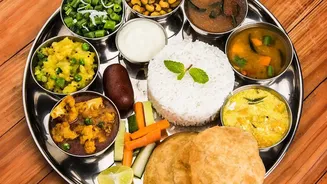
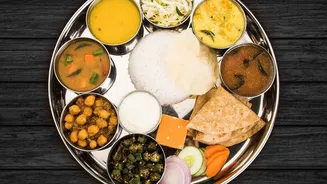
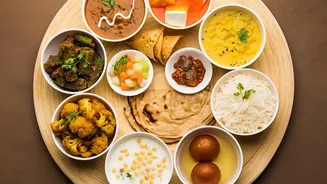
Food fortification is a key strategy to combat micronutrient deficiencies. In India, you can find a growing number of foods fortified with vitamin D. This includes staples like milk and edible oils, breakfast cereals, and plant-based milks like soy and almond milk. Always check the product label to see if it's fortified and to understand how much vitamin D a serving provides. For many people, consistently using fortified products can be one of the most reliable ways to increase dietary intake, as the regular Indian thali is not naturally rich in this vitamin.
Don't Forget Smart Sun Exposure
While food is important, the most efficient way for your body to produce vitamin D is through direct sun exposure. The best time for this in India is generally between 10 AM and 3 PM, when UVB rays are strongest. Exposing your arms and legs for about 30-45 minutes, a few times a week, can be equivalent to consuming 600-1000 IU of vitamin D. It's a balance; you need enough sun for vitamin D synthesis without risking skin damage. This is a powerful, free, and natural method that should complement any dietary strategy.