







The Waterproof Backpack: Your First Defence
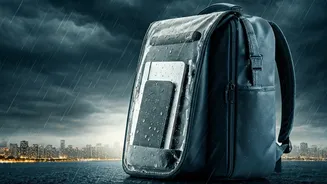
The foundation of any rain-proof strategy is the bag itself. While water-resistant bags offer some protection against light drizzle, the torrential downpours common across India call for something more robust. Fully waterproof backpacks are gaining immense
popularity, especially among daily commuters in cities like Mumbai, Bengaluru, and Kolkata. These bags often feature welded seams and roll-top closures, similar to bags used for kayaking or rafting. This design creates an airtight seal, ensuring that not a single drop of water reaches your laptop, books, or change of clothes. Brands that once catered only to hardcore adventurers are now finding a massive urban market. When shopping, look for materials like PVC tarpaulin or nylon-coated polyurethane for maximum protection. It’s an investment that pays for itself with the first saved electronic device.
Dry Bags: The Secret Weapon Inside
Even if you’re not ready to replace your favourite backpack, you can still make it monsoon-proof from the inside out. This is where dry bags come in. These are lightweight, waterproof sacks designed to be placed inside a larger, non-waterproof bag. They are the ultimate organisational tool for the rainy season. You can use separate dry bags for different categories of items: one for electronics (laptop, chargers, power bank), another for important documents and your wallet, and a third for a dry set of clothes or a towel. This compartmentalisation not only guarantees dryness but also makes it easy to find what you need without exposing all your belongings to the rain. They are inexpensive, versatile, and available in a range of sizes on all major e-commerce platforms, making them one of the most popular elements of this trend.
The Humble Phone Pouch: A Non-Negotiable
Perhaps the single most popular item in the rain-proofing arsenal is the transparent waterproof phone pouch. For a few hundred rupees, you get a simple plastic pouch with a secure locking mechanism that keeps your smartphone completely dry, even if submerged. What makes them a must-have is their functionality; the clear material allows you to use your phone's touchscreen, take calls, and even snap photos without ever removing it from the safety of the pouch. Whether you're navigating a waterlogged street using Google Maps or just caught in a sudden storm, this small accessory provides complete peace of mind. It’s no longer just for beach holidays; it has become an everyday carry item for millions during the monsoon months.
Beyond Bags: Protecting Your Other Essentials
Rain-proof packing isn’t just about the bag; it extends to everything you carry. Silicone shoe covers are a game-changer, stretching over your regular office shoes to keep them clean and dry during your commute. They are reusable, foldable, and a far more stylish alternative to carrying a separate pair of rain-specific footwear. For those who carry physical documents, investing in a few waterproof plastic folders is a simple but effective hack. Another trending item is the compact, quick-dry towel. Made from microfibre, it’s super absorbent, dries in a fraction of the time a normal cotton towel would, and takes up minimal space in your bag, ready for any unexpected drenching.
The Rise of Water-Repellent Fabrics
The trend also influences what we wear. While a full-on raincoat is a given, people are now looking for everyday apparel with built-in water-repellent properties. Think jackets, trousers, and even shirts made from fabrics treated with a Durable Water Repellent (DWR) finish. These cause water to bead up and roll off the surface rather than soaking in. This is particularly useful for those who ride two-wheelers or have a long outdoor walk as part of their commute. Brands are responding by incorporating these technical features into stylish, urban designs that don't scream 'outdoor gear'. This focus on smart fabrics means you can stay dry without compromising on professional style, which is a key reason for its growing adoption.