

The Great Indian Breakfast Shift
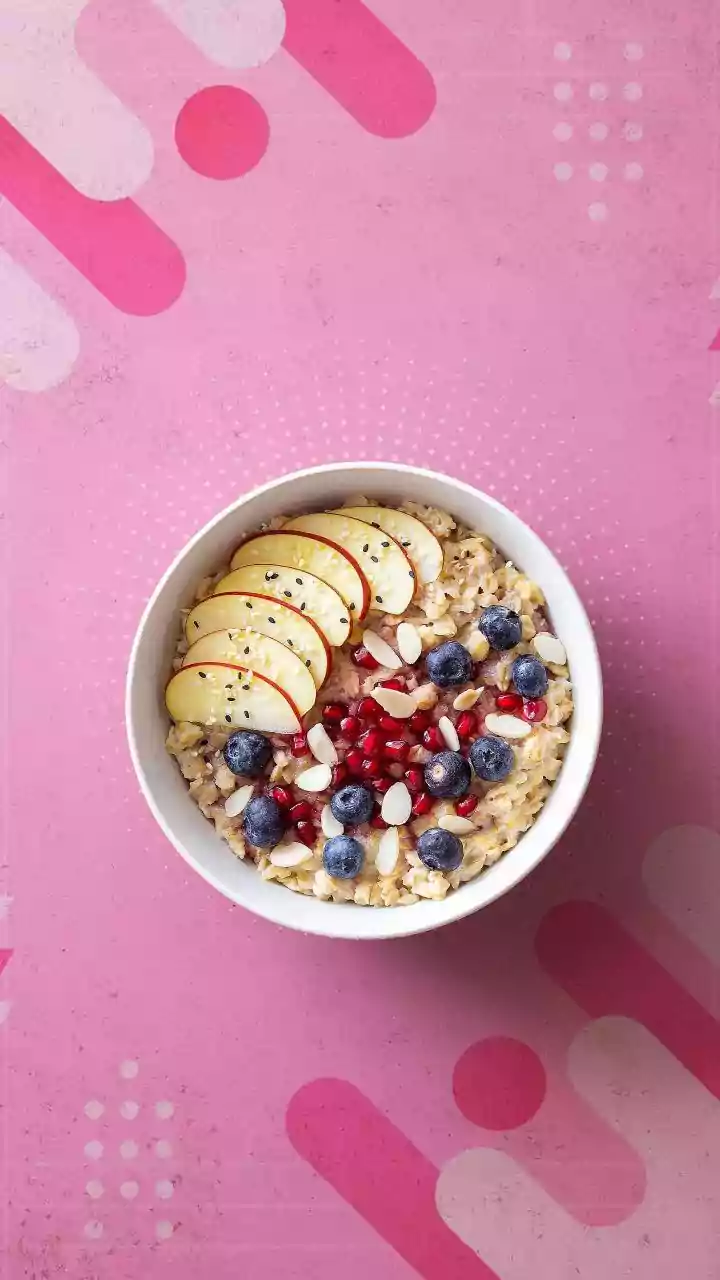
For years, the morning rush in many city homes was synonymous with the rustle of a cereal box. Marketed as a quick and healthy solution, processed cereals became a convenient staple. However, a noticeable shift is underway. Consumers are becoming more
discerning, reading labels and questioning the high sugar content and refined grains in many popular breakfast options. This growing health consciousness, coupled with a desire to reconnect with traditional food practices, is paving the way for the comeback of ancient grains. Once dismissed as “poor man’s food,” millets are being rediscovered by a new generation of health-savvy urbanites who are choosing nutritional value over novelty.
Why Millets, and Why Now?
The resurgence of millets is no accident. These small-seeded grasses, including varieties like ragi (finger millet), jowar (sorghum), and bajra (pearl millet), have been a part of Indian diets for centuries. Their renewed popularity is driven by a powerful combination of nutritional science and cultural pride. Millets are nutritional powerhouses; they are naturally gluten-free, rich in protein and dietary fibre, and packed with essential minerals like iron, calcium, and magnesium. Unlike refined cereals that can cause sugar spikes, millets have a low glycemic index, which means they release energy slowly and keep you feeling full for longer. This makes them an excellent choice for managing blood sugar levels and maintaining steady energy throughout the morning. Government initiatives and global recognition, such as the UN's declaration of 2023 as the International Year of Millets, have also significantly boosted awareness.
The Gentle Power of Steaming
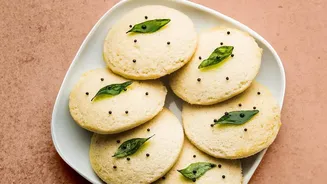
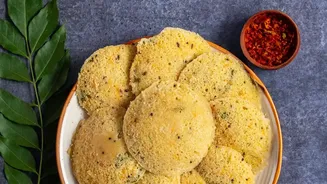
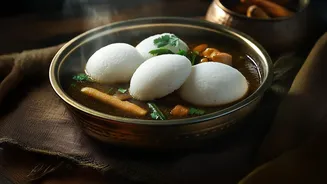
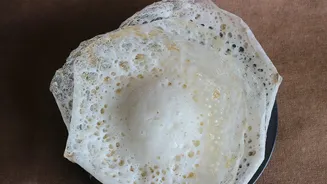
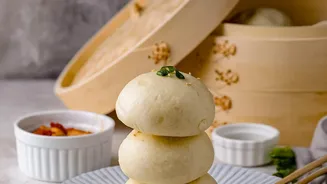
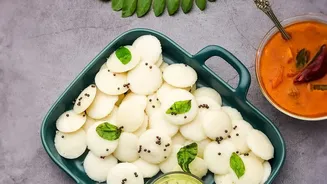
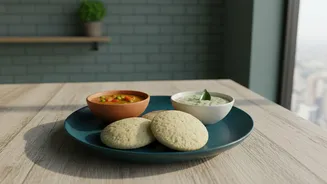
The cooking method is just as important as the ingredient. The headline's focus on “steamed” favorites highlights a key aspect of this trend. Steaming is a gentle cooking process that helps retain the nutrients in the food, unlike frying or even boiling, which can lead to nutrient loss. Traditional Indian breakfasts have long embraced this technique. Think of soft, fluffy idlis, which are now being reimagined with millet flour. Dishes like ragi mudde (steamed finger millet balls) from Karnataka, barnyard millet dumplings (kozhukattai), and various forms of steamed millet cakes are moving from regional specialties to mainstream breakfast staples. These preparations are light on the stomach, easy to digest, and deliver a clean, nourishing start to the day without the need for excessive oils or fats.
From Grandma’s Kitchen to Instagram Feeds
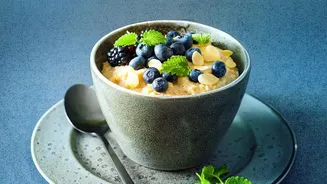
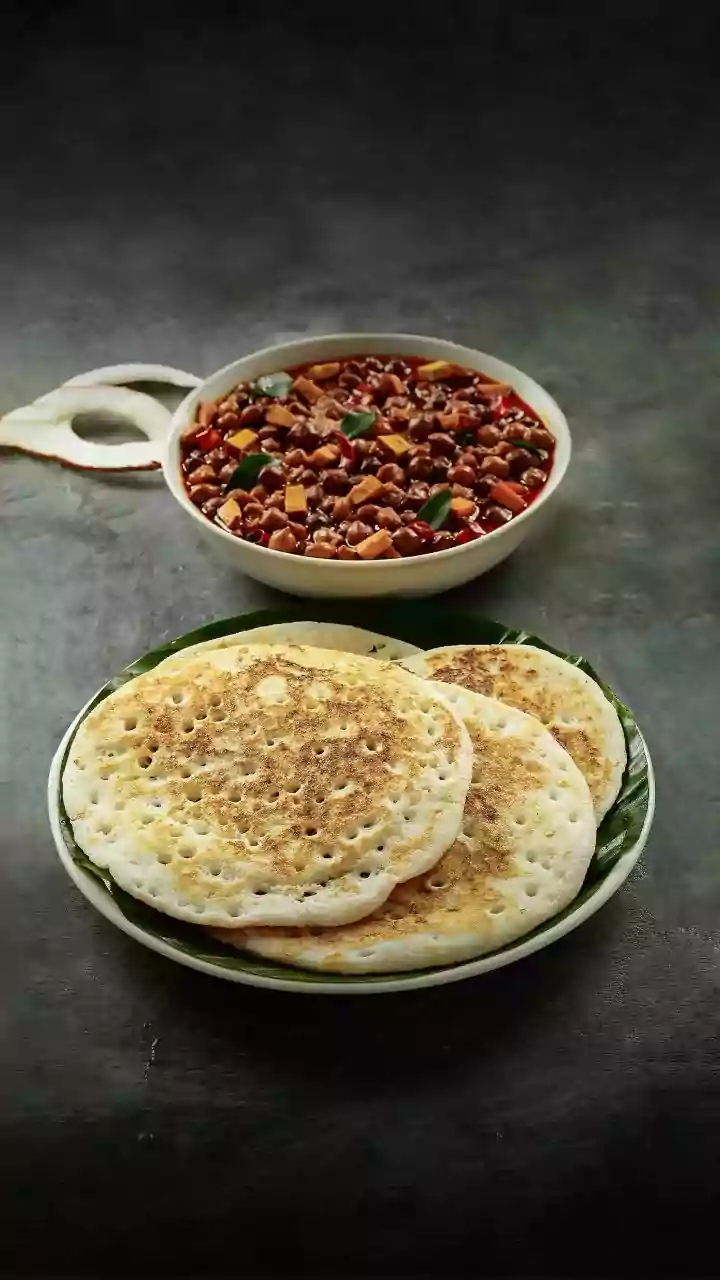
What was once considered old-fashioned is now incredibly trendy. Home cooks and food influencers are creatively adapting their grandmother's recipes for a modern audience. Social media platforms are filled with visually appealing pictures of colourful millet upma, fluffy bajra pancakes, and perfectly crafted ragi dosas. This digital revival has made traditional recipes more accessible and appealing, especially to younger generations. Brands have also taken notice, offering a wide range of millet-based products, from ready-to-cook idli and dosa batters to millet flakes that serve as a direct, healthier alternative to cornflakes. This blend of tradition and convenience makes it easier than ever for busy urban families to incorporate these superfoods into their daily routine.
More Than a Meal: A Return to Roots
This shift away from processed cereals is about more than just nutrition; it is a cultural statement. It represents a conscious decision to embrace local, seasonal, and sustainable eating habits. Millets are climate-resilient crops that require less water and fewer pesticides than wheat and rice, making them an environmentally friendly choice. By choosing regional millet dishes, consumers are not only investing in their own health but also supporting local farmers and a more sustainable food system. It’s a return to a way of eating that is in harmony with the land and our bodies, proving that sometimes the best way forward is to look back to the wisdom of our ancestors.