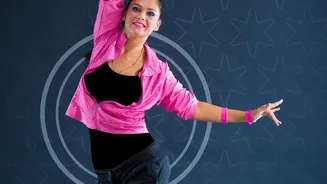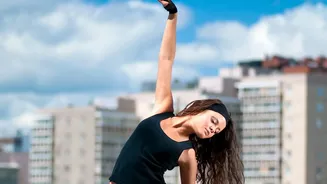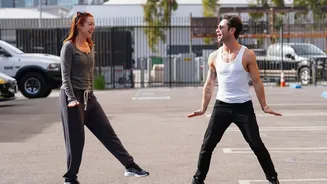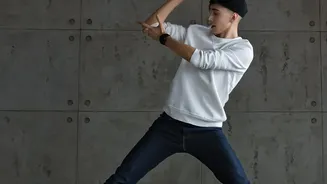



Ready to get fit without a single piece of equipment? Freestyle dance workouts offer a joyful, effective way to move your body, and you can start today. This guide shows you how to turn any room into your personal dance floor.
Why Dance Is Your New Favourite Workout
Forget treadmills and dumbbells;
freestyle dance is an accessible and fun way to get a full-body workout. It boosts your cardiovascular health, improves muscle tone, strength, and endurance. The constant movement gets your heart pumping, which can burn anywhere from 300 to 600 calories an hour depending on intensity. Beyond the physical, dancing is a powerful mood booster. The combination of music and movement releases endorphins, the body's natural feel-good hormones, helping to reduce stress and anxiety. Best of all, it requires no special gear—just you, some music, and a bit of space.
Finding Your Rhythm and Space
The first step in any freestyle dance session is letting go of the idea that you need to be a 'good dancer'. The goal is simply to move your body in a way that feels good. Don't worry about how you look or whether you're doing a move 'correctly'. Start by creating a small, clear space in your home—enough to take a step or two in any direction. Put on a playlist of songs that make you want to move. Pop hits, Latin beats, or hip-hop anthems are great places to start because of their strong, clear rhythms. The key is to listen to the music and let your body react naturally to the beat.
The Basic 'Moves' of Freestyle
Freestyle isn't about complex choreography; it's about spontaneous, improvised movement. Start with simple, foundational actions. The two-step, which is just shifting your weight from side to side, is a great starting point. You can also march in place, adding shoulder rolls or simple arm swings. Try basic step-touches, where you step to one side and tap your other foot next to it. Incorporate gentle body rolls, hip sways, and arm movements. The idea is to take one simple move and experiment with it. You can change the speed, make the movement bigger or smaller, or add your arms to create variations.
Structuring Your First Workout
A structured session ensures you get a safe and effective workout. A 30-minute plan is perfect for beginners. Start with a 5-minute warm-up of light movement like marching in place and dynamic stretches such as hip and shoulder rolls to prepare your muscles. Follow this with 20 minutes for the main workout. Pick a few songs and focus on continuous movement. You can dedicate one or two simple moves to each song. Towards the end of this block, you can pick up the pace for a song or two if you feel comfortable. Finally, end with a 5-minute cool-down. Choose a slow song and perform gentle stretches for your major muscle groups, like your calves, hips, and shoulders.
Tips for Staying Motivated
The key to building a fitness habit is consistency. Aim for two or three sessions a week to start, with rest days in between. To keep things interesting, regularly update your playlist with new music that excites you. Don't be afraid to explore different genres. If you find yourself feeling self-conscious, try dancing without a mirror. This helps you focus on how the movement feels rather than how it looks. Remember that progress isn't about perfection; it's about enjoying the process. Some days you'll have more energy than others, and that's okay. The most important thing is to have fun, because when a workout feels like a party, you're more likely to stick with it.