







Jamun (Indian Blackberry)
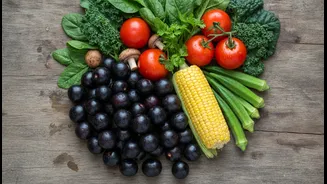
This deep purple fruit is a quintessential monsoon delight. With a unique sweet, tart, and slightly astringent flavour, Jamun is not just delicious but also a nutritional powerhouse. It is particularly known for its ability to help regulate blood sugar
levels, making it a good choice for those with diabetes. Rich in iron, potassium, vitamin C, and powerful antioxidants called anthocyanins, Jamun helps boost immunity, which is crucial for fending off common monsoon infections like colds and flu. Its high iron content can also combat the fatigue that often accompanies the humid weather.
Corn (Bhutta)
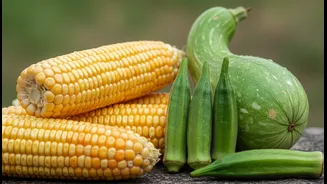
The sight and smell of roasted corn on the cob, seasoned with lemon and masala, is a hallmark of the Indian monsoon. This comforting snack is more than just a seasonal craving; it's a nutritious choice. Corn is an excellent source of dietary fibre, which aids digestion and helps prevent issues that can arise during the monsoon. It is also packed with essential nutrients like B-complex vitamins, magnesium, and phosphorus. The antioxidants present in corn, such as lutein and zeaxanthin, support eye health, while its high water content helps with hydration during humid days.
Pomegranate (Anar)
Vibrant and packed with jewel-like seeds, the pomegranate is another fruit that thrives during the rainy season. It is celebrated for its impressive antioxidant content, which is even higher than that of many other fruits. These antioxidants help reduce inflammation and support heart health. Pomegranates are also a great source of vitamin C and dietary fibre, contributing to a stronger immune system and better digestion. Enjoying these ruby-red seeds can be a refreshing way to stay healthy and fight off seasonal illnesses.
Gourds (Lauki, Karela, Turai)
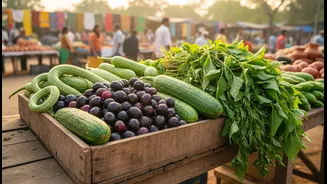
The monsoon is the peak season for a variety of gourds. Bottle gourd (lauki) is light, easy to digest, and has a high water content, which helps keep you hydrated. Bitter gourd (karela), despite its taste, is highly recommended for its ability to boost immunity, regulate blood sugar, and support liver function. Ridge gourd (turai) is another light and nutritious option, rich in fibre and vitamin C. These vegetables are ideal for making light curries and soups that are easy on the stomach during a season when digestion can be sluggish.
Peaches and Plums (Aadu and Aloo Bukhara)
The tail end of summer and the beginning of the monsoon bring juicy peaches and plums to the market. Peaches are loaded with vitamins A and C, which are vital for skin health and a robust immune system. Plums are rich in antioxidants and fibre, helping to improve digestion and boost immunity. Both fruits offer a sweet and tangy flavour that can brighten up any grey, rainy day while providing essential nutrients to keep you feeling your best.
Okra (Bhindi)
Okra, or bhindi, is a staple in Indian kitchens and it flourishes in the warm, humid conditions of the monsoon. This versatile vegetable is an excellent source of soluble fibre, which promotes good gut health and can help manage cholesterol levels. It is also rich in folate and vitamin K. Whether stir-fried into a crispy 'bhindi masala' or added to a simple curry, okra is a delicious and healthy way to enjoy the season's offerings.
Cherries and Litchis
Available at the beginning of the monsoon, cherries and litchis are sweet, juicy treats packed with health benefits. Cherries are rich in antioxidants and melatonin, which can help improve sleep quality. Litchis are an excellent source of vitamin C, copper, and potassium, providing a significant boost to the immune system. Their high water content also makes them a refreshing choice to combat the humidity.