



What Exactly Is Cold Infusion?
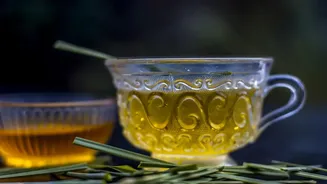
Unlike traditional iced tea, which is typically brewed hot and then cooled down, cold infusion—also known as cold brew tea—uses time instead of heat. The process involves steeping loose leaf tea and other botanicals, like fresh lemongrass, in cold or
room-temperature water for an extended period, usually anywhere from four to twelve hours. This slow, patient method gently coaxes out the delicate flavours and aromatic compounds from the ingredients. The result is a beverage that is noticeably smoother, naturally sweeter, and significantly less bitter. Hot water can sometimes be aggressive, extracting bitter-tasting compounds called tannins all at once, but cold water leaves most of them behind, revealing the true character of the tea.
A Perfect Pairing: Lemongrass and Tea
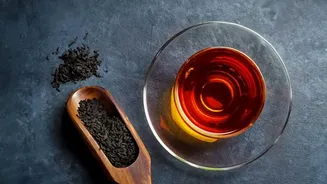
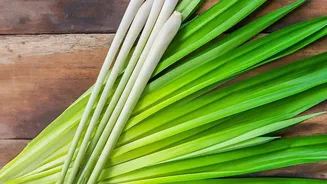
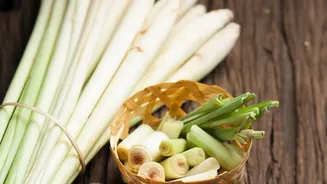
Lemongrass is a star ingredient in the world of infusions, and for good reason. Its unique flavour profile—bright, citrusy, and slightly minty—makes it a versatile and refreshing partner for a wide variety of teas. When bruised or lightly crushed, the stalks release aromatic oils that blend beautifully with the nuanced notes of loose leaf tea. This combination is becoming a highlight on the menus of modern tea cafés in India, which are increasingly focusing on artisanal blends and wellness-oriented drinks to appeal to a new generation of consumers. The clean, zesty character of lemongrass can cut through the richness of a black tea, complement the grassy notes of a green tea, or enhance the floral bouquet of an oolong.
The Wellness Factor
The appeal of this blend goes beyond just taste. Cold infusion is believed to offer enhanced health benefits. The gentle extraction process may preserve more of the delicate antioxidants found in tea, such as EGCG, which can be damaged by heat. This method also results in a brew with lower acidity and less caffeine, making it easier on the stomach and a great option for those who are caffeine-sensitive. Lemongrass itself is celebrated in herbal traditions for its potential benefits, including aiding digestion and possessing calming properties. Together, they create a functional beverage that is both flavourful and feels good to drink.
Delicious Combinations to Explore
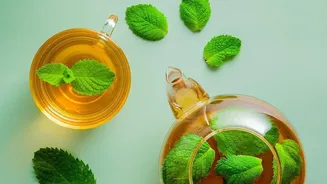
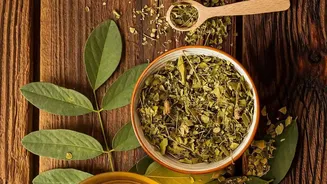
The beauty of this trend lies in its versatility. For a classic and invigorating choice, pair fresh lemongrass with a quality Japanese sencha or a Chinese dragon well green tea. The citrus notes of the lemongrass enhance the fresh, vegetal character of the green tea. For something a little different, try infusing lemongrass with a light-bodied oolong; the tea’s floral and creamy notes provide a beautiful contrast to the lemongrass’s sharp zest. Herbal tea lovers can create a completely caffeine-free infusion by combining lemongrass with ingredients like hibiscus for a tart, ruby-red drink, or with ginger and mint for a classic, soothing tonic.
Your Guide to At-Home Cold Infusion
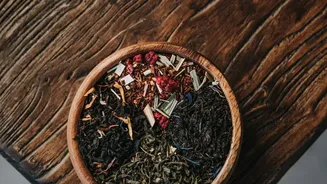
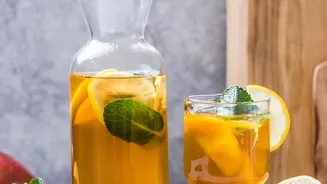
Creating your own lemongrass and tea infusion is surprisingly simple. You'll need a large glass jar or pitcher, filtered water, your favourite loose leaf tea, and fresh lemongrass stalks. For every litre of water, use about 2-3 teaspoons of loose tea and one or two lemongrass stalks. First, prepare the lemongrass by cutting it into smaller pieces and bruising it with the back of a knife to help release its flavours. Combine the lemongrass and tea leaves in your jar, pour the cold filtered water over them, and give it a gentle stir. Cover the jar and place it in the refrigerator to steep for at least 4-12 hours, depending on your desired strength. Once it's ready, simply strain the leaves and lemongrass out, and your refreshing cold infusion is ready to be served over ice.