







The Big News: A Global Hike With An Indian Exception
Japan announced a significant revision of its visa fees for travellers around the world, effective from July 1, 2026. For most nationalities, this meant a substantial price jump. For instance, a single-entry visa for other foreign nationals applying in India
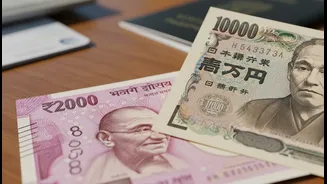
now costs around ₹8,650, and a multiple-entry visa is approximately ₹17,350. However, the Embassy of Japan in India confirmed that this global hike does not apply to Indian passport holders. Thanks to a long-standing bilateral arrangement, Indians will continue to pay the highly concessional rate of just ₹500. This applies to both single-entry and multiple-entry visas, making a Japanese visa one of the most affordable for Indian travellers planning a long-haul trip.
Who Is Eligible for the ₹500 Fee?
This favourable visa fee structure applies to Indian citizens holding a valid Indian passport who are applying for short-term visas. This includes several popular categories such as tourism, visiting friends or relatives, and short-term business purposes. Whether you're planning to witness the cherry blossoms in Kyoto, attend a business conference in Tokyo, or explore the vibrant street food of Osaka, the ₹500 fee remains the same. It is important to note that this fee is the base visa charge set by the embassy. Applicants will also need to pay a service charge to the authorized application centre, VFS Global, which is currently around ₹800. Even with this additional charge, the total cost remains remarkably low compared to the new global standard.
How to Apply for Your Japan Visa
The application process remains straightforward for Indian citizens. You cannot get a visa on arrival in Japan, so you must apply in advance. Applications must be submitted through authorized VFS Global centres. The general advice is to apply up to three months before your intended travel date. You will need to download and complete the visa application form, and gather the required documents, which typically include a valid passport, recent photographs, proof of funds, flight and hotel reservations, and a detailed itinerary. In April 2024, Japan also introduced an e-visa system for Indian nationals applying for a single-entry tourist visa for up to 90 days. This allows for an electronic visa to be issued instead of a physical sticker in your passport, streamlining the process further. However, applications are still submitted through VFS centres.
An Important Change for Transit Passengers
While the fee news is positive, travellers should be aware of one significant change that affects all nationalities, including Indians. Japan has abolished the separate transit visa category as of July 1, 2026. Previously, travellers could apply for a specific visa to pass through Japan on their way to another country. Now, individuals who need to enter Japan during a layover may need to apply for a standard short-term stay visa instead. This is a crucial point to consider for anyone planning a journey that includes a stopover in Japan, as it may require a different type of application than in the past.
Why This Matters for Indian Travellers
The decision to shield Indian applicants from the global fee hike is a testament to the strong and growing relationship between India and Japan. In recent years, Japan has been actively working to attract more tourists, and India is a key market in this strategy. By maintaining the low visa fee, Japan keeps the door wide open for Indian tourists, students, and business travellers. At a time when the costs associated with international travel are rising, this special arrangement makes Japan a highly attractive and accessible destination. It reinforces the country's welcoming stance towards Indian visitors and makes planning that dream trip a more concrete and affordable reality.