
Introducing the SHAPE Payload
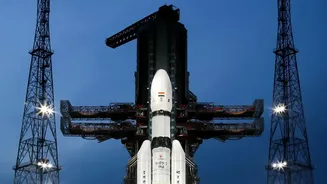
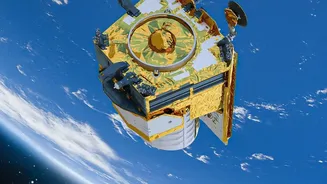
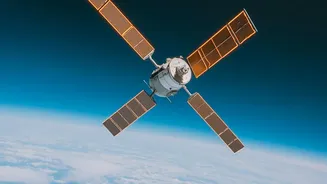
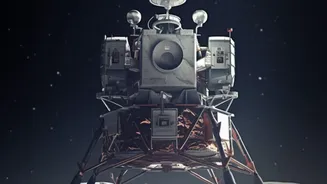
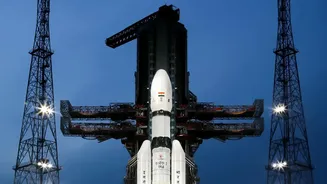
A key, yet lesser-known, instrument aboard the Chandrayaan-3's propulsion module was SHAPE, which stands for Spectro-polarimetry of HAbitable Planet Earth. Unlike the lander and rover instruments focused on the lunar surface, SHAPE’s sole purpose was to
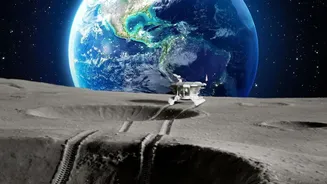
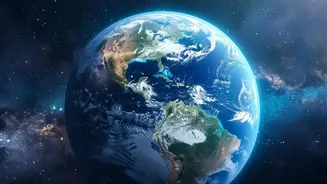
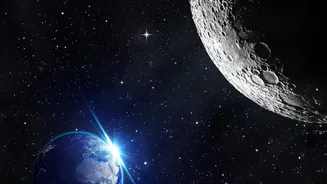
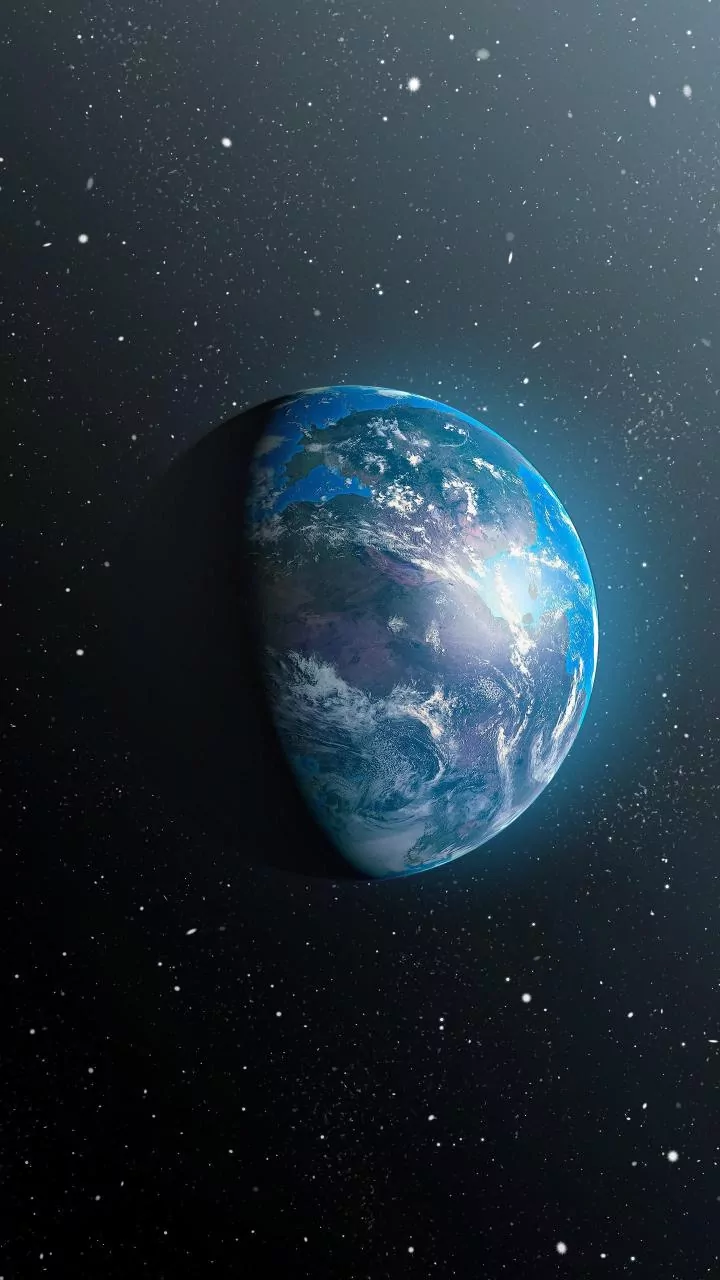
look back at our planet from its unique vantage point in lunar orbit. This experiment was not about taking beautiful pictures of home; it was a clever and resource-efficient scientific mission designed by ISRO to use Earth as a cosmic laboratory. The goal was to study the specific characteristics of light reflected from a known life-bearing planet. By doing so, SHAPE aimed to create a 'fingerprint' or a reference model for what a habitable planet looks like from a great distance.
Why Observe Earth from the Moon?
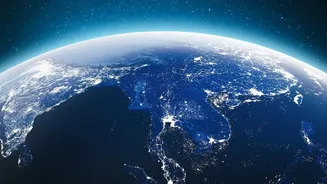
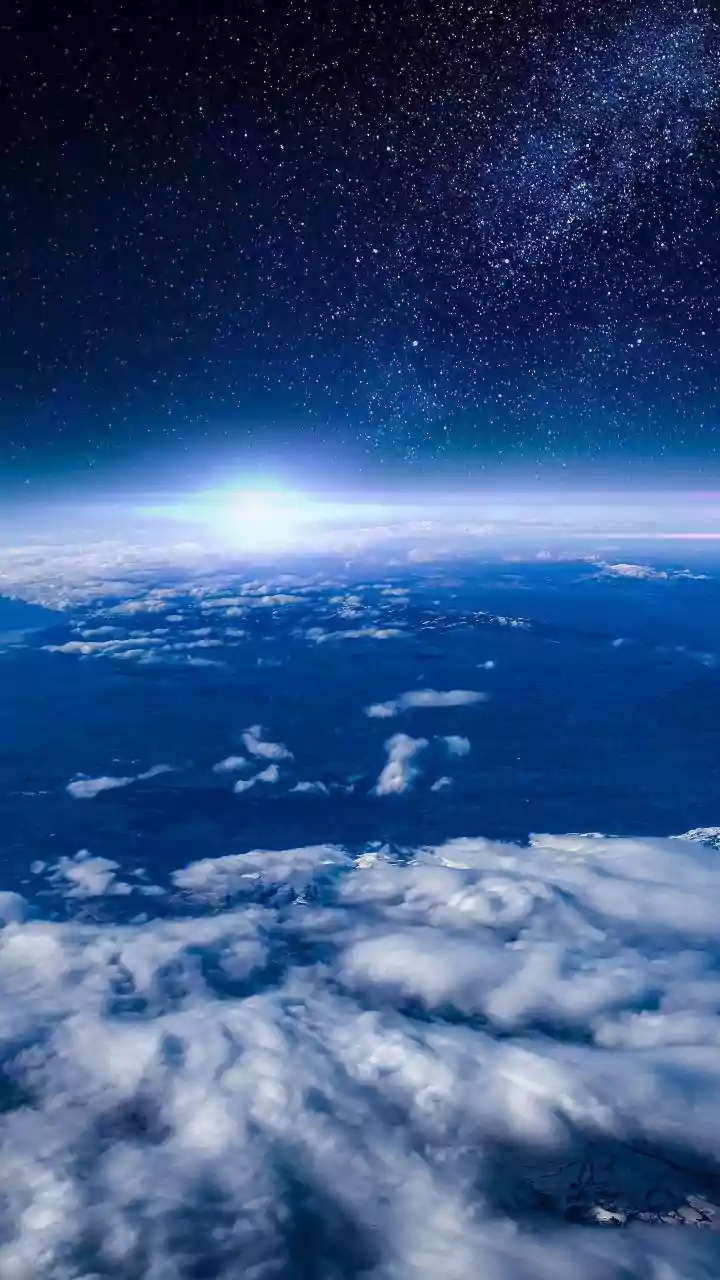
Viewing Earth from hundreds of thousands of kilometres away provides a perspective similar to how we observe exoplanets—planets orbiting other stars. To a distant observer, an exoplanet is just a single point of light. It's impossible to see its oceans, continents, or clouds directly. Instead, scientists must analyse the properties of that light to infer the planet's characteristics. The SHAPE experiment used this exact principle. By observing the 'disc-integrated' light from Earth—meaning the light from the entire planet combined into one signal—it could measure the spectral and polarimetric signatures of a planet we know hosts life. This provides an invaluable baseline for future missions that will scan the skies for other 'pale blue dots'.
The Science of Spectro-polarimetry
SHAPE's method, spectro-polarimetry, is a powerful technique for analysing light. 'Spectrometry' involves breaking light down into its constituent colours or wavelengths, which can reveal the chemical composition of a planet's atmosphere, such as the presence of gases like oxygen and water vapour. 'Polarimetry', on the other hand, measures the orientation of light waves. When sunlight reflects off different surfaces—like oceans, landmasses, or clouds—it becomes polarized in distinct ways. For instance, light bouncing off clouds has a different polarization signature than light reflecting from a liquid water ocean. By combining these two measurements, SHAPE could gather rich data not just on what our atmosphere is made of, but also on the presence and nature of clouds, which is a key indicator of climate and potential habitability.
What the Data Revealed
Operating in the near-infrared wavelength range (1.0–1.7 μm), SHAPE successfully collected data on Earth's light signatures across various phase angles, similar to how we see the Moon in different phases. The initial findings confirmed the instrument's ability to detect key biosignatures. The spectra recorded by SHAPE clearly showed absorption features corresponding to water vapour and oxygen in Earth's atmosphere. Furthermore, the polarimetric data provided vital information on cloud cover and its properties. While the complete dataset is still under analysis by ISRO scientists, the initial results have proven the viability of this technique. It demonstrates that a compact, lightweight instrument can successfully create a detailed reference for the signs of life and habitability from a distance.
Paving the Way for Exoplanet Hunting
The true legacy of the SHAPE experiment lies in its contribution to the future of astronomy. The search for habitable exoplanets is one of the most exciting frontiers in science, but it's also incredibly challenging. Knowing what to look for is half the battle. The data gathered by SHAPE provides a crucial benchmark. When powerful future telescopes are pointed at a promising rocky exoplanet in a distant star system, scientists can compare the light from that world to the reference data from a known habitable one: Earth. If the spectro-polarimetric signatures match, it would be a strong indicator that the distant planet might have an atmosphere, clouds, and maybe even oceans. In essence, ISRO's ingenious experiment has turned our own planet into a guide for finding others.