







The Good News on Visa Fees
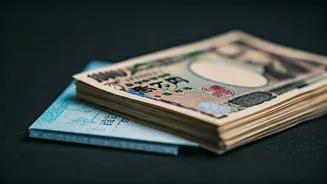
Here’s the main reason Japan visa fees are a hot topic: while Japan announced its first major global visa fee hike in nearly 50 years, effective July 1, 2026, Indian citizens have been exempted. For most foreign nationals, the cost of a single-entry visa jumped
from JPY 3,000 to JPY 15,000 (roughly ₹8,760). However, for Indian passport holders, the cost remains remarkably low. According to the Embassy of Japan in India, the visa fee for Indian nationals is just ₹500. This fee applies to both single-entry and multiple-entry visas, making Japan one of the most affordable long-haul destinations for Indians in terms of visa processing costs.
Understanding the Total Cost
While the core visa fee is only ₹500, it's not the final amount you'll pay. Applications for most visa types must be submitted through VFS Global, Japan's official visa application partner in India. VFS Global charges a mandatory service fee for processing your application. As of mid-2026, this service charge is ₹800, inclusive of all taxes. Therefore, the total mandatory cost for most Indian applicants comes to ₹1,300 (₹500 for the visa fee + ₹800 for the VFS service charge). Optional services, such as courier return of your passport, are available for an additional fee, which is typically around ₹550.
How Japan's Fees Compare
The ₹1,300 total puts Japan in a very favourable position when compared to other popular international destinations for Indian travellers. For instance, a US tourist visa application fee is $185 (upwards of ₹15,000), and a standard UK visitor visa costs over £100 (more than ₹10,000). A Schengen visa, which grants access to numerous European countries, has a standard fee of €80 (around ₹7,000). Japan’s continued affordability, thanks to the bilateral arrangement that exempts Indians from the recent global fee hike, makes the initial step of planning a trip significantly more accessible.
Recent Changes to the Application Process
While the fees have remained stable for Indians, the application process has seen some changes. In early 2026, Japan made prior appointments mandatory for visa submissions at VFS centres in several major South Indian cities and Mumbai, ending the previous walk-in system in those locations. This was done to manage the increasing volume of applications from India. Additionally, Japan has rolled out an eVisa system for single-entry tourist visas, which allows eligible applicants to complete the process online. However, the traditional sticker visa via VFS remains the standard route for many, especially for multiple-entry applications or family travel. It's also worth noting that the 'Transit Visa' category has been abolished; travellers transiting through Japan must now apply for a standard Temporary Visitor Visa.
Tips for a Smooth Application
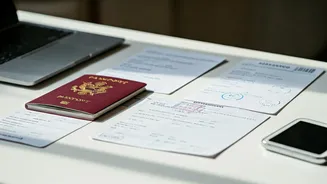
To ensure your visa process goes smoothly, planning is key. First, decide between the eVisa (if eligible) and the traditional sticker visa. Applications can be submitted up to three months before your travel date. Prepare your documents meticulously, including a valid passport, the completed application form, recent photographs with specific dimensions, proof of funds, flight and hotel bookings, and a detailed day-by-day itinerary. The standard processing time is about five to seven working days after submission at the Embassy or Consulate, but it's wise to apply well in advance, especially during peak travel seasons, to avoid any last-minute stress.