





The Problem with Paradise
For decades, the travel industry operated on a simple principle: more is better. More flights, more hotels, more tourists. But for many iconic destinations, 'more' has become a crisis. This phenomenon, known as overtourism, occurs when the sheer volume
of visitors degrades the quality of life for locals and the travel experience itself. Cities like Venice and Barcelona have implemented tourist taxes and restrictions on daily visitor numbers to cope with the overwhelming crowds that strain infrastructure, drive up housing costs, and damage fragile ecosystems and historical sites. The very things that made these places special are being eroded by their popularity, creating a travel paradox where the desire to see a place contributes to its destruction.
A New Travel Mindset
Enter Gen Z and Millennials, the generations now driving travel trends. Having grown up with a heightened awareness of climate change and social issues, their values are reshaping what it means to be a tourist. For many, sustainability is no longer a buzzword but a core principle. This extends beyond just offsetting carbon emissions from a flight. It's a holistic approach that includes supporting local economies, respecting cultural norms, and minimising environmental impact. Studies and travel reports consistently show that younger travellers are more likely to spend money with brands that have strong sustainability credentials and are actively seeking out experiences that feel authentic rather than staged for mass consumption. They are trading the checklist of 'must-see' sights for a more meaningful connection with a place and its people.
The 'Undertourism' Alternative
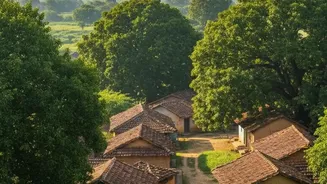
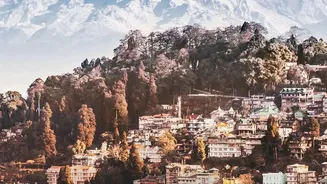
This shift in mindset is fuelling the rise of 'undertourism', or conscious travel to less-frequented destinations. Instead of joining the queue in Rome, these travellers might explore the culinary scene in Bologna. Rather than heading to the most crowded beaches in Goa, they might seek out quieter coastal villages. This trend is about discovering the 'second cities' and hidden gems that offer a glimpse into everyday life, free from the pressures of mass tourism. It's a move away from extractive travel—simply taking photos and leaving—towards regenerative travel, where visitors aim to leave a place better than they found it. Social media also plays a complex role. While it once fuelled location-tagging frenzies, it is now often used to showcase the appeal of these off-the-beaten-path locations, celebrating slow travel and unique, personal discoveries over generic landmark shots.
Can Quiet Towns Handle the Spotlight?
The move toward quieter towns seems like a perfect solution, but it comes with its own set of challenges. Small communities that suddenly find themselves on the radar of trend-focused travellers may not have the infrastructure to handle an influx of visitors, no matter how well-intentioned. A sudden demand can strain local water supplies, create waste management problems, and lead to a rise in prices that affects residents. Without careful planning and community involvement, a destination chosen for its untouched charm can quickly become a victim of its newfound popularity. The key to successful, sustainable tourism in these areas is slow, managed growth that prioritises the well-being of the local community and environment over rapid commercial gain. It requires travellers to be more than just consumers; they must be conscious guests.