





The Nature of the Movement
The most apparent difference lies in the physical action. Brisk walking is a cardiovascular, or aerobic, exercise. It involves rhythmic, repetitive movement that propels you forward, primarily engaging the muscles in your lower body. Its goal is to elevate
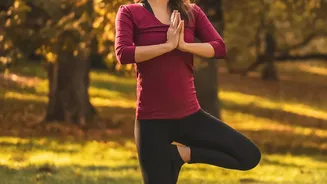
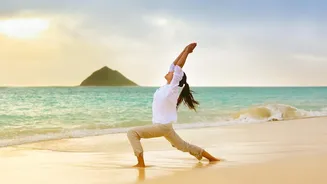
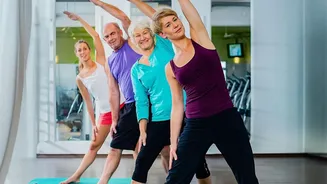
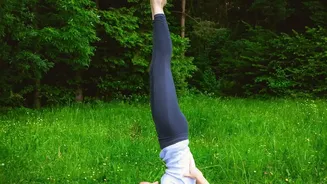
your heart rate and sustain it. Yoga, conversely, is a more holistic practice that combines physical postures (asanas), breathing techniques, and meditation. The movements can be dynamic and flowing, as in a Vinyasa class, or static and held, as in Hatha yoga. Yoga is designed to improve flexibility, balance, and whole-body strength by using your own body weight as resistance.
Cardiovascular and Caloric Impact
If your main goal is heart health or calorie burn, brisk walking generally has the edge. It's a classic aerobic workout that strengthens your heart and improves circulation. A brisk walk can burn significantly more calories in 30 minutes than a gentle yoga session. However, this doesn't mean yoga has no cardiovascular benefits. Dynamic styles like Power Yoga or Vinyasa can certainly raise your heart rate. Furthermore, some studies suggest that yoga's stress-reducing effects contribute to a lower risk of heart disease, with some research indicating it can be as effective as brisk walking in reducing risk factors like high blood pressure and cholesterol.
The Direction of Your Attention
This is where the two practices diverge significantly. During a brisk walk, your attention is often directed outward. You might listen to music, a podcast, or simply observe your surroundings. It can be a time for your mind to wander, process thoughts, or even feel like a mental reset. Yoga, on the other hand, demands inward attention, or 'interoception'. The practice guides you to focus on the subtleties of your breath, the sensations in your muscles and joints, and maintaining proper alignment. This mindful focus is key to yoga's well-known stress-reducing benefits, as it helps calm the nervous system and quiet mental chatter.
Strength, Flexibility, and Balance
For building flexibility and balance, yoga is the clear winner. The practice is built around moving the body through a full range of motion, stretching muscles and improving joint mobility. Holding poses builds muscular endurance and functional strength throughout the entire body. Walking is excellent for lower-body strength and bone density but does little for upper-body strength or overall flexibility. This is why yoga is often recommended for improving posture and preventing stiffness associated with aging.
Accessibility and Equipment
Both activities are highly accessible, but in different ways. Walking requires nothing more than a comfortable pair of shoes and can be done almost anywhere, anytime. It's easy to fit into a busy schedule, even in short bursts. Yoga is also convenient and can be practiced at home with just a mat, but it often benefits from guidance, especially for beginners, which might mean attending a class or following a video. While a typical yoga session may last between 30 to 90 minutes, walking can be beneficial even in shorter 10-minute intervals.