





The Pre-Pack Purge
Before a single bag touches the car, the most crucial step is the one that happens inside. The smartest packing begins with a ruthless edit. For a weekend trip, challenge each person to lay out their intended items and then cut them by a third. It sounds
drastic, but most people overpack. Encourage a coordinated colour palette for clothes, allowing for mix-and-match outfits that reduce the number of individual garments needed. This isn't about deprivation; it's about being strategic. The less you bring, the easier the entire process becomes, transforming the boot from a source of conflict into a simple loading zone.
Swap Hard Shells for Soft Bags
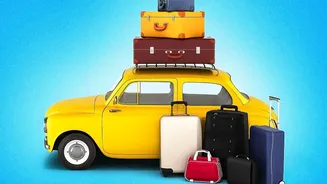
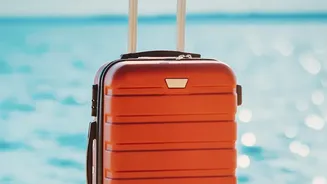
Hard-shell suitcases are the enemy of a tightly packed hatchback. Their rigid shapes create dead space and refuse to conform to the awkward nooks and crannies of a small boot. Instead, the friends' secret weapon was a collection of soft duffel bags, holdalls, and even sturdy tote bags. These flexible containers can be squeezed, moulded, and adjusted to fit into tight corners and stacked more efficiently. This simple switch is often the difference between a trunk that closes with ease and one that requires someone to sit on it.
Master the Art of 'Luggage Tetris'
Packing a car boot is a game of spatial logic, much like the classic video game Tetris. The fundamental rule is to place the largest, heaviest items in first, pushed as far back against the rear seats as possible. This creates a stable base and keeps the car’s centre of gravity balanced. From there, build layers, working your way up. As the friends loaded their hatchback, they placed the biggest duffel bags at the bottom, creating a flat foundation. Subsequent, smaller bags were then layered on top, filling the space methodically rather than just throwing them in. It’s a puzzle where every piece needs to fit snugly against the others.
Fill Every Available Gap
Once the main bags are in, the job is only halfway done. The key to truly maximizing space is to utilize all the small, empty pockets of air. This is where loose, soft items come into play. Jackets, blankets, or small tote bags can be used to plug the gaps between larger suitcases. Think of it as the trunk's insulation. The friends used their beach towels and spare jumpers to cushion everything, preventing items from shifting during the drive and making use of every last cubic centimetre. Even the space inside shoes can be used to store socks or other small items.
Use Compression and Packing Cubes
To take their space-saving to the next level, the group relied heavily on packing aids. Compression bags are a game-changer, especially for bulky items like sweatshirts or towels. These bags allow you to remove excess air, shrinking the volume of clothing significantly. Packing cubes also play a vital role. While they don't always compress, they organize clothes into dense, manageable blocks. This prevents a duffel bag from becoming a chaotic mess and allows the 'Tetris' strategy to work more effectively, as you're dealing with firm, predictable shapes instead of a lumpy, shifting bag.
The 'In-Car' Essentials Bag
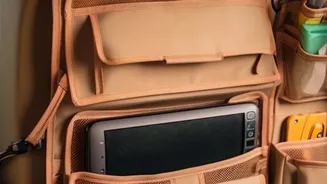
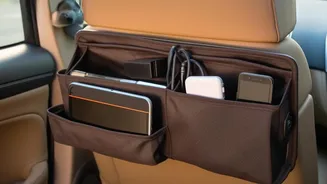
Not everything should go in the boot. To avoid dangerous or frustrating roadside unpacking, it's crucial to designate one bag for in-car essentials. This bag should stay in the passenger cabin, easily accessible. For the four friends, this bag contained snacks, water, phone chargers, a first-aid kit, and wet wipes. By keeping these items separate, they ensured they wouldn't have to pull everything out of the perfectly packed boot just to find a bag of crisps.