



The Modern Kitchen Dilemma
In bustling Indian cities, life moves fast. For many urban professionals and busy families, the time and mental energy required for daily meal planning can be exhausting. Between long work hours, commutes, and family obligations, deciding on a menu, making
a grocery list, and preparing meals often feels like a second job. This decision fatigue is a real challenge, frequently leading to repetitive meals or an over-reliance on takeaway. More than 70 percent of young urban professionals now say they prefer home-cooked meals, but bridging the gap between that desire and the reality of a hectic schedule has been a persistent struggle. This is where technology is beginning to offer a genuine solution, moving beyond simple recipe databases into something far more intelligent.
Enter the AI-Powered Sous-Chef
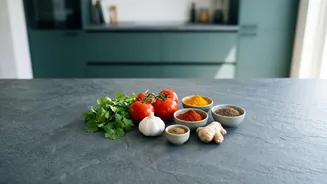
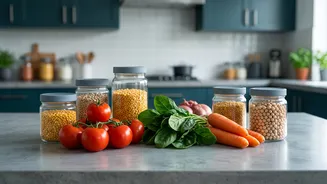
Imagine an assistant that knows exactly what's in your fridge and pantry, understands your family's dietary preferences, and can instantly suggest a recipe for the ingredients you have on hand. This is the promise of AI recipe generators and meal planners. These tools, available as apps and integrated into smart appliances, use artificial intelligence to do more than just store recipes. They analyse ingredients, learn user preferences, and provide personalized suggestions. For the Indian home cook, this means getting immediate answers to the question of what to make with the leftover paneer, half a bottle gourd, and the usual array of spices, effectively minimizing food waste and saving a last-minute trip to the store.
Tailored for the Indian Palate
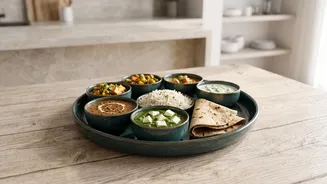
Early recipe apps were often generic, failing to grasp the nuances of Indian cooking. However, a new generation of AI tools is being built specifically for the Indian kitchen. These platforms come pre-loaded with hundreds of home-style dishes from across more than 50 regional cuisines, from Punjabi classics to South Indian staples. They understand the structure of an Indian meal—roti/rice, dal, sabzi, and accompaniments—unlike global apps that offer a single slot per meal. Furthermore, they can cater to a wide range of dietary needs, suggesting keto-friendly, low-oil, or Jain (no onion or garlic) variations of traditional dishes, making healthy and specific eating more accessible.
More Than Just Recipes
The utility of these AI tools extends beyond just suggesting dishes. Many can generate a full week's meal plan based on your preferences, such as having non-vegetarian meals three times a week or keeping dinners light. Once the plan is set, the app can automatically create a categorized grocery list, streamlining the weekly shop. Some advanced smart cooking assistants can even automate complex tasks like stirring, monitoring temperatures for dishes like biryani, and adjusting cooking times, ensuring consistency and perfection with minimal effort. This automation of repetitive tasks frees up home cooks to focus on the more creative aspects of cooking.
A Tool, Not a Replacement
While AI offers remarkable convenience, it's not here to replace the human touch that defines home cooking. Experienced chefs note that AI is a powerful tool for inspiration and efficiency, but it lacks the emotion, memory, and intuition that come from lived experience. An AI can suggest a recipe, but it can't replicate the feeling of a family recipe passed down through generations or the instinctive pinch of spice a cook adds by feel. The technology is at its best when it acts as an assistant, handling the logistical burdens of meal planning and prep, while the cook remains the heart of the kitchen. The final 'tempering' or 'tadka', both literally and figuratively, still requires a human hand.