

Munnar, Kerala: Emerald Hills in the Mist
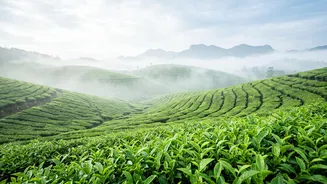
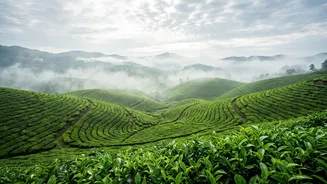
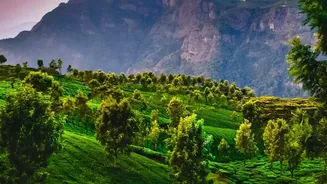
During the dry season, Munnar’s tea gardens are a pleasant green. But the monsoon turns them into a spectacle of impossible vibrance. The rain washes over the tea bushes, leaving behind a saturated, deep emerald that seems to glow even under overcast
skies. The real magic for photographers, however, is the mist. Low-hanging clouds and dense fog drift through the valleys, wrapping around the hills and creating a soft, ethereal light. This diffuse light eliminates harsh shadows, making it perfect for capturing the layered slopes and the textures of wet leaves. Waterfalls that are mere trickles in summer become powerful cascades, adding another dynamic element to the landscape.
Udaipur, Rajasthan: The City of Reflecting Lakes
Known as the 'City of Lakes', Udaipur's charm multiplies during the monsoon. The arid Aravalli hills surrounding the city turn a surprising shade of green, providing a lush backdrop to the marble palaces. The depleted lakes, like Pichola and Fateh Sagar, fill to the brim, their calm surfaces creating perfect, mirror-like reflections of the City Palace and Jag Mandir. For photographers, the post-shower 'golden hour' is invaluable. The wet stone of the ghats and palace courtyards gleams, and the sky puts on a dramatic show of dark clouds breaking to reveal spectacular sunsets. Even the Sajjangarh Monsoon Palace, built specifically to watch the clouds roll in, becomes the ultimate vantage point for panoramic shots of the rain-washed city.
Hampi, Karnataka: Ancient Stones, Fresh Green
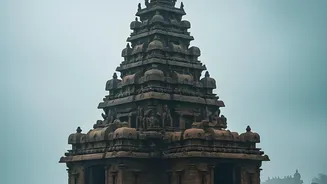
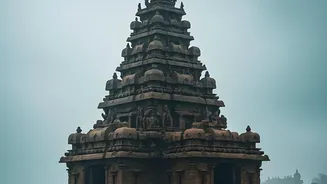
Hampi is typically imagined as a sun-baked landscape of ochre boulders and ancient ruins. The monsoon offers a stunning counter-narrative. The rains wash the granite boulders, turning them a dark, dramatic grey, and the earth between them sprouts a carpet of vivid green. This contrast between ancient, unyielding stone and fresh, temporary life is a powerful visual theme. The Tungabhadra river swells, adding a dynamic energy to the scene. With fewer tourists, photographers can capture the solitude of the monuments. Puddles on Hemakuta Hill create natural mirrors, reflecting the majestic gopuram of Virupaksha Temple against a backdrop of brooding monsoon clouds, offering a composition that simply doesn't exist in the dry season.
Valley of Flowers, Uttarakhand: A Himalayan Meadow in Full Bloom
This UNESCO World Heritage Site is a destination that exists because of the monsoon. While inaccessible for most of the year, from July to September it transforms into a breathtaking carpet of alpine flowers. The rains trigger the bloom of over 500 species, including the elusive blue poppy, primulas, and orchids, creating a natural kaleidoscope of colour against snow-capped peaks. For photographers, this is a paradise of macro and landscape opportunities. The mist that rolls through the valley adds a layer of mystery and depth to wide shots, while raindrops clinging to delicate petals offer infinite close-up subjects. It’s a fleeting spectacle, a landscape painted by the rains for just a few months each year.
Goa: From Crowded Beaches to Wild Coastlines
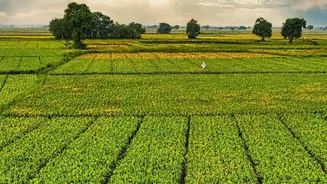
Monsoon Goa is a world away from its popular winter persona. The bustling beaches become deserted, offering moody, atmospheric shots of the wild Arabian Sea under dramatic grey skies. The photographic focus shifts from the coast to the hinterlands. The countryside erupts in lush greenery, with paddy fields turning a vibrant green. The real stars are the waterfalls, particularly Dudhsagar Falls, which becomes a thundering spectacle at its full, majestic power during the rains. The narrow, colourful lanes of Fontainhas, Panaji's Latin Quarter, take on a different charm. The wet, glossy streets reflect the vibrant buildings, creating rich, saturated images that feel more like a quiet European town than a bustling tourist hub.