
The Magic of the Post-Monsoon Season
The period from September to November is often considered a sweet spot for visiting Sohra. The heavy monsoon rains have supercharged the region's famous waterfalls, meaning you'll see them in their full, thunderous glory. Unlike the peak monsoon, however,
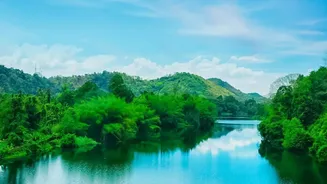
the skies begin to clear, and the torrential downpours are replaced by pleasant weather, making it ideal for trekking and sightseeing. The landscape remains exceptionally lush and green from the recent rains, and the rivers, while still full, start to run clear. This season offers the best of both worlds: the dramatic spectacle of the monsoon with the accessibility and comfort of the drier months ahead.
Chasing Sohra's Legendary Waterfalls
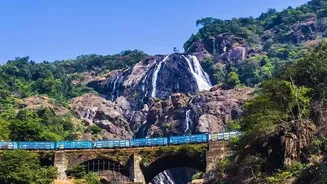
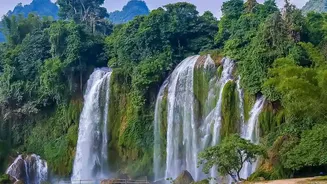
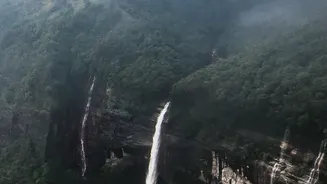
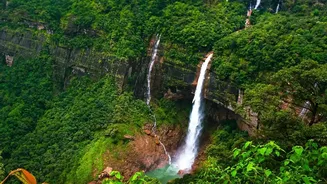
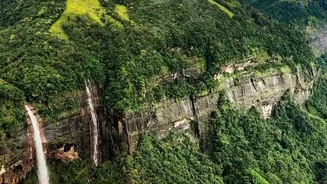
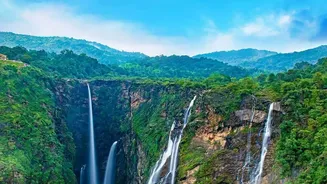
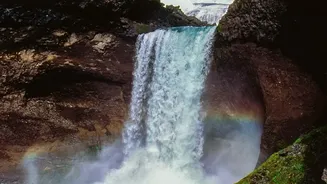
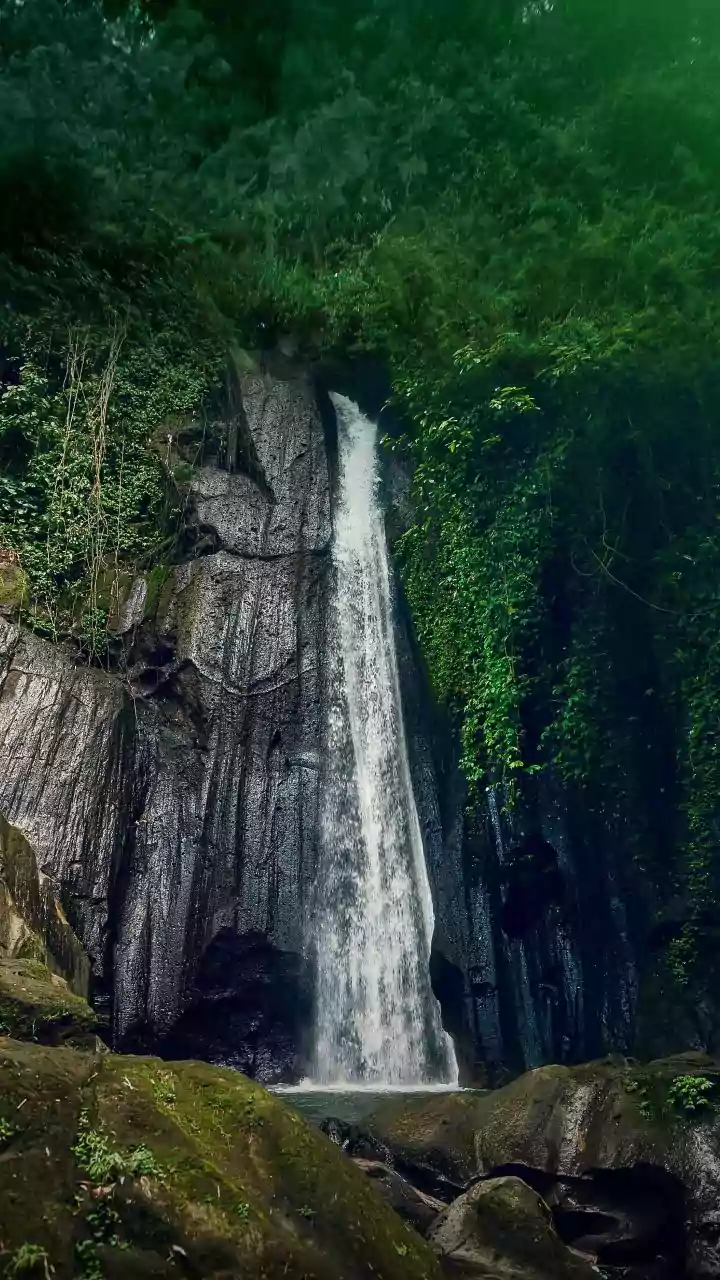
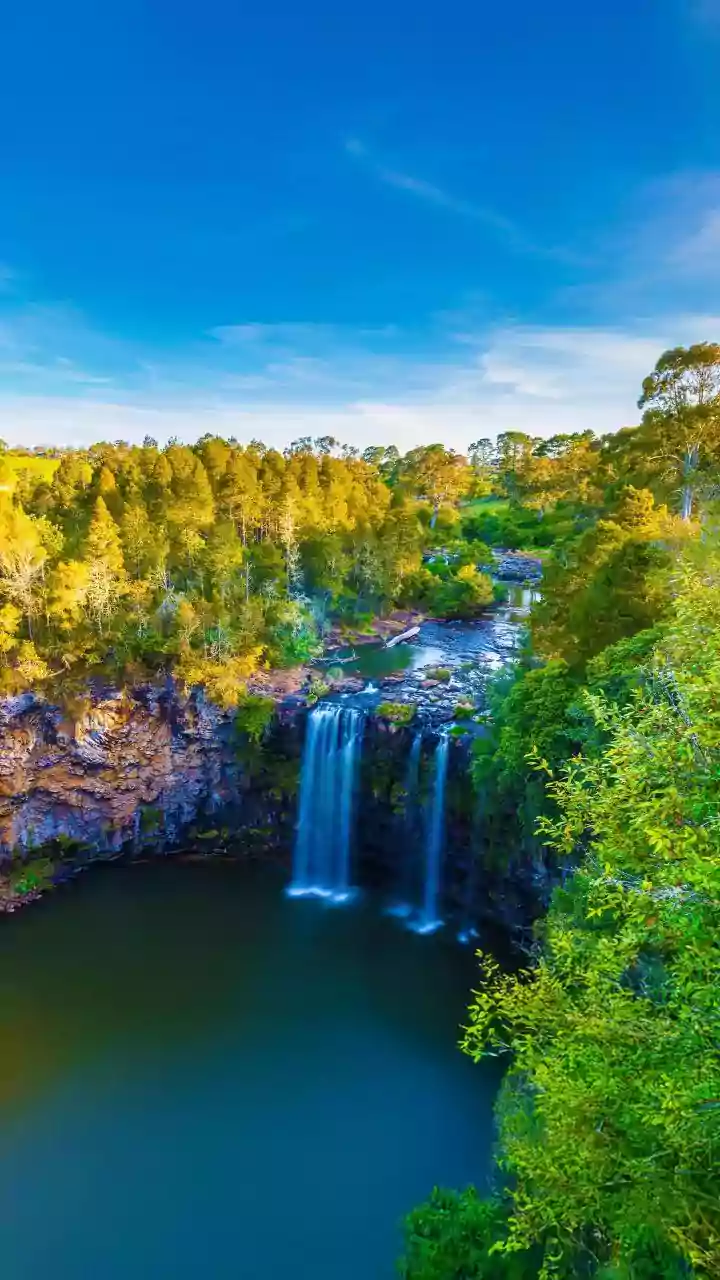
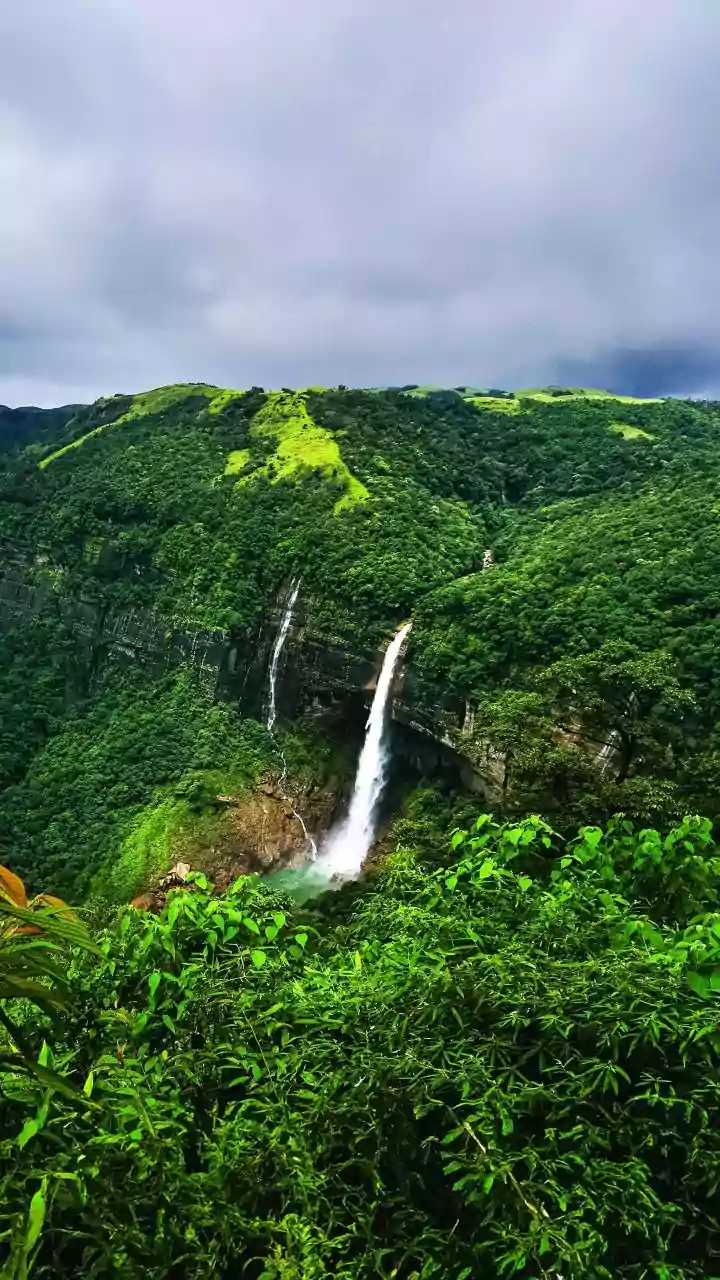
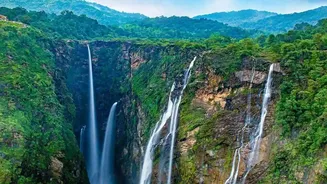
Sohra is a land of waterfalls, each with its own character. The post-monsoon season is the perfect time to witness their power. Nohkalikai Falls, India's tallest plunge waterfall, is an unmissable sight, cascading from a height of over 340 metres into a stunning turquoise pool. Another must-see is the Seven Sisters Falls, or Nohsngithiang Falls, where seven distinct streams tumble down limestone cliffs, often merging into a single, breathtaking curtain of water after heavy rains. For a more offbeat experience, head to Dainthlen Falls, a place steeped in Khasi legend about a giant serpent. The unique rock formations here are believed to be the result of the epic battle. A short but steep trek can also take you to the three-tiered wonder of Wei Sawdong Falls, a truly rewarding sight for the adventurous.
The Living Root Bridges: A Marvel of Nature and Man
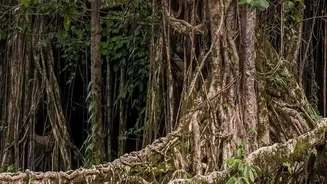
No trip to this part of Meghalaya is complete without seeing the incredible living root bridges, a testament to the ingenuity of the local Khasi tribes. The most famous of these is the Double-Decker Living Root Bridge in Nongriat village. Reaching it requires a challenging but rewarding trek, involving a descent of approximately 3,500 steps. The journey takes you through dense forests and across swaying suspension bridges before you arrive at the magnificent two-tiered bridge. It is a physically demanding trek, so be prepared for a strenuous climb back up. For those seeking a less strenuous option, the Riwai Living Root Bridge near Mawlynnong is much more accessible. The post-monsoon period offers safer trail conditions, as the paths are less slippery than during the peak rainy season.
Beyond the Falls: Caves and Viewpoints
To round out your Sohra experience, venture underground into the Mawsmai Cave. This well-lit limestone cave is one of the most accessible in Meghalaya, allowing visitors to explore its stunning stalactite and stalagmite formations without needing any special equipment. The cave system is a fascinating journey through natural history, with some passages narrow enough to require a bit of squeezing and crawling, adding to the adventure. For panoramic views, head to Eco Park, where on a clear day, you can see across the rolling hills all the way to the plains of Bangladesh.
Essential Tips for Your Autumn Trip
To make the most of your pre-winter getaway, a little planning goes a long way. Hiring a local taxi for sightseeing is the most convenient way to get around Sohra. For the trek to the living root bridges, start early to avoid the midday humidity and crowds. Pack layers of clothing, including a light waterproof jacket for unexpected showers, and most importantly, sturdy shoes with good grip for trekking on slippery trails. While winter gets colder, autumn temperatures are generally pleasant, ranging from 12°C to 22°C. Remember to book your accommodation in advance, especially if travelling during a popular period.