







The 'Healthy' Halo Effect
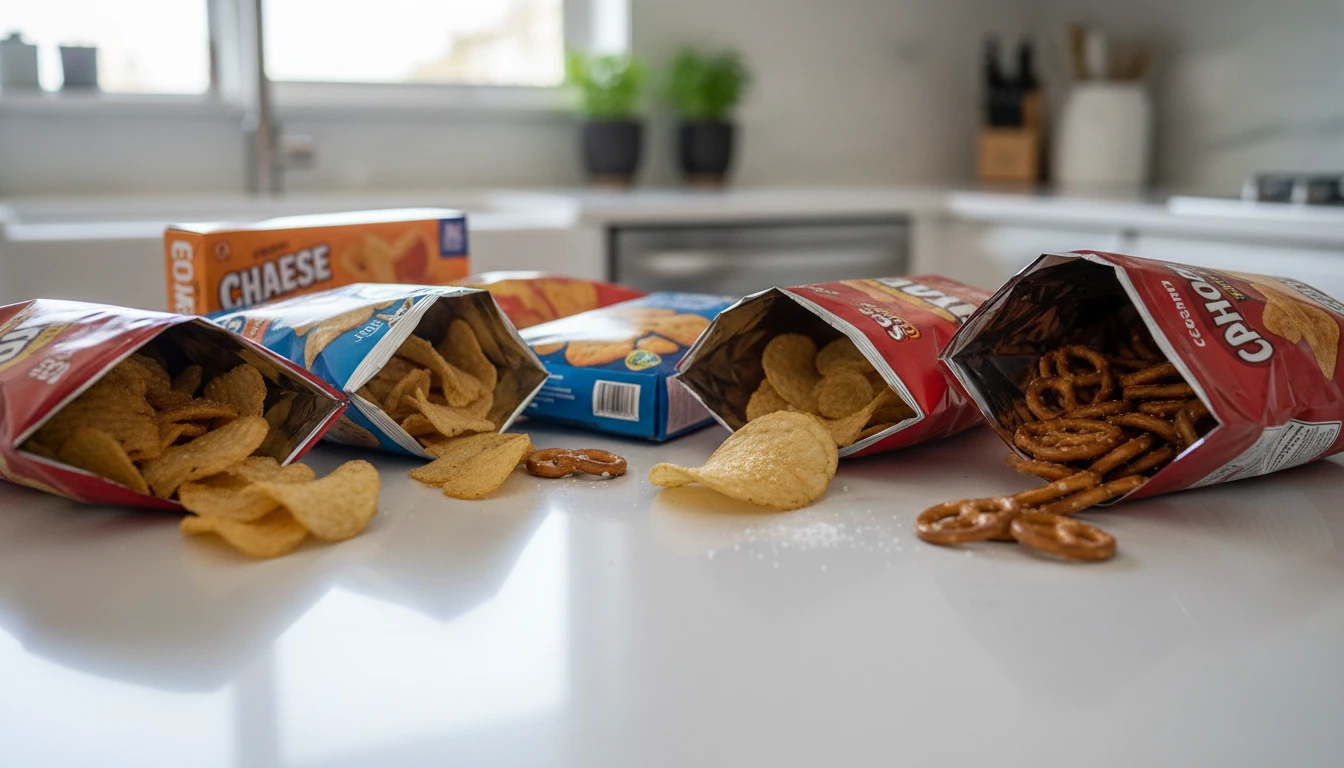
The primary reason baked chips feel like a safe bet is a psychological phenomenon called the 'health halo' effect. Marketing buzzwords like 'baked', 'low-fat', or 'gluten-free' create a perception of overall healthfulness. When we see 'baked' on a package,
our brains often stop looking for other nutritional red flags. This halo can mislead us into thinking we've made a superior choice, regardless of the product's actual nutritional content. This perception encourages us to eat more, believing it's acceptable because the snack is 'healthier'. The reality is, many of these snacks are ultra-processed foods designed for maximum palatability, not to keep you full.
A Calorie and Fat Comparison
So, how much better are they really? The calorie difference between baked and fried chips is often smaller than consumers expect. An ounce of baked chips might contain around 131 calories, while the same serving of regular fried chips has about 153 calories. While that is a reduction, it's not a dramatic one. The fat content shows a more significant drop, with baked versions containing about 50% less fat. However, this isn't the whole story. To compensate for the lack of flavour and texture from frying, manufacturers often add more processed ingredients, including cornstarch and sugar. As a result, baked chips can sometimes contain more carbohydrates than their fried counterparts.
The Sodium and Carb Conundrum
Fat loss isn't just about calories; it's about hormonal balance and satiety. This is where baked chips can really trip you up. To make up for the reduced fat, manufacturers often increase the sodium content to enhance flavour. Some baked chips contain significantly more sodium than fried versions. High sodium intake can lead to water retention, making you feel bloated and masking true fat loss on the scale. Furthermore, the ingredients often used, like dried potatoes and cornstarch, are refined carbohydrates. These types of carbs are digested quickly, leading to rapid spikes and subsequent crashes in blood sugar. This blood sugar rollercoaster can increase hunger and cravings, prompting you to eat more later.
The Mindless Munching Trap
Perhaps the biggest danger of the health halo is its effect on portion control. Because you perceive the snack as virtuous, you're less likely to monitor how much you're eating. A single serving of about 15 chips can quickly turn into half a bag. This 'permission' to overindulge can easily lead you to consume more calories than if you had just eaten a small, controlled portion of the 'unhealthy' snack you were truly craving. These snacks are specifically designed to not be very filling, which encourages overconsumption without providing a feeling of fullness. Ultimately, mindless munching on a large bag of baked chips can deliver a hefty dose of calories, sodium, and refined carbs, directly working against your weight management goals.
Making Genuinely Smarter Choices
If baked chips aren't the answer, what is? For a truly smart snack that supports fat loss, focus on whole foods that provide fibre and protein. These nutrients promote satiety, keeping you fuller for longer and helping to control your overall calorie intake. Think about snacks like a handful of almonds, Greek yoghurt with berries, an apple with peanut butter, or roasted chickpeas. Even snacks like lightly salted popcorn can be a lower-calorie alternative that provides some fibre. When a craving for something crunchy and salty hits, reading the nutrition label is your best tool. Instead of relying on front-of-package claims, check the serving size, calories, sodium, and ingredients list to make an informed decision.