



The Great Soaking Debate
For years, home cooks have been told that soaking beans and lentils is a non-negotiable first step. The primary reasons given are to reduce cooking time and to make them easier to digest. Soaking does indeed achieve these goals. It helps to soften the lentils,
which can cut cooking time significantly. From a nutritional standpoint, soaking can help neutralize anti-nutrients like phytic acid and tannins. These compounds can bind to minerals like iron, zinc, and calcium, preventing your body from absorbing them. Soaking activates enzymes that begin to break down these anti-nutrients, potentially making the lentils more nutritious and easier on the digestive system.
When to Skip the Soak
The main reason you can often skip soaking is that many common lentils cook very quickly anyway. Red, yellow, and other split lentils are the prime candidates for skipping the soak. These lentils have had their outer hulls removed and are split in half, which drastically reduces their cooking time to as little as 15-20 minutes. In fact, soaking these varieties can be counterproductive. Because they break down so easily, a pre-soak can cause them to turn into complete mush almost instantly upon hitting the hot water. Their tendency to dissolve is actually a desirable trait for thickening soups, stews, and Indian dals, creating a rich, creamy consistency. For these types, a simple rinse under cold water to remove any dust or debris is all that's needed before cooking.
When a Soak Can Be Helpful
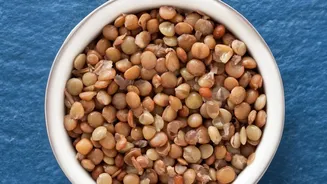
Larger, whole lentils with their skins intact are the ones that can benefit most from soaking. This includes brown, green, and French Puy lentils. While not strictly necessary, soaking these heartier varieties can reduce their cooking time by about half, from around 40-45 minutes down to 20-25 minutes. This can be a welcome time-saver on a busy weeknight. Soaking also helps them cook more evenly, ensuring a tender, pleasant texture rather than one that's firm in some spots and mushy in others. If you're particularly sensitive to the digestive effects of legumes, soaking may help reduce bloating and gas by breaking down some of the complex sugars that can cause discomfort.
A Simple Guide by Lentil Type
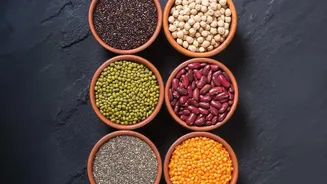
To make it easy, here’s a quick reference guide: Red and Yellow Lentils: Do not soak. They are split and cook in about 15-20 minutes, breaking down into a creamy puree ideal for soups and dals. Brown and Green Lentils: Soaking is optional but recommended. It reduces cooking time from 35-45 minutes to around 20-25 minutes and promotes even cooking. These are versatile and hold their shape well, making them great for salads, stews, and side dishes. French (Puy) Lentils: Soaking is optional. These small, dark green lentils have a peppery flavour and hold their shape exceptionally well. Soaking can trim their 25-30 minute cooking time. They are excellent for salads where a firm texture is desired. Black (Beluga) Lentils: Soaking is not necessary. These tiny, caviar-like lentils cook in about 20-25 minutes and hold their shape beautifully, making them a dramatic and delicious addition to salads and side dishes.