


1. Master the Food Puzzle
Why feed your cat from a bowl when you can make them work for it? Cats are natural-born hunters, hardwired to seek, stalk, and capture their food. A simple bowl of kibble removes this entire behavioural sequence. Food puzzles and puzzle feeders reintroduce
that challenge. They come in all shapes and sizes, from simple balls that dispense treats when rolled, to complex boards with sliders and compartments. By making your cat nudge, paw, and think to get their meal, you’re not just feeding their stomach; you’re feeding their brain. This simple switch can prevent overeating, reduce anxiety, and provide a satisfying 'hunt' multiple times a day. You can even start with a DIY version by cutting holes in a small cardboard box or plastic bottle (ensure edges are smooth) and filling it with dry food.
2. Conquer the Vertical World
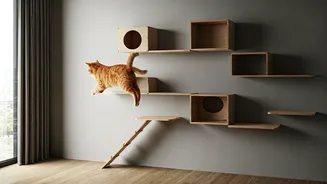
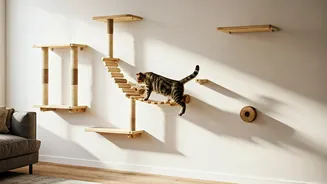
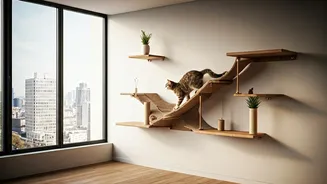
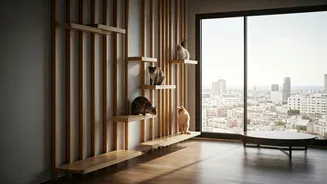
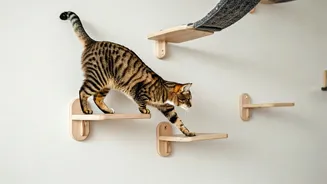
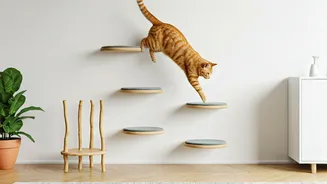
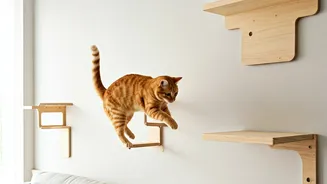
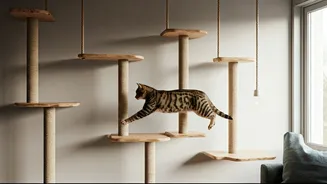
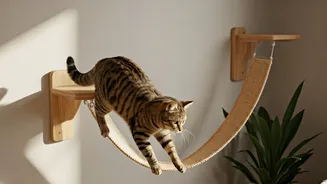
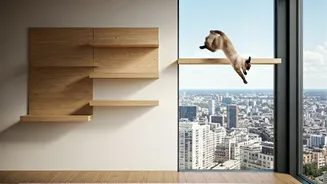
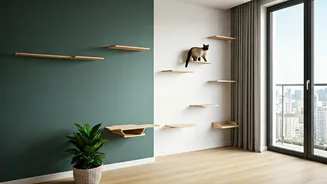
In the wild, vertical space means safety and a strategic advantage. Cats climb trees to survey their territory, escape threats, and spot prey. Your home should offer the same opportunities. A tall cat tree with multiple perches, platforms, and scratching surfaces is the gold standard. Place it near a window for bonus entertainment. If space is an issue, consider wall-mounted shelves or perches. Arranging them like a staircase allows your cat to navigate the room without touching the floor. This 'cat highway' gives them a sense of control and ownership over their environment. It also provides an excellent outlet for their natural urge to climb and jump, stretching muscles that a life on the ground leaves underused.
3. Explore the Mystery Box Fort
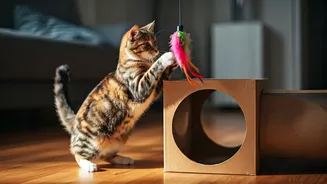
The internet’s love for cats in boxes is rooted in genuine feline instinct. Small, enclosed spaces make cats feel secure, mimicking the dens their wild ancestors would use to hide from predators or ambush prey. You can turn this simple love for boxes into a rotating challenge. Don't just leave one box out; create a fort. Connect a few cardboard boxes of different sizes, cutting doors and windows between them. Toss a crinkly toy or a pinch of catnip inside to encourage exploration. Rearrange the fort every few days to keep it novel and interesting. This cheap, simple form of enrichment provides a safe space, a sensory experience (the smell and texture of cardboard), and an ever-changing landscape to explore.
4. Follow the Scent Trail
While we are primarily visual, a cat's world is dominated by scent. Their sense of smell is about 14 times stronger than ours. You can turn this superpower into a fun game. Instead of just handing over a treat, create a scent trail. Rub a high-value, smelly treat (like a piece of dried fish) on a few spots along the floor, leading around furniture and into another room where you’ve hidden the reward. At first, make the trail obvious and short. As your cat gets the hang of it, you can make it longer and more complex. This game is incredibly stimulating, costs nothing, and allows your cat to use one of its most powerful and underutilised natural tools. It's the domestic equivalent of tracking prey through the wilderness.
5. Perfect the 'Catch and Kill' Sequence
Waving a feather wand aimlessly is fun, but you can elevate it into a deeply satisfying challenge by mimicking a real hunt. Use the toy like it's a bird or a mouse. Let it flutter into view, hide behind a cushion, skitter across the floor, and then freeze. This triggers your cat’s stalk-and-chase instinct. The key is to let them *win*. After a few minutes of energetic play, let your cat make a final pounce and ‘capture’ the toy. Allowing them this finality completes the prey sequence (stalk, chase, pounce, kill), which is incredibly satisfying for them. After the 'kill,' reward them with a small treat to simulate the meal they would have earned. This structured play prevents frustration and provides a powerful physical and mental release.