





A Gift from Halley's Comet
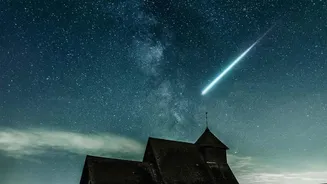
The Orionid meteor shower is one of the most famous of the year, and for good reason. The shooting stars you see are actually tiny fragments of dust and ice left behind by the most well-known comet, 1P/Halley. As Earth passes through this stream of cometary
debris each October, these particles burn up in our atmosphere at tremendous speeds, creating fast, bright streaks of light. They are called the Orionids because they appear to radiate from a point near the constellation Orion, the Hunter, but you don't need to look in that specific direction to see them; they can appear anywhere in the sky. This cosmic connection makes the Orionids a direct link to a celestial visitor that only graces our skies once every 76 years.
The Bright Moon Problem of 2026
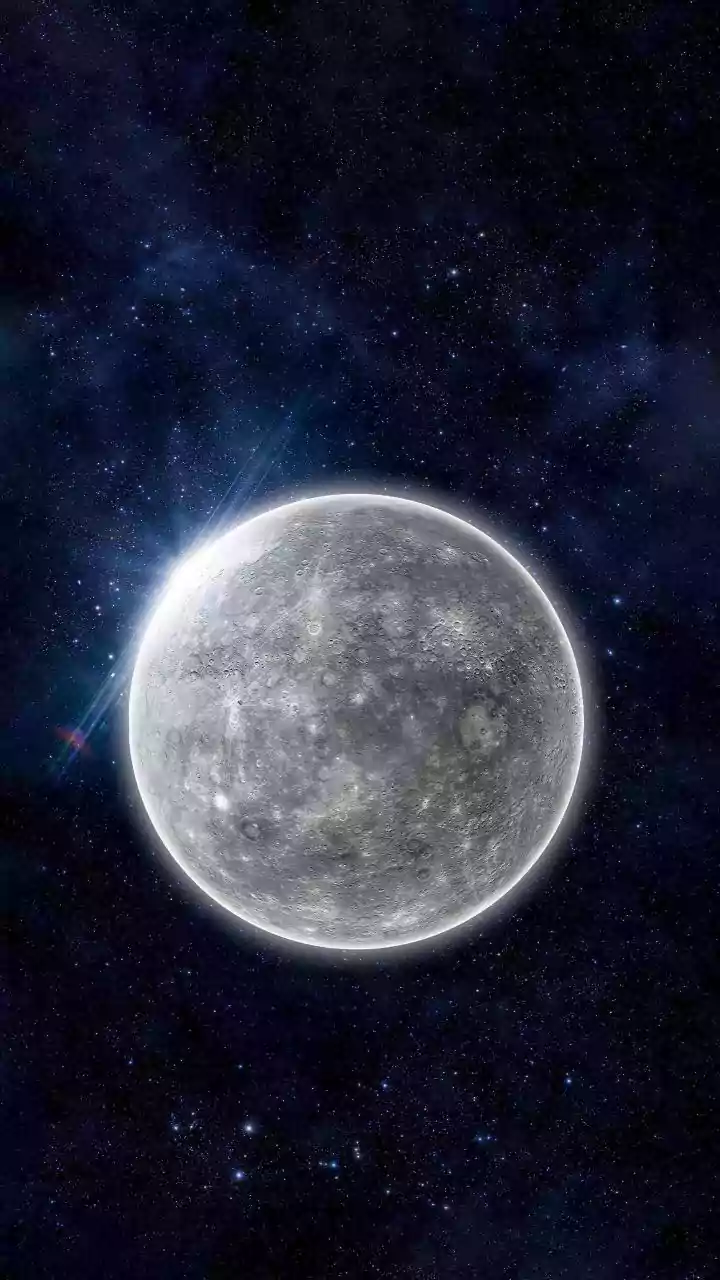
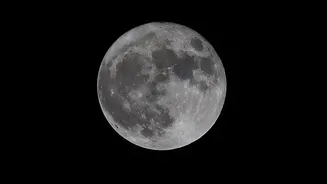
The biggest hurdle for viewing the 2026 Orionids is the Moon. The shower is predicted to peak on the night of October 21-22. Unfortunately, this coincides with a waxing gibbous Moon, which will be about 80% illuminated. A bright Moon acts like natural light pollution, washing out the sky and making it impossible to see the fainter meteors. Under ideal, dark-sky conditions, the Orionids can produce about 15 to 20 meteors per hour, but the bright moonlight will significantly reduce that number. This means only the brightest meteors, often called fireballs, will likely be visible, making patience a key requirement for anyone hoping to catch a glimpse.
Timing Is Everything: The Pre-Dawn Window
While the Moon poses a significant challenge, there is a window of opportunity. On the peak nights of October 21 and 22, the Moon will set a few hours before dawn. This creates a short period of true darkness, which is your best bet for seeing the meteors. The ideal time to watch will be from roughly 3 a.m. local time until the first light of dawn begins to appear. The radiant of the shower, in the constellation Orion, will also be high in the sky during these pre-dawn hours, further increasing your chances. So, instead of staying up late, it's better to set an alarm and head out in the early morning.
How to Escape the City Glow
For city dwellers, the combined effect of streetlights and the bright Moon is a serious obstacle. To maximize your chances, you need to get as far away from city lights as possible. This doesn't necessarily mean a long trip to the countryside. Look for large parks, open grounds on the outskirts of your city, or any area with an unobstructed view of the sky that is shielded from direct lampposts and building lights. Even driving 30 minutes away from the city centre can make a noticeable difference. The goal is to find the darkest patch of sky you can. Once you're there, give your eyes at least 20-30 minutes to fully adjust to the darkness; this means putting your phone away completely, as its screen will ruin your night vision.
Your Skywatching Viewing Guide
You don't need any special equipment like telescopes or binoculars to watch a meteor shower; in fact, their narrow fields of view make them impractical. Your eyes are the best tools for the job. Comfort is key, as you'll be looking up for a while. Bring a blanket to lie on or a reclining chair. Dress in layers, as even in India, the pre-dawn hours in October can get chilly. Pack some warm tea or coffee to make the wait more enjoyable. The most important thing is to be patient. You won't see a constant stream of meteors. Instead, you'll be looking for brief, fleeting streaks of light.