






The Chutney Renaissance
For generations, chutney has been a non-negotiable part of the Indian meal, a burst of flavour meant 'to be licked'—as its name derived from 'chatna' suggests. But in recent years, something has shifted. Driven by urbanisation, busier lifestyles, and
a growing desire for convenience, the traditional homemade condiment is being reimagined. A new wave of artisanal and gourmet brands is bottling up regional recipes and innovative flavours, transforming chutney from a background player into a premium, ready-to-eat product. This isn't just about saving time; it's about a cultural evolution where tradition meets modern convenience, creating a product that appeals to a new generation of food lovers.
Not Your Nani’s Recipe
Walk down a supermarket aisle or scroll through a gourmet food website, and you'll find an array of new-age chutney brands. Companies like Chutnefy, Urban Platter, and The Gourmet by Renuka are offering everything from instant chutney powders to preservative-free, small-batch creations. These brands are moving beyond the standard mint and tamarind, introducing flavour combinations like plum with figs, cranberry, and even spicy Schezwan. The focus is on clean labels, high-quality ingredients, and catering to specific dietary needs like vegan or Jain-friendly options. This new market is responding to a growing consumer demand for products that are both healthy and exciting, with an emphasis on natural ingredients and minimal processing.
From Side Dish to Main Character
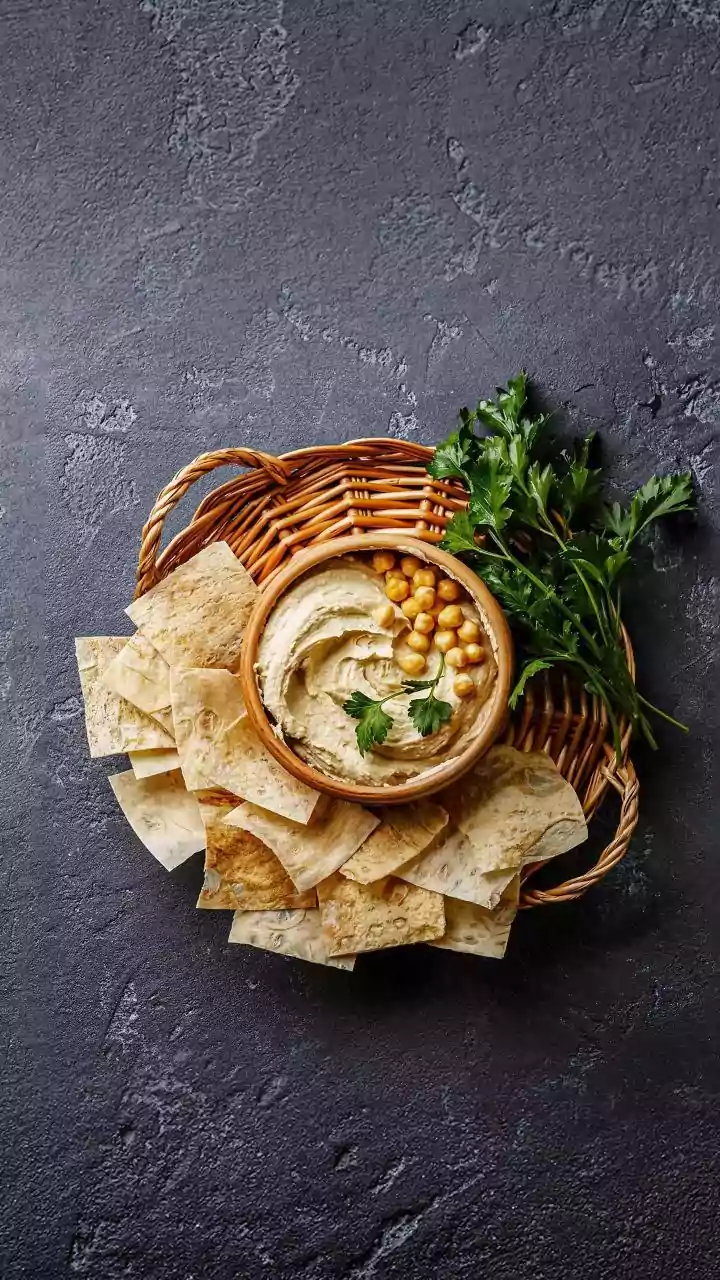
The way we use chutney is also changing dramatically. No longer confined to the thali or the breakfast plate, it has become a versatile star in modern snacking. Social media feeds and food blogs are filled with creative new uses. Think of chutney as a glaze for roasted meats and paneer, a spicy spread in a grilled cheese sandwich, a flavour-booster in pasta sauce, or a tangy dip for chips and crackers. It’s being stirred into mayonnaise to create spicy aiolis, dolloped on avocado toast, and even used to marinate everything from chicken to tofu. This new role has turned chutney into a go-to ingredient for adding a quick, flavourful punch to almost any dish, making everyday meals more exciting.
The Secret Ingredient: Convenience and Curiosity
So, why is this happening now? The primary driver is convenience. In fast-paced urban life, the time-consuming process of grinding fresh chutney from scratch is a luxury many can't afford. Packaged chutneys offer a consistent and hassle-free alternative. Furthermore, rising disposable incomes and exposure to global cuisines have made Indian consumers more adventurous. They are seeking gourmet experiences at home and are willing to experiment with new flavours. The Indian condiments market, valued at over USD 325 million in 2024, is steadily growing, reflecting this shift in consumer behaviour. Brands are tapping into this by using modern packaging and online retail to make their products widely accessible.
A Taste of Tradition, Reimagined
While this trend is about modernisation, it's also deeply connected to tradition. Many new brands pride themselves on using authentic, regional recipes passed down through generations, ensuring that the soul of the chutney remains intact. They are, in effect, preserving culinary heritage by making it relevant for a contemporary audience. This evolution ensures that the diverse and complex flavours of India's many chutneys—from a fiery Maharashtrian thecha to a sweet Bengali tomato chutney—are not lost. It’s a delicious reminder that even the most traditional foods can find a fresh, exciting place in the modern Indian kitchen, proving that chutney is far more than just a condiment; it's a story in a jar.