



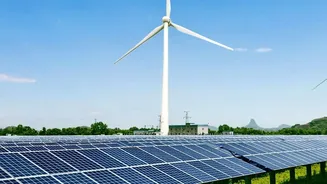


What Exactly is Solar Curtailment?
Imagine a highway so full of cars that the police have to close the on-ramps to prevent a total standstill. Solar curtailment is the energy equivalent of that. It's the intentional reduction of electricity output from a solar power plant, even when it could
be producing more. Grid operators do this when the power system cannot absorb all the electricity being generated, either because of physical limits or to ensure the stability of the entire network. It’s a last-resort measure that results in lost revenue for power producers and, more importantly, wasted clean energy.
Our Electrical Grid Is a High-Wire Act
The fundamental challenge is that an electricity grid must perfectly match supply with demand in real-time. Too much power can be just as damaging as too little. Solar power is variable—it peaks in the middle of the day and disappears at night. This creates a surplus of power during sunny afternoons, especially in solar-rich states like Rajasthan and Gujarat. If demand isn't high enough at that exact moment, and there's nowhere to send the extra electricity, operators are forced to curtail it to prevent overloading the system and causing blackouts.
Transmission Traffic Jams
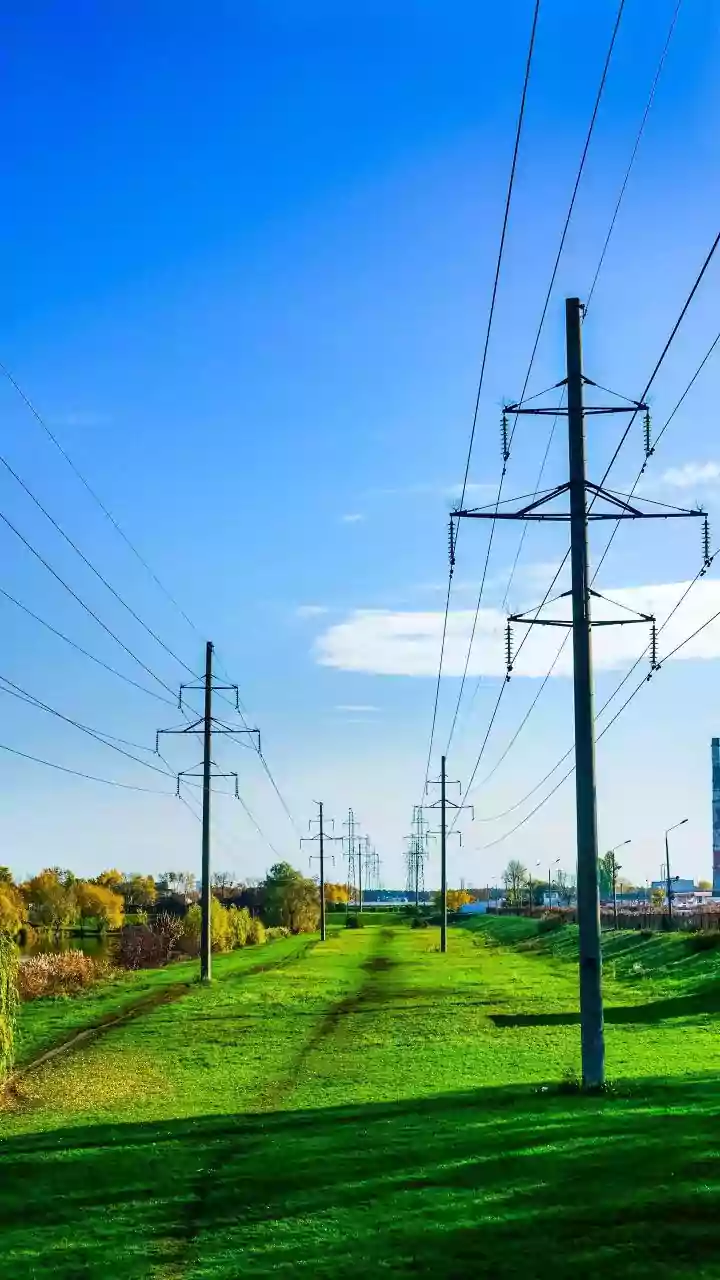
A major cause of curtailment is a mismatch between how quickly India is building solar farms and how quickly it's building the infrastructure to transport that power. Many of the country's largest solar parks are in remote, sunny regions, but the demand centres are hundreds of kilometres away in cities and industrial hubs. The transmission lines are like highways, and right now, there aren't enough lanes to carry all the solar power from where it's generated to where it's needed. This congestion forces grid operators to cap the output of solar plants. Reports from 2026 showed that transmission constraints were a primary driver of curtailment, leading to significant amounts of wasted renewable energy.
The Challenge of Inflexible Power
The grid also has to manage other sources of power, primarily coal. Coal-fired power plants are not like a light switch; they can't be turned on and off quickly. They have a minimum operational level they must maintain to run safely and efficiently. During the sunny midday hours when solar generation is at its peak, these coal plants are often still running. Because they cannot ramp down quickly enough to make room for all the incoming solar energy, the grid operator has little choice but to curtail the variable solar power to maintain balance.
What's at Stake and What's the Solution?
This isn't just a technical problem; it has real-world consequences. It represents a missed opportunity to displace fossil fuels, and the costs associated with managing the grid and compensating generators for curtailed power can indirectly get passed on to consumers. Solving curtailment is critical to India’s energy transition. The key solutions involve major investments in modernising the grid. This includes building more high-capacity interstate transmission lines to ease the traffic jams. Another crucial solution is deploying large-scale battery energy storage systems (BESS). These batteries can soak up the excess solar power generated during the day and release it during the evening peak demand hours, turning wasted energy into a valuable resource and making the grid more flexible and resilient.