



The Mighty Millet Revival
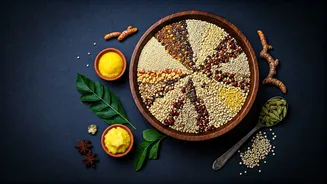
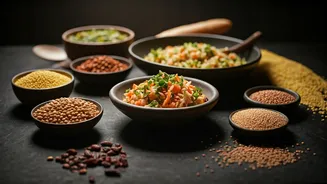
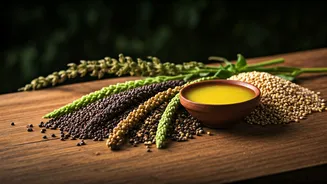
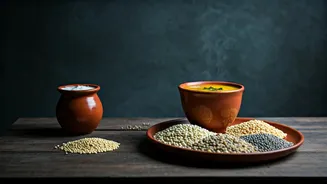
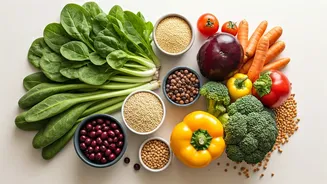
Remember when ragi, jowar, and bajra were just humble staples? Now, they're the rockstars of the nutrition world. Thanks to a major push from initiatives like the International Year of Millets, these ancient grains are making a massive comeback. They
are naturally gluten-free, packed with fibre, and have a low glycemic index, making them great for managing blood sugar. But this isn't just about health; it's a culinary revolution. Chefs and home cooks are getting creative, moving beyond rotis and porridges. You'll now find millets in everything from breakfast pancakes and upma to sophisticated salads, crunchy granola, and even pasta. This trend is a perfect blend of rediscovering our agricultural heritage and meeting the modern demand for wholesome, sustainable food.
Gut Health Goes Traditional
The global obsession with gut health has found a uniquely Indian expression. While kombucha has its fans, many are looking closer to home and rediscovering the probiotic power of traditional fermented foods. Your grandmother was right all along! The focus is shifting to homemade curd (dahi), the tangy fermented drink kanji (often made with carrots or beetroots), and traditionally made pickles. These foods are natural sources of beneficial bacteria that are crucial for digestion, immunity, and even mental well-being. The trend is less about buying expensive supplements and more about incorporating these simple, age-old practices back into our daily diets. It's a reminder that good health can start with the simplest things in our own kitchens.
Plant-Based, But Make It Indian
India has a long and rich history of vegetarianism, but the new plant-based trend is taking a modern turn. It’s no longer just about paneer and dal. A new wave of innovation is bringing plant-based alternatives to traditionally non-vegetarian dishes. Think mock-meat biryanis, plant-based keema that sizzles just right, and vegan 'butter chicken' that's surprisingly convincing. These products are aimed not just at vegans but at 'flexitarians' — people who want to reduce their meat consumption for health or environmental reasons without giving up the flavours they love. This fusion of food technology with classic Indian recipes is making plant-forward eating more accessible and exciting than ever.
Celebrating Hyper-Local Heroes
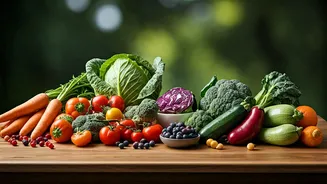
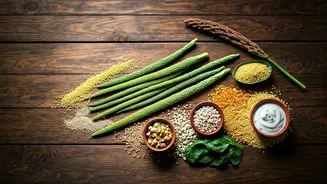
Move over, kale and quinoa. The latest trend is to celebrate the incredible biodiversity of India's own backyard. There’s a growing movement to champion hyper-local, seasonal, and often-forgotten ingredients. We're talking about everything from moringa (drumstick leaves), a powerhouse of vitamins, to jackfruit, which serves as a popular meat substitute when unripe. Chefs at high-end restaurants are foraging for local greens, while home cooks are rediscovering regional vegetables like banana flower and amaranth leaves. This trend is about more than just nutrition; it's about sustainability, supporting local farmers, and preserving culinary traditions that are unique to different parts of the country. It’s a delicious way to eat with the seasons and connect with our roots.
Smarter, Not Sugar-Free
The war on sugar has a new, more nuanced approach in India. Instead of complete elimination, the trend is about making smarter choices. Refined white sugar is increasingly being swapped out for traditional, unrefined sweeteners. Jaggery (gur) is leading the charge, praised for its mineral content and earthy flavour. Date syrup, coconut sugar, and palm jaggery are also gaining popularity as natural alternatives in everything from desserts to morning chai. The conversation is maturing beyond a simple 'sugar is bad' narrative. It’s now about understanding different types of sweeteners, practicing moderation, and appreciating the complex flavours that these natural options bring to the table. It’s a balanced approach that fits perfectly into the Indian love for all things 'meetha'.