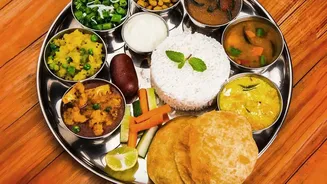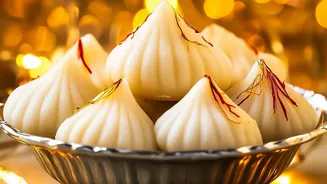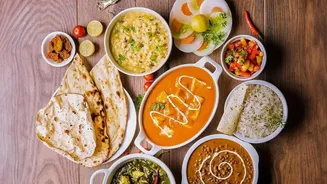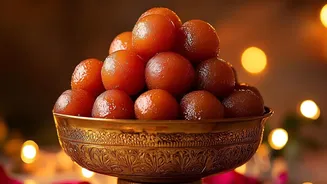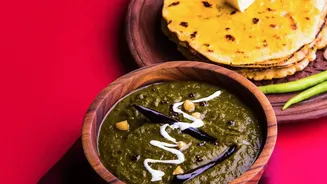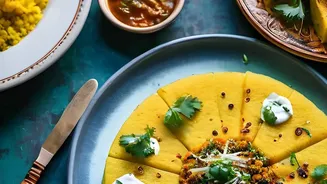

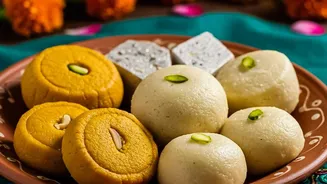

Beyond the butter chicken and biryani lies a vast culinary universe waiting to be rediscovered. A quiet but powerful movement is underway across India, bringing forgotten family recipes and unique regional dishes back into the spotlight.
More Than Just a Meal
What exactly is
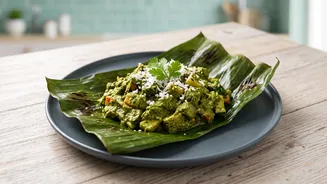
'heritage food'? It’s a tradition served on a plate. It’s about recipes passed down through generations, often verbally, and techniques rooted in a specific climate and culture. This is food that tells a story of a place, from the smoked pork and bamboo shoot dishes of Nagaland to the sun-dried and fermented traditions of Himalayan communities. The revival of these dishes is not just about nostalgia; it’s an act of preserving cultural identity. Chefs and food historians are travelling to remote villages, sitting with elders, and documenting recipes that exist only in memory, ensuring they aren’t lost to time.
The Rise of the Food Festival
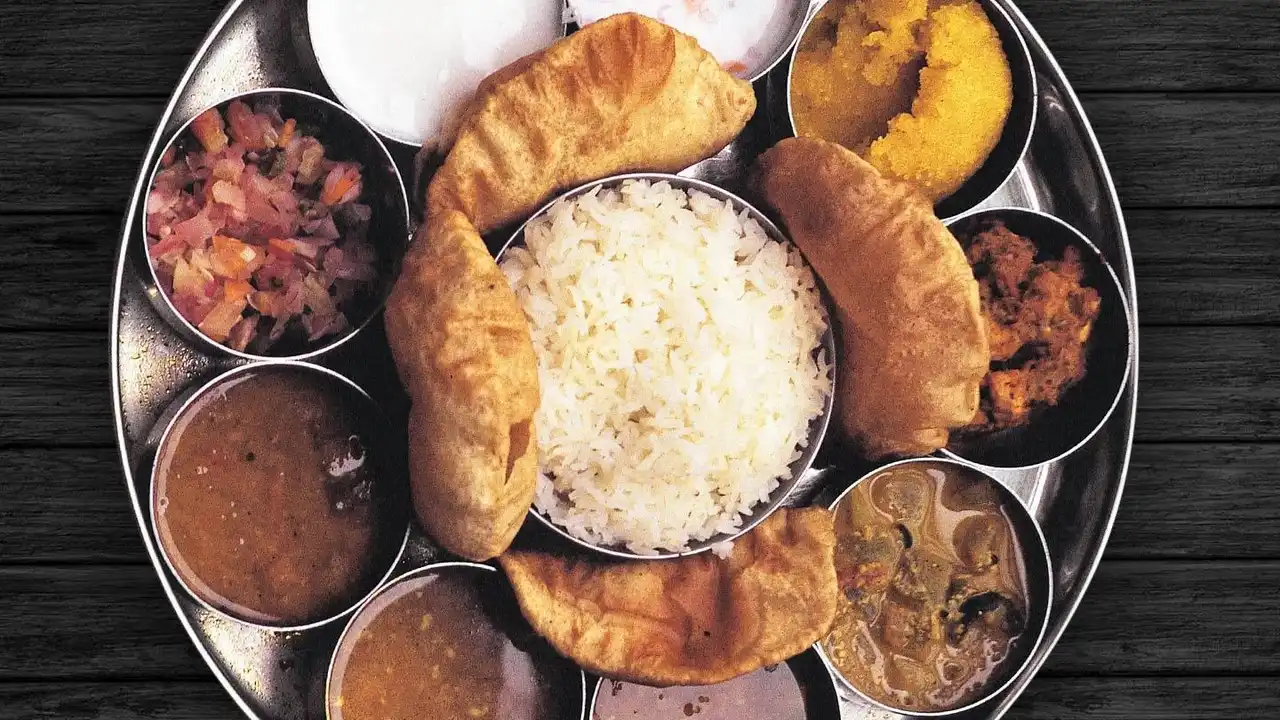
Food festivals have become crucial platforms in this culinary renaissance. Events like the National Street Food Festival in Delhi, Ahare Bangla in Kolkata, and the Goa Food and Cultural Festival bring together a stunning diversity of flavours under one roof. These gatherings are not just for professional chefs; they celebrate home cooks and street vendors who are the true custodians of these traditions. Visitors can sample everything from Lucknow's famous kebabs to rare tribal cuisines and seasonal delicacies that are often impossible to find in commercial restaurants. This creates a direct bridge between consumers hungry for authenticity and the communities working to keep their culinary heritage alive.
From Home Kitchens to Fine Dining
The trend isn't confined to festival grounds. A new generation of Indian chefs is championing regional and indigenous ingredients, moving them from home kitchens to acclaimed restaurant menus. Chefs like Prateek Sadhu with his Himalayan-forward cuisine at Naar, and Atul Kochhar, who highlights lesser-known dishes from India's northeastern states in London, are redefining what modern Indian food can be. They are proving that fine dining doesn't have to mean abandoning tradition. Instead, they are using modern techniques to elevate hyper-regional ingredients and forgotten recipes, earning global recognition and Michelin stars in the process.
A Craving for Authenticity
Why is this happening now? There appears to be a growing curiosity among diners for food that feels rooted, genuine, and tells a compelling story. In a globalised world, there's a counter-trend of looking inward and rediscovering one's own culture. Social media has also played a significant role, allowing home chefs and regional food advocates to share their stories and dishes with a wider audience, bypassing traditional media gatekeepers. This movement is a response to the homogenisation of food, celebrating the incredible biodiversity and distinct culinary pockets that make up the Indian subcontinent.