







A New Kind of Nightlife
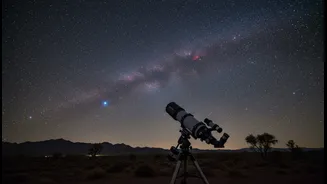
For a growing number of young urban Indians, the most exciting event on a Friday night isn't happening in a club, but several million kilometres away. Armed with a smartphone, a pair of binoculars, and boundless curiosity, they are transforming their
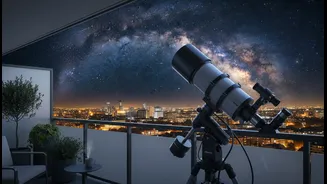
apartment balconies into personal observatories. This trend isn't just about spotting a few stars; it's a quiet revolution against the noise of city life, a search for connection in an increasingly digital world, and a rediscovery of the wonder that lies just above our heads. Spurred by everything from pandemic-era hobbies to the success of India's space missions, amateur astronomy is booming. And for city dwellers, the balcony is the launchpad.
The Urban Observatory: Making Space in the City
Why the balcony? The answer lies in the constraints and realities of modern urban living. With open fields and dark sky spots often hours away, the balcony offers the most accessible piece of the sky. It's a private, convenient space that requires no travel time or special permissions. While it seems counterintuitive in light-polluted metros, this limited view of the cosmos becomes a valued window. It’s a testament to the dedication of these enthusiasts who, despite the orange glow of the city, find ways to witness celestial events like planetary conjunctions, lunar eclipses, or the bright passage of the International Space Station. This personal patch of sky becomes a cherished sanctuary.
Technology Lowers the Barrier to Entry
This trend wouldn't be possible without a massive shift in technology. Astronomy is no longer the exclusive domain of those with expensive, bulky telescopes. Today, the most powerful tool for a budding astronomer is already in their pocket. Smartphone apps like SkyView, Star Walk 2, and Stellarium can identify constellations, planets, and satellites in real-time with augmented reality. These apps democratise the night sky, turning a confusing scatter of lights into a navigable map filled with stories and science. They send notifications for upcoming events like meteor showers or when the ISS will be visible from your location, ensuring you never miss a show.
From a Hobby to a Community
While stargazing from a balcony can be a solitary pursuit, technology also fosters a vibrant online community. Enthusiasts connect on social media and forums to share tips on navigating city light pollution, recommend budget-friendly binoculars or beginner telescopes, and post their astrophotography attempts. Astronomy clubs, once niche, are seeing a surge in popularity, with many now offering online workshops and local meet-ups. This blend of solo observation and community engagement creates a supportive ecosystem that encourages newcomers and helps them grow their passion, turning a personal hobby into a shared journey of discovery.
A Search for Wonder and Perspective
Ultimately, the turn to balcony astronomy is about more than just technology or convenience. It’s a deeply human response to the complexities of modern life. In a world of constant notifications and overwhelming information, looking up at the vast, silent expanse of space offers a profound sense of peace and perspective. Observing a meteor shower like the Perseids or Geminids, or tracking the phases of the moon, connects us to natural cycles that are ancient and immense. It’s a reminder that there is a universe of wonder beyond our screens, and sometimes, all you need to do to find it is to step outside and look up.