




The Classic Comfort: Bhutta (Corn)
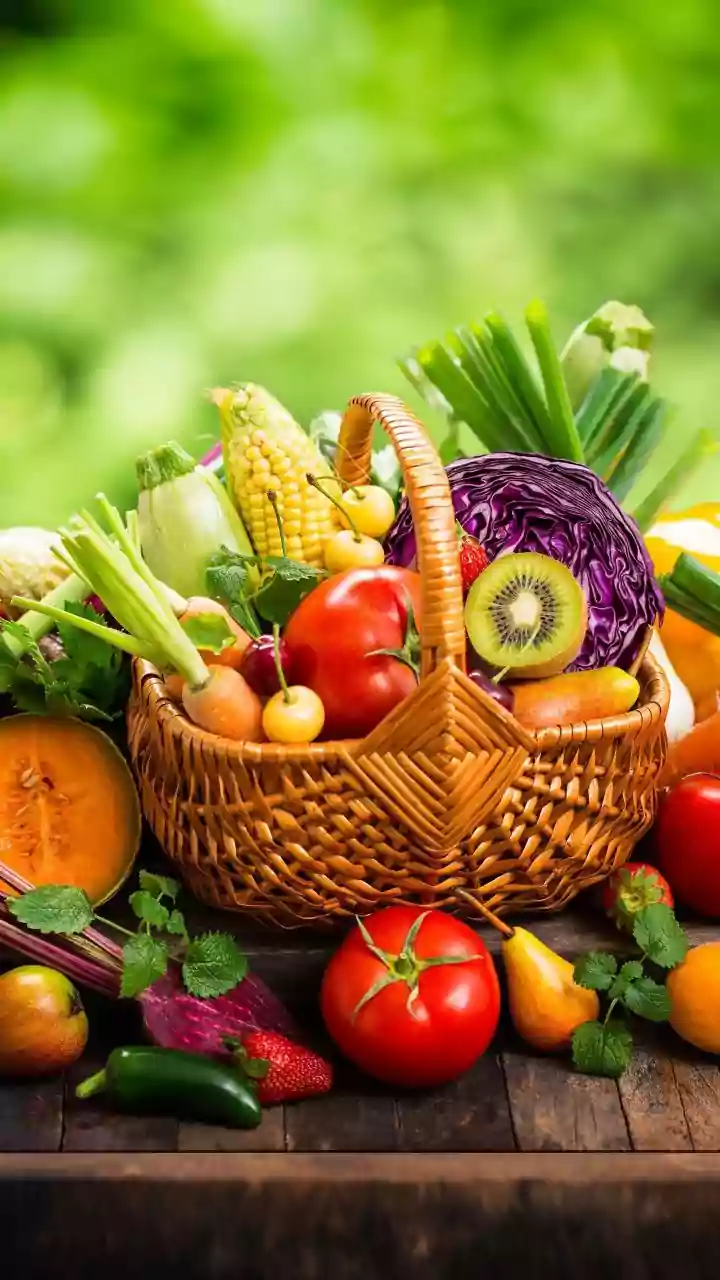
The sight and smell of roasted corn on the cob, or bhutta, is a quintessential part of the Indian monsoon. Harvested during the rainy season, corn is not just a nostalgic snack but also a nutritional powerhouse. It is an excellent source of fibre, which
aids digestion—a common concern during this season when our systems can become sluggish. Corn is also rich in antioxidants. Beyond the classic street-style preparation of roasting it on an open flame with lemon and spices, you can enjoy corn in many ways. Add boiled kernels to salads, make a warm and comforting sweet corn soup, or incorporate them into vegetable stir-fries and curries for added texture and sweetness.
The Immunity Booster: Jamun (Indian Blackberry)
This deep-purple fruit is a true monsoon speciality. Jamun is celebrated for its numerous health benefits, making it a perfect addition to your rainy-day diet. It is loaded with Vitamin C and iron, which are crucial for strengthening the immune system and helping the body fight off common seasonal infections. Jamun also supports healthy digestion and can help with stomach issues that are prevalent during this time. Enjoy this tart and sweet fruit on its own, or add it to a bowl of yoghurt. You can also juice it for a refreshing and healthy drink.
The Digestive Aids: Lauki and Turai (Gourds)
Traditional Indian wisdom has long praised the benefits of gourds during the monsoon. Vegetables like bottle gourd (lauki) and ridge gourd (turai) are harvested extensively in this season and are known for being light and easy to digest. Their high water content helps in keeping the body hydrated, while their fibre promotes good gut health. These vegetables are incredibly versatile in the kitchen. They readily absorb the flavours of spices, making them ideal for simple, flavourful curries that aren't heavy on the stomach. You can also use them to make comforting soups or a cooling raita.
The Power Duo: Ginger and Turmeric
While available year-round, fresh ginger and turmeric are particularly beneficial during the damp, cool weather of the monsoon. Both are famed for their potent anti-inflammatory properties. Ginger is excellent for digestion, soothing an upset stomach, and relieving a sore throat. Turmeric contains curcumin, a powerful antioxidant that helps strengthen the immune system. Incorporating this power duo into your daily routine is easy. Add grated ginger to your morning chai, brew herbal teas with both, or use them as the flavour base for dals, sabzis, and soups to keep you warm and healthy.
The Ruby Jewels: Pomegranate (Anaar)
Pomegranates are another excellent fruit to include in your diet as the monsoon progresses. These vibrant red seeds are packed with powerful antioxidants and are an impressive source of Vitamin C, which supports the body's natural defences against infection. Including pomegranate in your diet can help reduce inflammation and protect your cells from damage. Sprinkle the seeds over salads, yoghurt, and breakfast bowls for a burst of flavour and colour. You can also enjoy a glass of fresh pomegranate juice to reap its anti-inflammatory benefits.
The Mighty Greens: Spinach and Amaranth
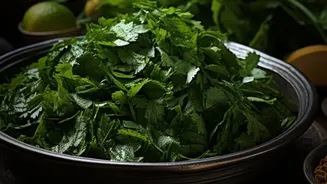
Leafy greens like spinach (palak) and amaranth (chaulai) are abundant during the monsoon and are packed with essential nutrients like vitamins A, C, and E, iron, and antioxidants that help strengthen immunity. However, the high humidity of the season makes them prone to contamination. It is crucial to wash all leafy vegetables thoroughly before consumption. To be safe, it is best to cook them well rather than eating them raw. They can be easily added to dals, used to make nutritious sabzis, or stuffed into parathas for a wholesome and immunity-boosting meal.