


For years, moringa has been hailed as a 'miracle tree', often confined to supplement capsules and wellness shots. But it's time to bring this nutritional powerhouse out of the medicine cabinet and into the kitchen where it truly belongs.
From Tradition to Trend
Known in India
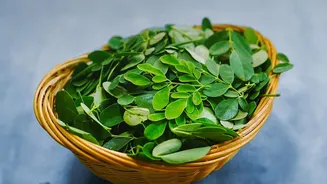
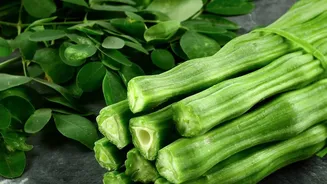
as the drumstick tree, nearly every part of the Moringa oleifera has been used for centuries. Its long seed pods are a staple in sambar, and its leaves have long been a part of South Indian cooking. While its modern 'superfood' status is relatively new, its role as a humble, nourishing food is ancient. The leaves are packed with vitamins A and C, protein, potassium, and calcium, making them a valuable addition to any diet. The goal isn't to treat it as a cure-all, but as a versatile vegetable, much like spinach or fenugreek leaves (methi).
Understanding the Flavour
Before you start cooking, it's helpful to know what you're working with. Fresh moringa leaves have a mild, leafy taste that's slightly peppery, similar to arugula or watercress. When cooked, they become tender and more subdued, releasing a grassy aroma. Moringa powder, made from dried and ground leaves, is more concentrated. Its flavour is often described as earthy and green, comparable to matcha or spinach powder. It has a slightly bitter undertone, which is important to balance in your dishes. Starting with small amounts is key to preventing its taste from overpowering your meal.
Using Fresh Moringa Leaves
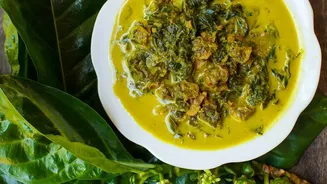
If you can find fresh moringa leaves, treat them as you would any other leafy green. The small leaflets need to be stripped from their fibrous stems, which can be done by pulling your fingers down the stalk. Once washed, they can be added to a variety of dishes. Stir them into dal or sambar during the last 5-10 minutes of cooking. Sauté them with onions, garlic, and spices for a simple and nutritious side dish (poriyal or thoran), often finished with a sprinkle of fresh coconut. You can also finely chop the tender leaves and knead them into the dough for theplas, parathas, or adai for a hidden nutritional boost.
The Versatility of Moringa Powder
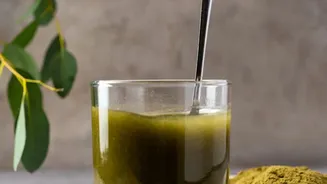
Moringa powder is incredibly easy to use and perhaps the most accessible way to incorporate moringa into your diet. Its fine texture allows it to be blended seamlessly into both sweet and savoury foods. A common starting point is adding half to one teaspoon to a smoothie. The sweetness of fruits like banana, mango, and pineapple is particularly effective at balancing the powder's earthy notes. For savoury applications, stir a teaspoon into soups, curries, or gravies towards the end of cooking to preserve its nutrients. You can also mix it into pancake batter, oatmeal, yogurt, or even hummus for a vibrant green, nutrient-dense twist.
Simple Tips for Success
To get the most out of moringa without the bitterness, a few simple tricks can help. Start with a small amount, typically around half a teaspoon of powder per serving, and gradually increase as you get used to the taste. Pairing moringa with acidic ingredients like lemon juice or tamarind can help cut through its earthy flavour. Healthy fats, such as coconut milk, yogurt, or avocado, can also create a creamier texture that mellows the taste. When cooking, it's often best to add moringa powder in the last few minutes. This helps protect some of its heat sensitive vitamins and prevents the flavour from becoming too pronounced.