




The New Dinner Dilemma
The urban Indian lifestyle runs on convenience. This is most visible in our food habits, where online delivery platforms have become the default solution for millions. Juggling long work hours and busy schedules has made the idea of cooking every night
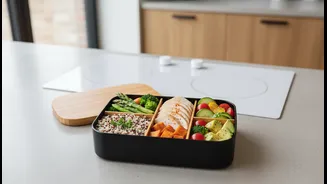
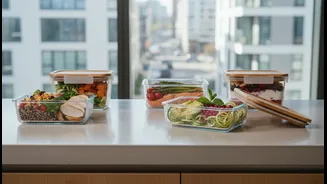
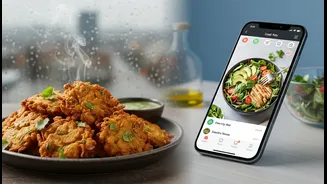
a challenge. Simultaneously, a growing consciousness around health and wellness has created a conflict. While ordering from a restaurant is easy, it's often a lottery in terms of nutrition, portion control, and consistent quality. This is the gap where healthy meal subscriptions are planting their flag. They promise the convenience of not cooking, but with the added benefits of health, consistency, and structure that on-demand restaurant meals often lack. The market for these services is growing rapidly, fueled by a population that wants both convenience and well-being.
The Challenge to On-Demand Delivery
Restaurant aggregators thrive on impulse. You're hungry now, you order now. Healthy meal subscriptions operate on a different philosophy: planning. By signing up, a customer makes a decision for the week or month, not just for the next 30 minutes. This fundamentally alters the economic model. For food delivery giants, the fight is for every single order, often won through deep discounts and promotions. For subscription services, the goal is customer retention and building a predictable revenue stream. This predictability allows them to optimize everything from ingredient sourcing to delivery logistics, which can lead to more affordable prices per meal compared to a restaurant order that includes delivery fees, taxes, and packaging charges. While a subscription meal may cost more than home-cooked food, it is frequently cheaper than the full cost of ordering a comparable healthy meal from a restaurant.
Solving the Meal Planning Puzzle
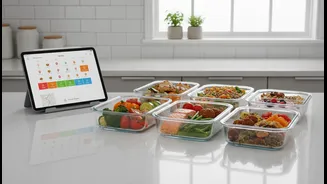
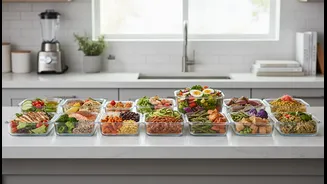
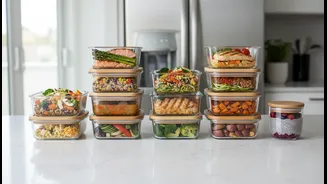
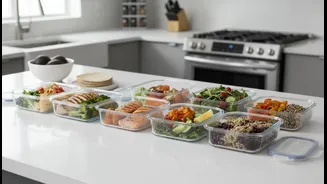
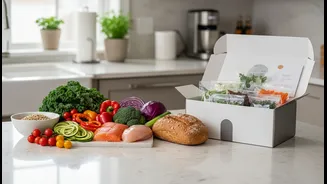
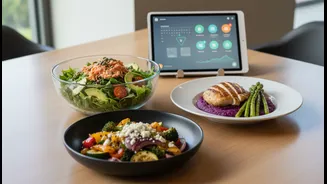
The biggest unspoken challenge that meal subscriptions solve is the mental load of meal planning. Deciding what to eat, making a grocery list, shopping for ingredients, and the actual cooking is a multi-step process that consumes significant time and energy. Healthy meal services eliminate this entire chain of decision-making. They offer curated menus, often designed by nutritionists, that cater to specific dietary goals like weight loss, muscle gain, or managing conditions like diabetes. For consumers, this means achieving health goals without needing to become an expert in nutrition. It also introduces variety into diets, helping people break out of food ruts with new recipes and cuisines they might not attempt on their own. Furthermore, by providing pre-portioned ingredients or ready-to-heat meals, they significantly reduce food waste at home.
The Road Ahead: Challenges and Opportunities
The path for meal subscriptions is not without obstacles. Customer retention is key, and services must consistently deliver on taste, quality, and variety to prevent subscribers from cancelling. There's also the challenge of 'subscription fatigue', where consumers feel overwhelmed by multiple recurring payments. Logistics in a country as diverse as India, ensuring timely delivery and freshness across different cities, remains a complex problem to solve at scale. However, the opportunity is immense. The Indian market for healthy ready-to-eat and meal kit services is projected to grow significantly over the next decade. As disposable incomes rise and health awareness becomes more mainstream, the demand for structured, reliable, and healthy food solutions is only set to increase. This puts these services in a prime position to become an integral part of the modern Indian diet.