



Beyond the Itinerary
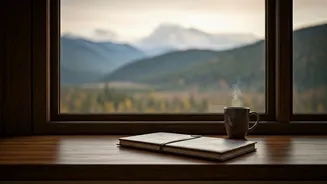
It’s called ‘slow travel,’ and it’s less a trend and more a mindset shift. Forget the whirlwind tour of five cities in seven days. Slow travel is the art of experiencing a destination by staying in one place for longer. Instead of ticking off landmarks
from a list, you immerse yourself in the local rhythm of life. It’s about choosing depth over breadth—swapping the frantic bus tour for a leisurely morning at a neighbourhood cafe, renting an apartment instead of staying in a hotel chain, and learning a few phrases in the local language. Inspired by the 'Slow Food' movement, which began in Italy to protest fast food, slow travel champions a more mindful, sustainable, and enriching way to see the world. It’s about connection, not collection.
The Real Rewards of Going Slow
The primary benefit of slowing down is a significant reduction in travel-related stress. There are no frantic airport dashes or rigid schedules. This allows for spontaneity—the freedom to wander down an interesting alley, spend an entire afternoon in a museum you love, or accept an invitation from a local. This deeper engagement fosters a genuine connection to the place and its people. You start to understand the local culture, not just observe it from a distance. Furthermore, slow travel is often more sustainable. By staying longer, you reduce your carbon footprint from frequent flights or long-distance drives. You also tend to support smaller, local businesses—the family-run guesthouse, the corner grocer, the artisan shop—contributing directly to the community’s economy rather than just large multinational corporations.
Kinder to Your Wallet
While it might sound luxurious, slow travel can be surprisingly budget-friendly. Transportation is often the biggest expense on a multi-destination trip. By staying put, you slash those costs. Accommodation often becomes cheaper, too. Many hosts on platforms like Airbnb or local rental sites offer substantial weekly or monthly discounts. Staying in a place with a kitchen means you don't have to eat out for every meal. A trip to the local market becomes an adventure in itself, allowing you to sample fresh, regional produce while saving a significant amount of money. This financial freedom can, in turn, allow you to stay even longer or splurge on a truly unique local experience, like a cooking class or a guided nature walk.
How to Plan Your First Slow Trip
Ready to give it a try? Start small. Instead of planning a cross-country trip, pick one region or state to explore thoroughly. For a week-long vacation, choose just one city or town as your base and take day trips from there. Resist the urge to over-schedule. Leave entire days open for spontaneous discovery. Research public transportation options; using local buses or trains is not only cheaper but also offers a slice-of-life experience you won't get in a tourist cab. When booking accommodation, look for places that offer a sense of home and a connection to the neighbourhood. The goal isn’t to do nothing; it’s to do things with more intention and less rush.
Inspiration for Your Next Getaway
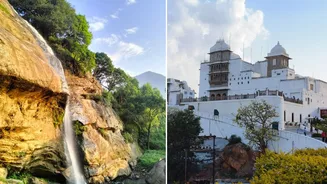
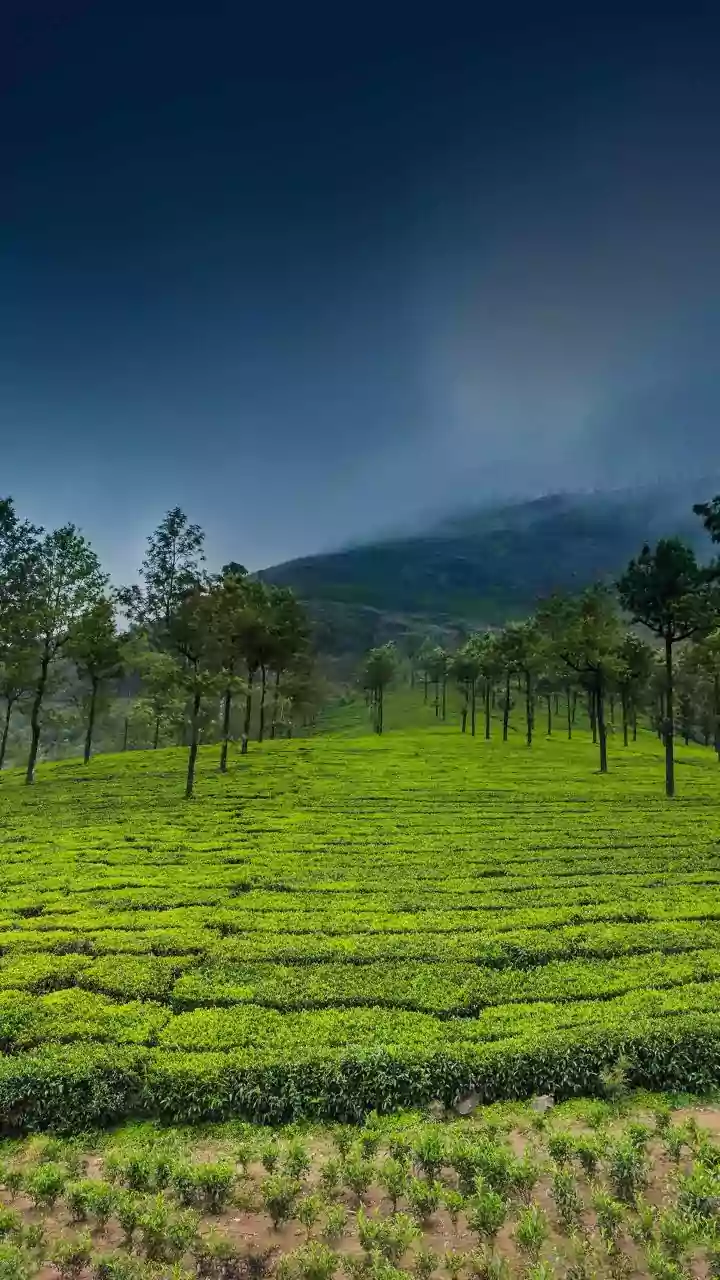
India is perfectly suited for slow travel. Instead of trying to 'do' all of Rajasthan, spend ten days exploring the villages and art communities around Udaipur. Or, rather than hopping between hill stations, base yourself in a single town in the Kumaon region of Uttarakhand, taking different treks and village walks each day. Spend a week on a houseboat in the Kerala backwaters, drifting from one village to the next, or rent a small cottage in Goa outside the main tourist hubs to experience its quieter, Portuguese-influenced south. The possibilities are endless. The key is to see your destination not as a checklist, but as a temporary home waiting to be discovered.