
Starting your day with a protein-rich meal is key for sustained energy and muscle health. Thankfully, traditional Indian cuisine offers a wealth of delicious, plant-powered breakfast options that go far beyond the usual toast and cereal.
1. Moong Dal Cheela
A classic North
Indian savoury pancake, the moong dal cheela is a powerhouse of plant-based protein. Made from a simple batter of soaked and ground yellow moong dal (split mung beans), it's light on the stomach yet incredibly filling. Moong dal is celebrated for being a rich source of protein and dietary fibre, which aids in digestion and helps keep you feeling full until your next meal. A typical breakfast of two medium-sized cheelas can provide a substantial amount of your daily protein needs, with some preparations offering as much as 8 grams of protein per cheela. The batter is often seasoned with ginger, green chillies, and cumin, and can be customised by adding finely chopped vegetables like onions, carrots, and spinach for an extra nutrient boost. It's a quick, versatile, and gluten-free option that requires no fermentation.
2. Besan Chilla
Similar to its moong dal cousin, the besan chilla (or gram flour pancake) is another excellent protein-rich breakfast choice. Besan, made from ground chickpeas (chana dal), is naturally high in protein and gluten-free. This makes the chilla not only a nutritious option but also a quick one, as the flour requires no soaking. A serving of two chillas can contribute a significant amount of protein, with estimates ranging from 5 to 10 grams depending on size and preparation. To further increase the protein content, many people add grated paneer, tofu, or a variety of vegetables to the batter. It’s a simple, adaptable, and flavourful dish that can be on your plate in under 15 minutes, making it perfect for busy mornings.
3. Poha with Sprouts and Peanuts
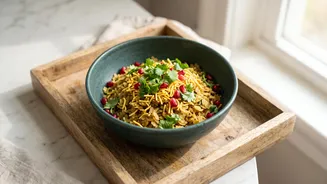
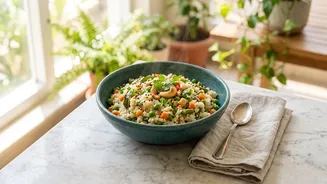
Poha, or flattened rice, is a beloved breakfast staple across India. While poha itself is primarily a carbohydrate, its protein content can be significantly enhanced with the right additions. A standard plate of poha contains a moderate amount of protein, but incorporating ingredients like roasted peanuts, steamed moong sprouts, or even paneer transforms it into a high-protein meal. Peanuts are a great source of both protein and healthy fats, providing lasting energy. Adding just a couple of tablespoons of roasted peanuts can add several grams of protein to the dish. Sprouts, particularly moong sprouts, are another fantastic addition, as the sprouting process can make the protein more easily absorbable. This combination creates a balanced breakfast that is both light and satisfying.
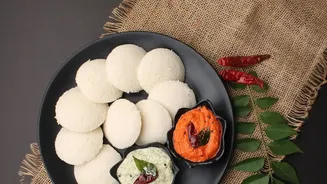
4. Idli with Sambar
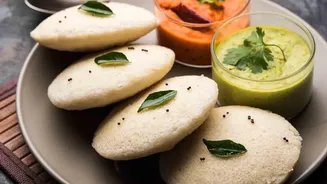
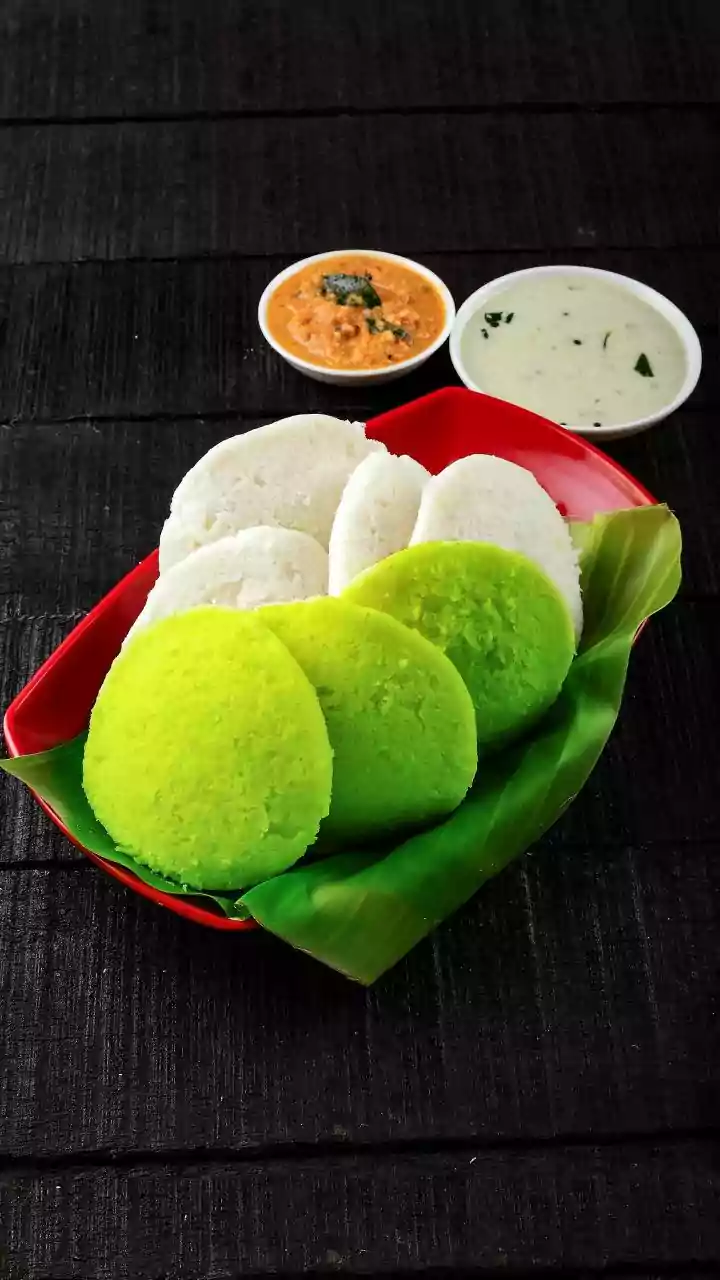
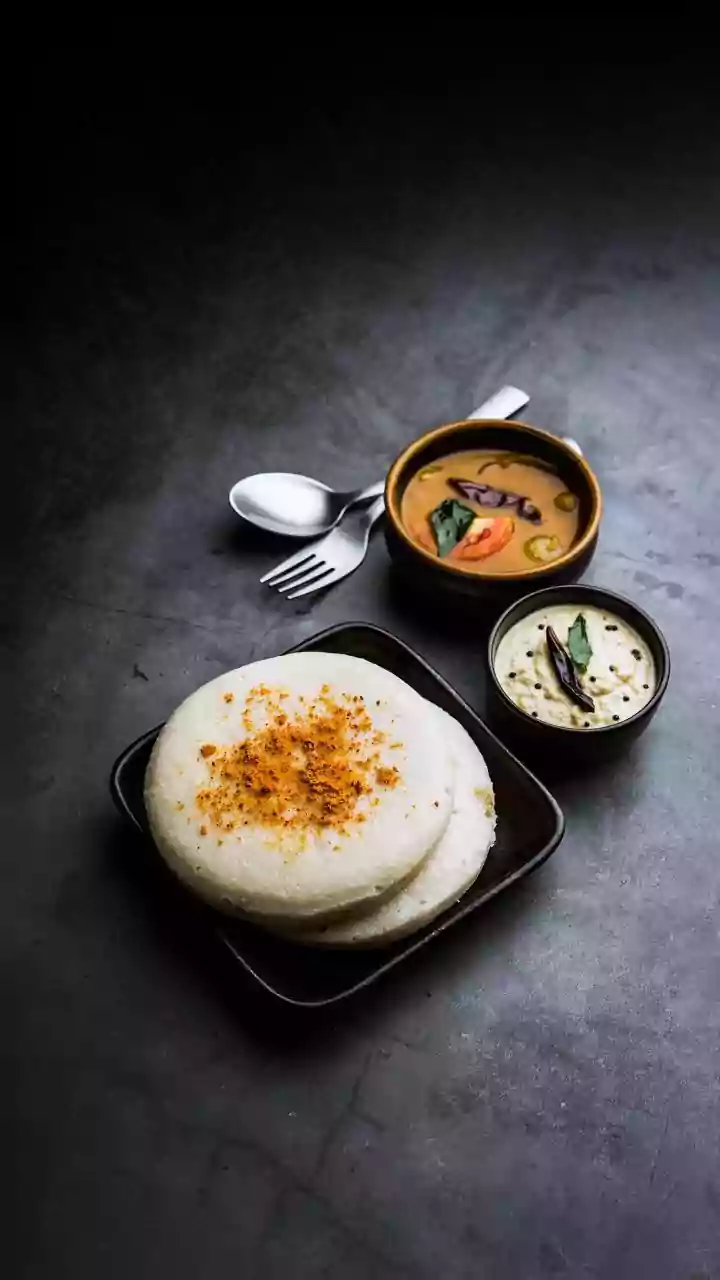
This iconic South Indian breakfast is a perfect example of how food combinations can create a complete protein profile. Idli, a steamed cake made from fermented rice and urad dal (black gram), provides some protein. However, the real protein hero of this meal is the sambar. Sambar is a hearty lentil-based stew, typically made with toor dal (pigeon peas), which is an excellent source of plant protein. A generous bowl of thick sambar served alongside two or three idlis can provide around 10 to 13 grams of protein. The fermentation of the idli batter also makes the nutrients more bioavailable, meaning your body can absorb them more effectively. This combination of fermented grains and lentils makes for a wholesome, gut-friendly, and protein-sufficient start to the day.
5. Sattu Paratha
Originating from the regions of Bihar and Uttar Pradesh, sattu is a superfood flour made from roasted gram (chana). It is an incredibly rich source of plant-based protein, fibre, and essential minerals. When used as a stuffing for whole wheat parathas, it creates a breakfast that is both rustic and exceptionally nutritious. A single sattu paratha can contain around 10–11 grams of protein, making it one of the most protein–dense vegetarian breakfast options available. The filling is typically mixed with spices like ajwain (carom seeds), ginger, and sometimes pickled masala to give it a tangy, savoury flavour. Because sattu is pre–roasted, it doesn't require cooking, and it's known for its cooling properties, making it a great meal for any time of year.