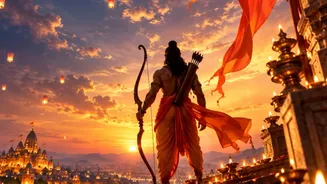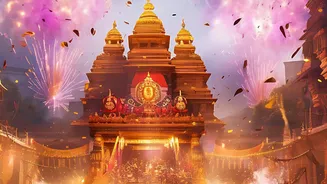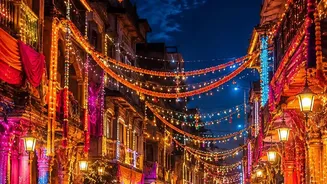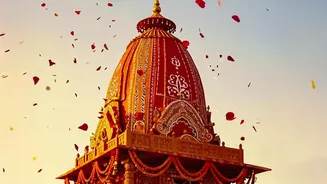



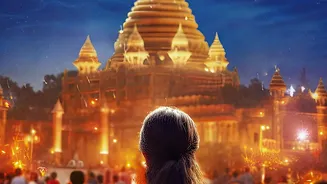
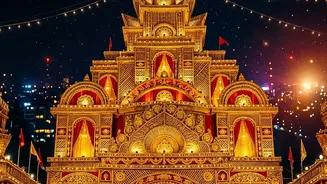
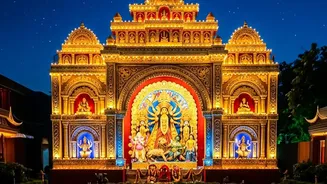
Every year, the ancient city of Ayodhya transforms into a celestial kingdom of light for Deepotsav. This guide explains what to expect at the 2026 festival, from the main events to practical tips for an unforgettable spiritual experience.
The Riverfront Spectacle of Lights
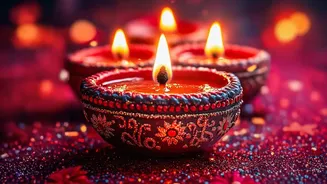
The heart of
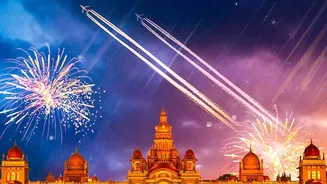
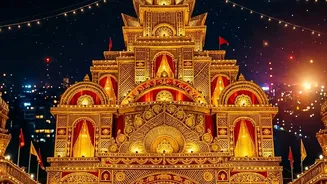
Deepotsav is the breathtaking illumination of Ram Ki Paidi and the adjoining ghats along the Saryu River. The main event for 2026, scheduled for the evening of November 7, aims to set a new Guinness World Record by lighting over 30 lakh earthen lamps, or diyas. This massive undertaking, carried out by tens of thousands of student volunteers, transforms the riverfront into a shimmering sea of gold, commemorating Lord Ram's return to Ayodhya. The sight of millions of lamps flickering in unison as their reflections dance on the sacred waters of the Saryu is the festival's defining image and a profoundly moving experience for all who witness it.
A Modern Retelling of an Ancient Epic
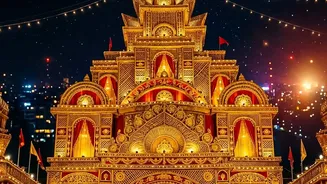
Ayodhya Deepotsav seamlessly merges ancient tradition with modern technology to narrate the epic of Ramayana. Visitors can expect a spectacular show featuring 2,100 drones creating choreographed formations in the night sky, depicting scenes from the sacred text. This is complemented by a high-tech laser show and 3D projection mapping on the historic ghats, creating a stunning visual narrative. Adding to the multisensory experience, musical fireworks will light up the horizon, and a floating stage on the Saryu may feature live performances of dance and music. An augmented reality application will also allow visitors to view scenes from the Ramayan against the actual festival backdrop.
Processions and Cultural Performances
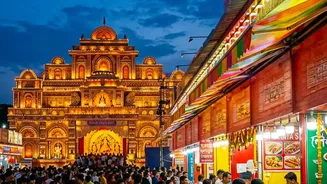
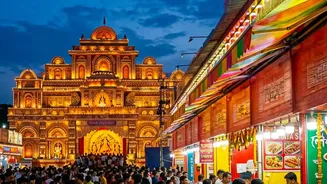
The festivities extend beyond the ghats and into the city's streets. A major highlight is the Shobha Yatra, a grand procession featuring around 22 elaborate tableaus, or 'jhankis', that travel from Saket Mahavidyalaya to Ram Katha Park. These displays depict various episodes from the Ramayana, accompanied by folk artists and cultural troupes. The festival also hosts Ramlila performances by international troupes from countries like Sri Lanka, Nepal, and Thailand, offering diverse interpretations of the epic. Ramkatha Park serves as a hub for many of these cultural events, including sand art and other themed installations.
Spiritual Rituals and Ceremonies
At its core, Deepotsav is a deeply spiritual occasion. A key ceremony is the Saryu Maha Aarti, a grand river worship ritual held at dusk. In 2026, the aarti is planned to be a massive event involving over 2,147 participants. Before the main event, visitors can also witness the symbolic arrival of artists representing Lord Ram, Sita, and Lakshman via helicopter—a modern take on the mythical Pushpak Viman—followed by a symbolic coronation ceremony at Ram Katha Park. These rituals are central to the festival, connecting the grand public spectacle to its religious roots.
A Practical Guide for Visitors
Attending Deepotsav requires planning due to the immense crowds. It is highly advisable to book accommodation months in advance, as hotels fill up quickly. On the main day, November 7, vehicle movement near the ghats is heavily restricted, and visitors should be prepared for significant walking. Arrive at your chosen viewing spot by early afternoon to avoid the peak rush. Public viewing areas are available, though the central zone at Ram Ki Paidi may require passes. Dress in comfortable footwear, carry light essentials like water and ID, and follow all security guidelines. For a more comfortable experience, consider visiting the Shri Ram Janmabhoomi Mandir on a day before or after the main Deepotsav evening.