


The Soul of a Collected Home
What separates a home that feels soulful and personal from one that resembles a showroom floor? The answer is intention. A collected home is one where every object, from the sofa to the smallest souvenir, has earned its place. It’s a space that tells
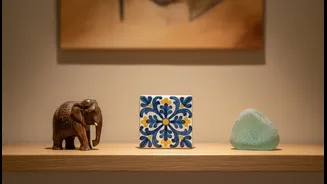
the story of the people who live there—their travels, their history, and their passions. This isn’t about adhering to a single design style, but about creating a unique mix that reflects your journey. It’s the artful blend of a family heirloom with a modern piece of art, or a handcrafted basket from a memorable trip sitting next to a favourite stack of books. This approach moves beyond simply decorating to fill space; it’s about curating a life. The result is a layered, inviting environment that feels authentic because it has been assembled over time, with care.
Mindset Shift: From More to Meaning
The first step toward a collected home is a mental one. It requires moving away from the impulse to buy things simply to fill a corner or follow a fleeting trend. Instead, adopt a curator’s mindset. Ask yourself not just “Do I like this?” but “Does this mean something to me?” or “Does this serve a purpose in my life?” As the great craftsman William Morris advised, you should have nothing in your house that you do not know to be useful or believe to be beautiful. This philosophy encourages patience. A collected home is never truly 'finished'; it evolves as you do. Embracing this slow decorating process allows your style to mature and ensures each new addition is a thoughtful one, rather than an impulsive purchase you’ll later regret.
The Art of Intentional Selection
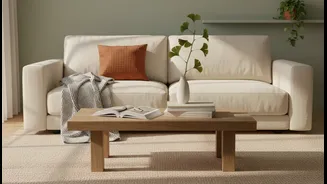
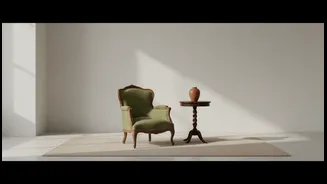
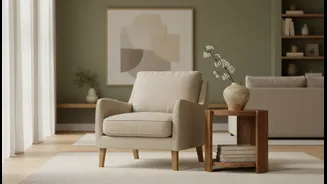
Selection is an active, mindful process. It’s about quality over quantity and personality over perfection. When choosing new items, think about the story they tell. An object doesn’t need to be expensive to be valuable; its worth comes from its personal significance. Consider mixing old and new to create contrast and character. An antique side table can bring history and warmth to a room with a contemporary sofa. Don't be afraid to mix materials and textures—the interplay of wood, metal, glass, and soft textiles adds depth and interest without creating clutter. And remember to shop from a variety of sources. A home furnished entirely from one store lacks the unique character that comes from blending finds from thrift stores, artisan markets, travel, and high-street shops.
Editing: The Other Half of Curation
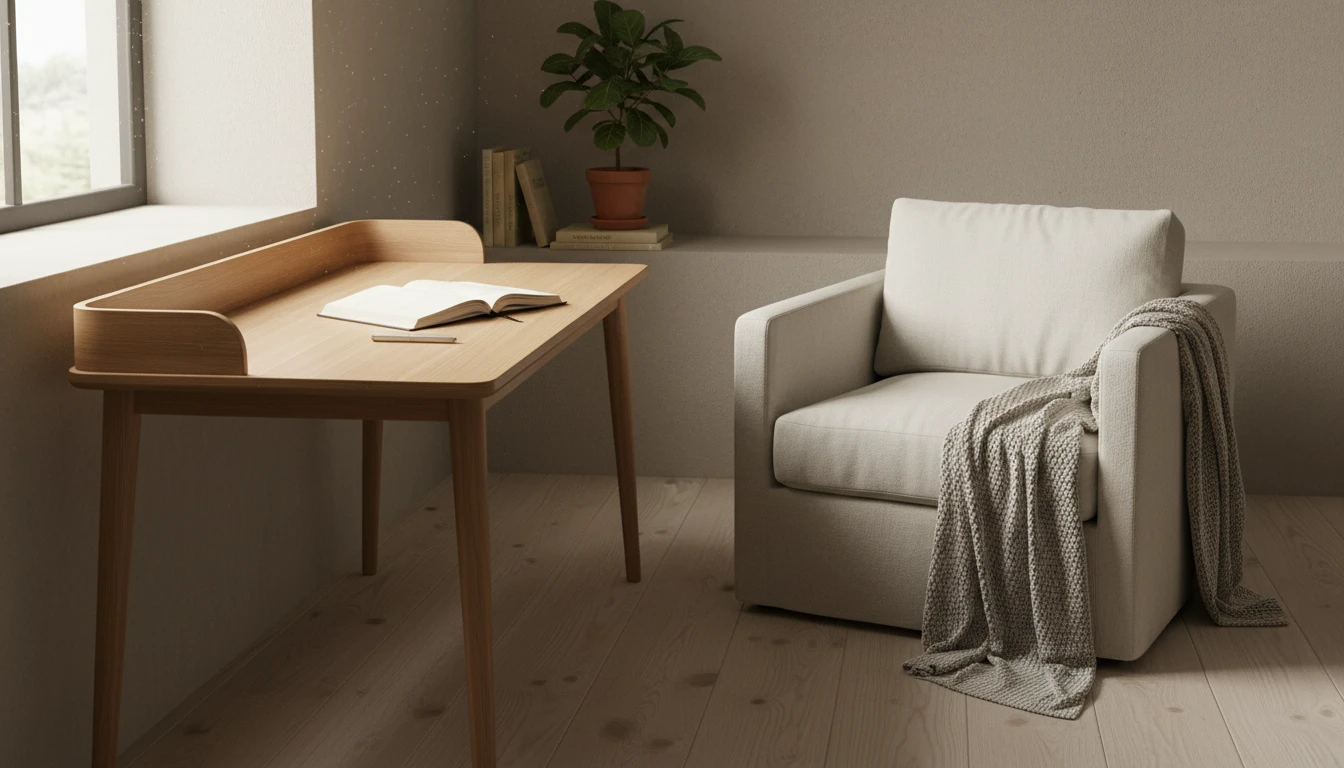
Creating a collected home is as much about what you remove as what you add. Editing is the process of looking at your existing possessions with a critical eye and deciding what truly belongs. This isn't about sterile minimalism but about creating breathing room so the pieces you love can shine. Start by decluttering and removing items that no longer serve a function or bring you joy. If you're holding onto something out of guilt or obligation, it might be time to let it go. Like a writer editing a story, you have to decide which details add to the narrative and which ones are just noise. This creates space—both physical and mental—and allows your most cherished objects to become the focal points of your home.
Weaving Your Personal Narrative
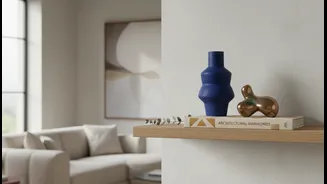
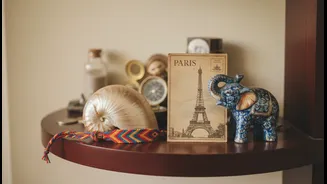
Once you have selected and edited your pieces, the final step is arranging them to tell a cohesive story. This is where you can let your personality shine. Group items to create visual harmony, perhaps by colour, theme, or material. A collection of blue and white ceramics on a bookshelf, family photos arranged along a hallway, or a display of travel mementos on a mantelpiece can all serve as powerful narrative elements. Play with scale by mixing large and small items, and use layers to create visual depth. For example, placing a small, beloved object in front of a larger piece of art can draw the eye and invite curiosity. Ultimately, your home should feel like an autobiography in three dimensions—a space that nobody else could have created but you.