




Embracing Tradition with a Modern Twist
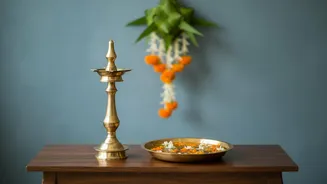
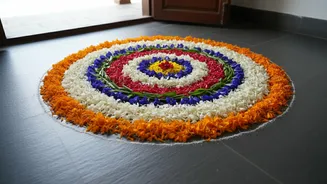
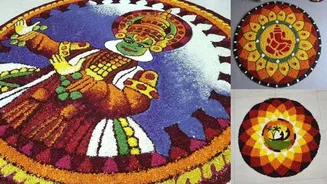
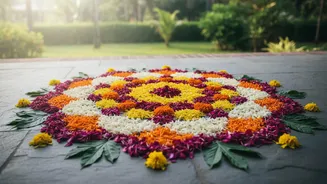
Onam decorations are rooted in nature, celebrating the harvest with fresh flowers, banana leaves, and the warm glow of lamps. The Pookalam, a stunning floral carpet, is the heart of the decor, traditionally made fresh daily. The Nilavilakku, a tall brass
lamp, illuminates the home, symbolising prosperity. While these biodegradable elements are inherently eco-friendly, the modern festival has sometimes seen a rise in single-use plastics and artificial decor. Choosing reusable decorations isn't about abandoning these beautiful customs, but about investing in quality pieces that can be cherished year after year, reducing waste while preserving the festival's authentic spirit.
The Pookalam: Beyond Fresh Petals
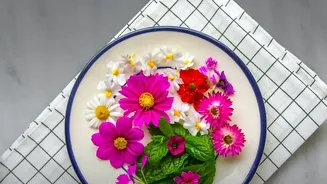
The daily ritual of creating a Pookalam with fresh marigolds, chrysanthemums, and jasmine is a core part of Onam. However, for those seeking a reusable alternative, several creative options exist. A permanent base, like a painted wooden board or even a floor mosaic, can be filled with coloured rice, powders, or pulses for a similar effect that is easy to clean. Fabric pookalams, made from felt or silk petals, offer a vibrant, storable solution. Some families create a semi-permanent design for the ten-day festival on a large tray or a removable shower curtain liner, making execution and cleanup more manageable. These alternatives allow for intricate designs without the daily expense and wilting of fresh flowers.
Investing in Everlasting Light: Lamps and Diyas
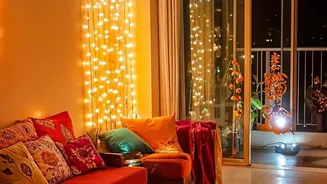
Lighting is central to the Onam aesthetic. Instead of disposable plastic tea lights or string lights, consider investing in timeless pieces. A traditional brass Nilavilakku is a perfect example of a one-time purchase that becomes a family heirloom, brought out for Onam, Diwali, and other celebrations. Terracotta or clay diyas are another excellent, eco-friendly choice, providing a warm, natural glow that electric lights cannot replicate. They are inexpensive and can be reused for many festivals to come. For a touch of modern convenience, high-quality LED diyas that mimic a flickering flame offer a safe and reusable option, especially in homes with children or pets.
Festive Doorways: The Reusable Thoranam
Welcoming guests starts at the door, often decorated with a 'thoranam' or 'bandanwar'. Traditionally, these are made from fresh mango leaves and marigold flowers, which are believed to bring good luck. For a durable option, consider a fabric thoranam. Available in materials like silk or cotton and embellished with embroidery, beads, or mirror work, these hangings offer a rich, traditional look and can be carefully stored and reused for years. Wooden or metal torans also provide a rustic and durable alternative, adding an artisanal touch to your entrance.
The Guide to Sustainable Materials
When choosing reusable decor, the material is key. Prioritise natural, long-lasting options that reflect Kerala's aesthetic. Look for items made from brass, copper, terracotta, wood, and cane or bamboo. These materials are not only durable but also align with the festival's connection to nature. For textiles, such as cushion covers, table runners, or curtains, opt for handloom cotton, linen, or silk with traditional block prints or kasavu-style gold borders. By consciously avoiding single-use plastics and synthetic materials, you contribute to a cleaner environment and support artisanal traditions.
Care and Storage: Protecting Your Decor for Next Year
The key to reusability is proper care and storage. After the festival, clean your brass items with tamarind paste or a suitable polish and store them in a dry place to prevent tarnishing, especially in humid climates. Fabric decorations like thoranams and cushion covers should be gently cleaned and stored in airtight containers, perhaps with silica gel packets to absorb moisture. Woven baskets, wooden items, and other durable pieces should be wiped down and stored away from direct sunlight. A little care ensures your festive treasures will look just as beautiful when you welcome King Mahabali next year.