



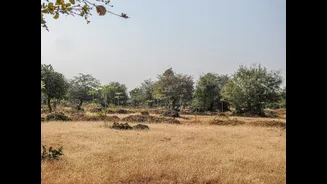


A Landscape of Stark Beauty
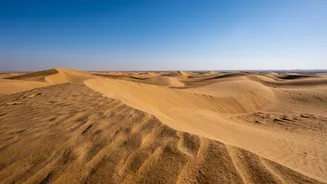
Covering a vast 3,162 square kilometres, Desert National Park is not your typical wildlife sanctuary. Instead of dense forests, it presents a mesmerising tableau of the Thar Desert's ecosystem. The landscape is a surprisingly varied mix of rolling sand
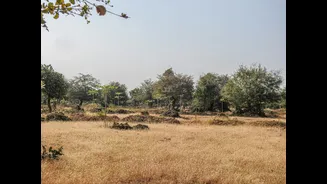
dunes, which constitute about 20% of the park, along with craggy rock formations, thorny scrublands, and the beds of extinct salt lakes. This seemingly barren expanse is a fragile but thriving habitat that showcases nature's resilience. A safari here is less about navigating thick jungle and more about traversing a wide-open terrain where the sky feels endless and the silence is profound, punctuated only by the wind and the call of a distant bird. The very starkness of the environment is what makes the life it supports so extraordinary.
The Quest for the Great Indian Bustard
The undisputed star of the park is the Great Indian Bustard, a towering, critically endangered bird. This majestic creature, one of the heaviest flying birds in the world, finds one of its last remaining strongholds within the protected grasslands of the park. Sighting a 'Godawan', as it is locally known, is a rare privilege that draws wildlife enthusiasts from across the globe. Conservation efforts, including the creation of fenced enclosures to provide secure breeding grounds, are crucial for its survival. While a sighting is never guaranteed, the thrill of searching for this rare bird across the desert landscape is a key part of the safari's allure. Its presence underscores the park's immense ecological importance.
A Surprising Array of Wildlife
Beyond the famous bustard, the park is home to a fascinating diversity of fauna adapted to the arid conditions. On a jeep safari, visitors can frequently spot the graceful Chinkara (Indian Gazelle) and the nimble Desert Fox. Other residents include the Blackbuck, Desert Cat, and various species of eagles, falcons, and vultures that patrol the skies. The park is also a haven for reptiles like the Spiny-tailed Lizard. In winter, its appeal grows as it becomes a temporary home for migratory birds, including the Demoiselle Crane and the Saker Falcon, adding another layer of excitement for birdwatchers. These sightings offer a constant reminder that the desert is far from empty.
Why Winter is the Golden Season
Timing is everything in the desert, and winter is unequivocally the best season to visit. From November to March, the punishing heat of the Thar subsides, replaced by pleasant, sunny days and cool nights. These comfortable temperatures make daytime safaris enjoyable rather than enduring. The milder weather also means that wildlife is generally more active, increasing the chances of sightings. For birdwatchers, winter is peak season, as migratory species flock to the park's lakes and waterholes. The low-angled winter sun casts a magical golden light across the dunes, creating spectacular photo opportunities, especially at sunrise and sunset. Fewer crowds compared to peak tourist seasons in other parks also contribute to a more serene and intimate experience.
The Safari Experience
Exploring Desert National Park is typically done via a jeep safari, as outside vehicles are not permitted. Local guides, often from nearby villages, possess an intimate knowledge of the terrain and wildlife habitats, significantly enhancing the experience. These safaris navigate sandy tracks to remote areas, offering a chance to see the park's diverse landscapes and animals. Many tours operate from the nearby city of Jaisalmer, about an hour's drive away, or from camps in villages like Sam and Khuri on the park's periphery. Options range from short half-day trips to immersive overnight stays that include camping under the stars, offering a chance to experience the profound quiet and clear night skies of the desert.