




A Roadside Assistance Call in Orbit
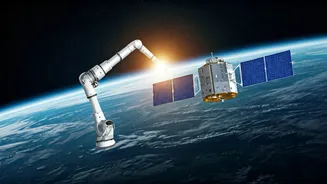
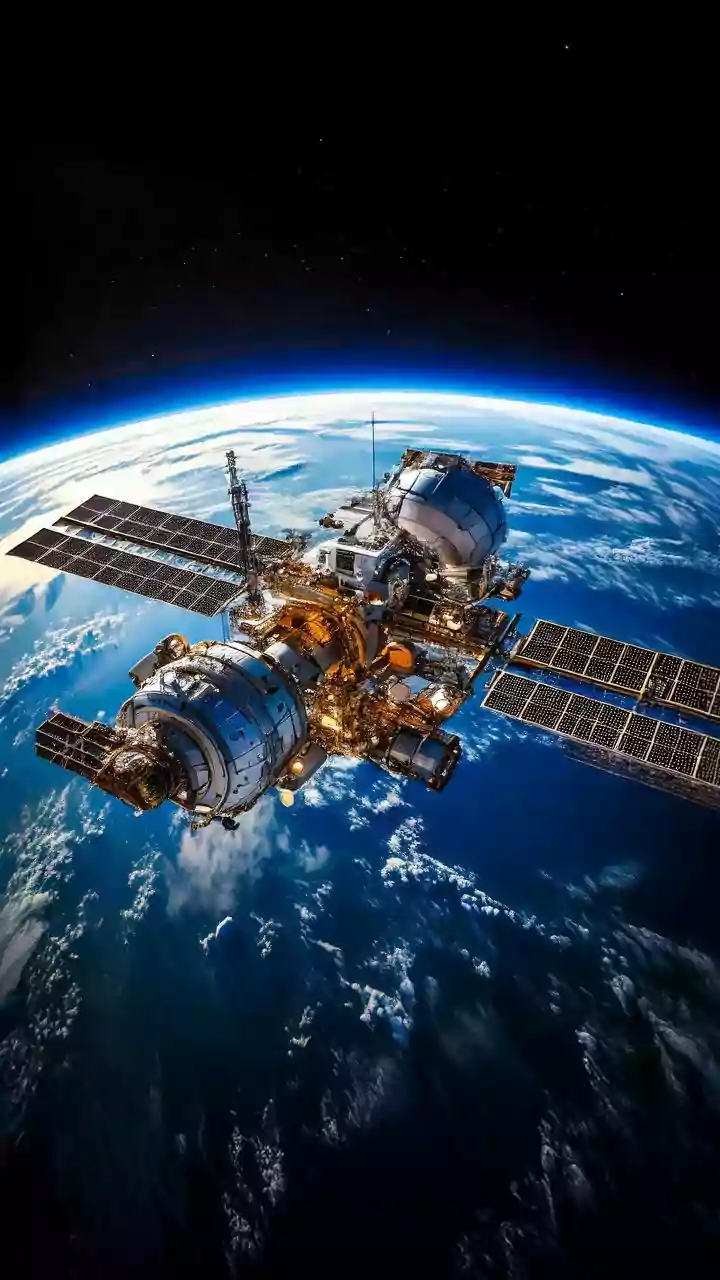
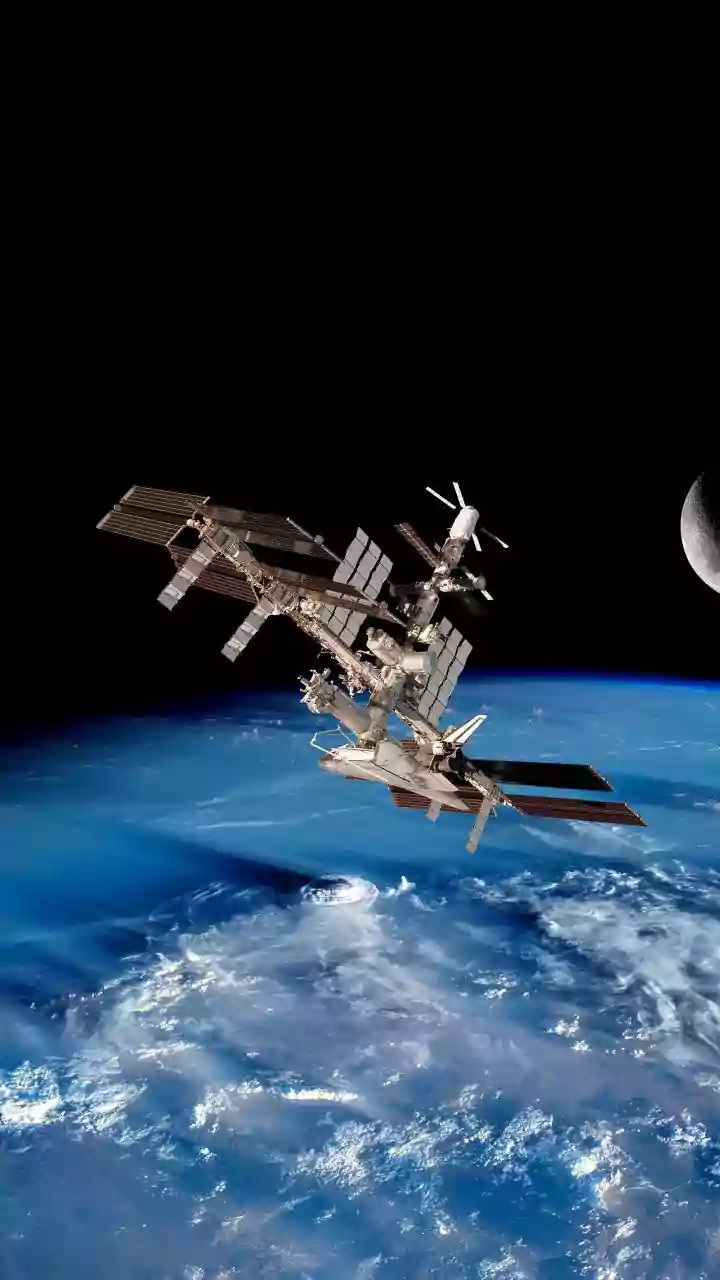
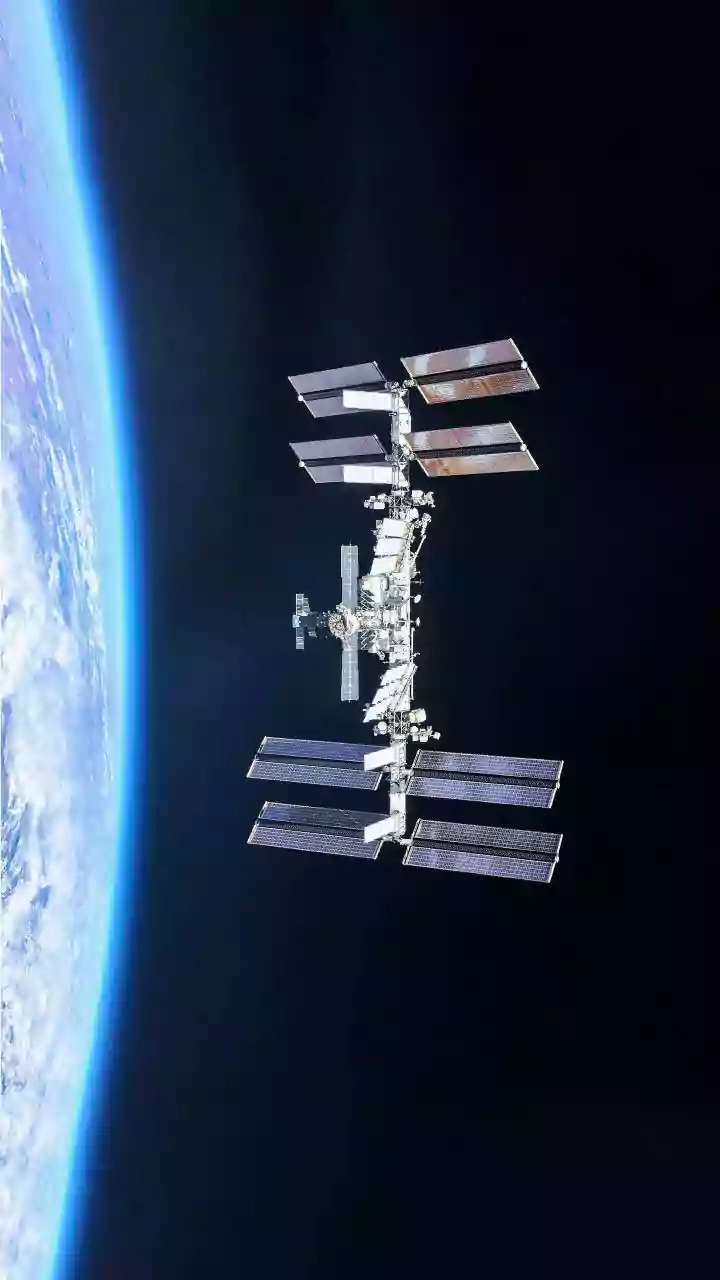
In a landmark event for the space industry, a robotic servicing spacecraft just conducted a first-of-its-kind rescue mission. On July 2, 2026, a vehicle named LINK, built by Katalyst Space Technologies, launched on a mission to save the Neil Gehrels Swift
Observatory, a vital NASA space telescope. The observatory's orbit had been decaying, and without intervention, it was projected to fall back to Earth. This mission isn't just about saving one satellite; it's a powerful demonstration of a new era in space operations where we can repair and upgrade assets directly in orbit, much like a roadside mechanic servicing a vehicle. The successful launch represents a major test for commercial on-orbit servicing, a capability that promises to transform the economics and sustainability of space.
How to Fix a Satellite That Wasn't Meant to Be Fixed
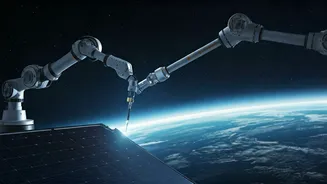
The challenge is immense: the Swift observatory, like most satellites currently in orbit, was never designed to be docked with or refueled. The LINK mission, therefore, has to perform a series of complex, autonomous manoeuvres. After its own system checks, the servicer will spend weeks carefully approaching the telescope, matching its orbit and velocity with extreme precision. Once it's in position, it will perform a delicate docking procedure. This isn't the stuff of science fiction anymore. Companies like Northrop Grumman are also advancing this technology with their Mission Robotic Vehicle (MRV), which uses sophisticated robotic arms to attach Mission Extension Pods—essentially 'jet packs'—to aging satellites, giving them an extra six years of life. These technologies are turning what was once considered space junk into renewable assets.
The Billion-Dollar Business Case
The financial implications of this technology are staggering. The satellite life-extension market was valued at $1.8 billion in 2025 and is projected to grow significantly. Communications satellites in geostationary orbit can cost upwards of a billion dollars to build and launch. Historically, their lifespan has been dictated by one simple factor: how much fuel they carried. Once the fuel runs out, the satellite, no matter how functional its electronics, is essentially useless. On-orbit servicing shatters this limitation. By refueling, repairing, or providing propulsion assistance, companies can extend the revenue-generating life of these assets for a fraction of the cost of a replacement. This creates a powerful incentive for satellite operators to invest in servicing, turning a potential loss into years of additional profit.
A Cleaner Future for Space
Beyond the bottom line, on-orbit servicing is a critical tool for environmental stewardship in space. The orbits around Earth are becoming increasingly crowded with defunct satellites and debris, creating a hazardous environment for active missions. Each piece of space junk, from a dead satellite to a fleck of paint, travels at incredible speeds and can cause catastrophic damage upon impact. By extending the lives of satellites, servicing missions reduce the need to launch replacements, thereby slowing the rate at which we add new objects to orbit. In the future, the same robotic technology used for repairs could be adapted for active debris removal, capturing and safely de-orbiting the most dangerous pieces of junk, ensuring that critical orbits remain safe and usable for generations to come.
What This Means for India
This global development has significant implications for India's own ambitious space program. The Indian Space Research Organisation (ISRO) is already developing its own rendezvous and docking capabilities through the Space Docking Experiment (SpaDeX). The successful demonstration of this technology is a crucial stepping stone for future projects, including the planned Bharatiya Antariksh Station and missions that require in-space assembly. As international firms like Katalyst and Northrop Grumman prove the commercial viability of on-orbit servicing, it creates both a competitive challenge and a collaborative opportunity for Indian entities. For India to remain a leading space power, mastering these technologies will be essential, not just for national missions but also for competing in the burgeoning global market for satellite servicing.