







The Chandrayaan Catalyst
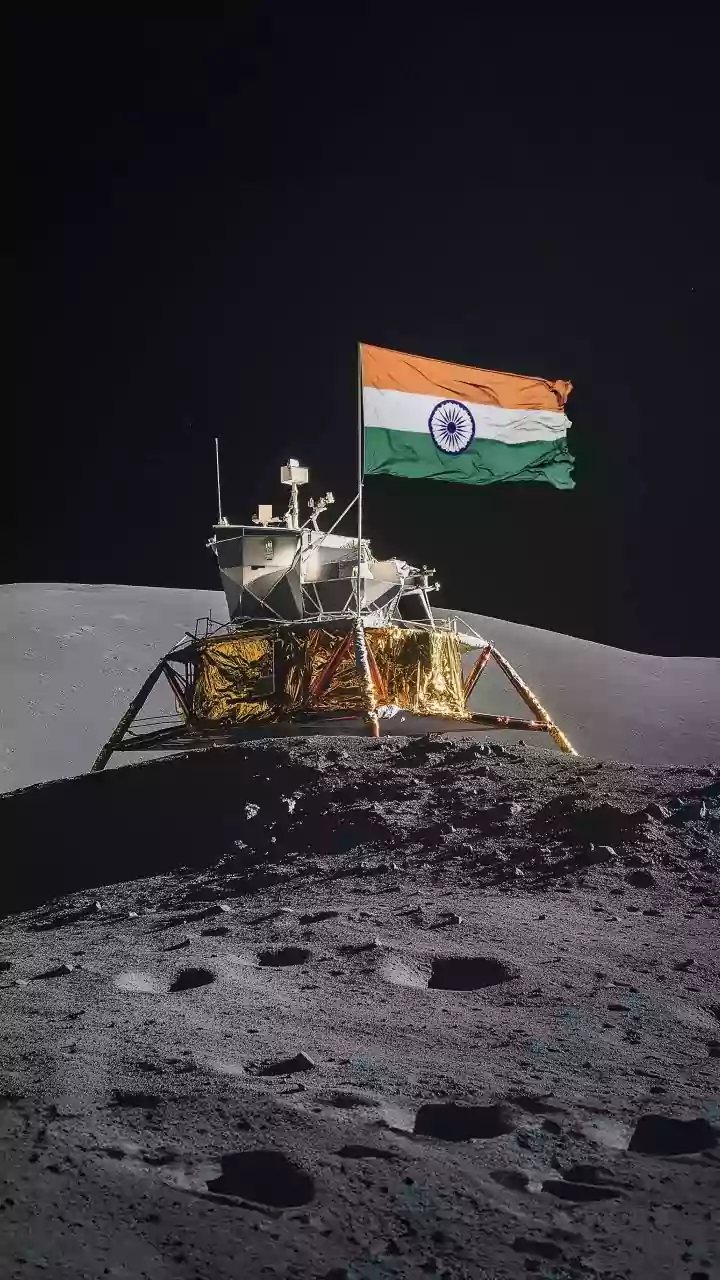
For decades, space exploration in India was the exclusive domain of the Indian Space Research Organisation (ISRO), a respected but somewhat distant government entity. That perception shattered in August 2023. The live broadcast of the Chandrayaan-3 landing
wasn't just a news event; it was a national spectacle, a shared moment of triumph that captivated hundreds of millions. Suddenly, space was immediate, accessible, and profoundly inspirational. ISRO scientists became household names, and control rooms filled with cheering engineers became the new picture of success. This “ISRO effect” cannot be overstated. By successfully executing complex, cost-effective missions like the lunar landing and the Aditya-L1 solar observatory, ISRO did more than plant a flag on the Moon. It planted an ambition in the minds of young Indians. It demonstrated that India could not only compete but lead on the global stage. For a generation raised on stories of Silicon Valley success, space exploration was suddenly presented as a viable, exciting, and patriotic career path right here at home.
A Galaxy of Startups
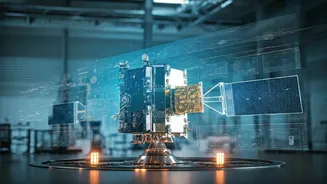
Parallel to ISRO’s public victories, a quieter but equally significant revolution has been taking shape: the rise of India's private space-tech ecosystem. The government’s 2020 decision to open the space sector to private players unleashed a wave of entrepreneurial energy. Today, India is home to over 150 space-tech startups, many founded and staffed by young engineers and entrepreneurs who once might have sought opportunities abroad. Companies like Skyroot Aerospace, which launched India's first privately developed rocket, and Agnikul Cosmos, pioneering 3D-printed rocket engines, are becoming the new icons of Indian innovation. These are not just businesses; they are bold declarations of intent. They operate with an agility and risk appetite that complements ISRO’s methodical approach, aiming to build everything from small satellite launch vehicles to in-space propulsion systems. This startup boom has created a dynamic job market and shown young professionals that they can be at the forefront of building India's commercial space future from the ground up.
From Classrooms to Cosmos
This interplanetary ambition is being nurtured long before the boardroom. It's taking root in classrooms, university labs, and student competitions across the country. Following Chandrayaan-3's success, educational institutions reported a significant spike in applications for aerospace engineering and related STEM fields. But the interest goes beyond textbooks. Student-led teams are now designing, building, and launching their own small satellites (CubeSats), gaining invaluable hands-on experience. Hackathons and innovation challenges focused on space-related problems—from designing lunar rovers to developing applications for satellite data—are drawing massive participation. This grassroots enthusiasm is creating a robust talent pipeline, a generation that is not just passively consuming news about space but is actively learning the skills to participate in it. They are fluent in the language of orbits, payloads, and propulsion, preparing to solve the challenges of tomorrow.
More Than Just Rockets
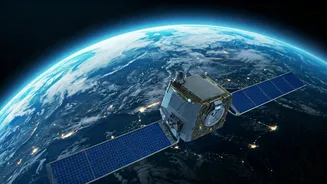
Crucially, this new 'interplanetary thinking' extends far beyond the launchpad. The next generation understands that a space-faring nation needs an entire ecosystem. The opportunities are vast and varied. Young data scientists are using satellite imagery to create solutions for agriculture, climate monitoring, and urban planning. Software engineers are building the next generation of mission control systems and simulation software. There's a growing focus on 'downstream' applications and 'in-space' services. This includes everything from managing the growing problem of space debris to designing robotics for in-orbit manufacturing and servicing. This diversification is key, as it opens the door to a wide array of talents. You no longer need to be a rocket scientist to work in the space industry; you can be a data analyst, a lawyer specialising in space policy, a designer, or a communications specialist. This broadens the appeal and makes the dream of working with space a reality for many more young Indians.