



Route Planning for Autumn
Autumn in Spiti is a tale of two routes. The road from Shimla to Kaza via Kinnaur is your most reliable option, remaining open and relatively stable through October. This route allows for gradual ascent, which is crucial for acclimatization. The Manali-Kaza
highway, via the high Kunzum Pass (4,590m), is a gamble. It is typically open in early autumn but becomes highly unpredictable after late September or early October, with a high risk of closure due to early snowfall. If you are travelling after the first week of October, it is safest to enter and exit Spiti via the Shimla route. Always build at least two buffer days into your itinerary to account for potential road closures or delays.
Vehicle Preparation is Non-Negotiable
The rugged terrain of Spiti demands a thoroughly checked vehicle. A 4x4 or an SUV with high ground clearance is best, but even a well-prepared sedan can manage on the Shimla route. Before you leave, get your car serviced. Pay special attention to the brakes; get them bled and replace the pads if they have less than 10,000 kilometres of life left. Check your tyres, including the spare, for wear and tear. All-terrain (AT) tyres are highly recommended over standard highway tyres. Also, ensure your coolant, engine oil, and other fluids are topped up, and inspect all hoses for leaks. Carry a basic toolkit, a reliable air compressor, a puncture repair kit, and jump-start cables.
The Invisible Danger: Black Ice
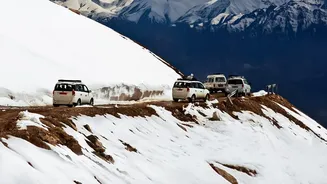
One of autumn's most significant threats is black ice, a thin, transparent layer of ice that is nearly impossible to see on the tarmac. It forms overnight and lingers in the early mornings, especially on shaded sections of the road, bridges, and high passes. As temperatures drop below freezing at night, any moisture on the road can turn into this slick hazard. If you encounter black ice, do not brake hard or make sudden steering movements. Ease off the accelerator and steer gently to maintain control. To minimize risk, always start your day's drive after the sun has had time to warm the roads, and plan to reach your destination well before sunset.
Respect the Altitude: Preventing AMS
Acute Mountain Sickness (AMS) is a serious risk in Spiti, where Kaza sits at 3,800 metres and passes are even higher. It is caused by ascending too quickly for your body to adjust to lower oxygen levels. Fitness level is not a factor; it can affect anyone. The golden rule is to acclimatize properly. If entering from Shimla, spend a night at a mid-altitude town like Kalpa or Nako. Avoid the common mistake of rushing from Manali to Kaza in a day. Stay hydrated, avoid alcohol for the first few days, and eat carbohydrate-rich foods. Symptoms of mild AMS include headache, nausea, dizziness, and fatigue. If you experience these, do not ascend further. Rest, hydrate, and if they worsen, descend to a lower altitude immediately.
Packing for Drastic Temperature Swings
Autumn weather in Spiti can be deceptive. Days can be pleasantly cool and sunny, with temperatures around 10-15°C, but they plummet to below freezing as soon as the sun sets. Nighttime temperatures in higher villages can drop to -10°C or lower. The key is layering. Pack thermal wear, fleece jackets, and a windproof and waterproof outer shell. Don't forget a warm hat, gloves, and woollen socks. Many guesthouses and homestays begin to close by late October, so pre-booking accommodation is wise. Carry enough cash, as ATMs are scarce and often unreliable. A good quality sleeping bag can also be a comfort during the intensely cold nights.