


The Comfort of Convenience
For many Indian households, coffee has long been synonymous with instant powder. Brands like Bru and Nescafé became cultural staples, offering a quick, easy, and affordable caffeine fix. This was the first wave of coffee that washed over the nation—a
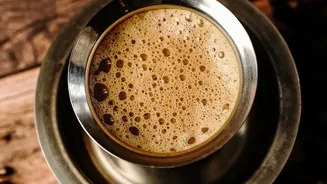
functional beverage designed for speed in a predominantly tea-drinking country. The ritual was simple: a spoonful of powder, hot water, milk, and sugar. It was dependable and familiar, the default choice for students pulling all-nighters and families starting their day. This era wasn't about flavour notes or origins; it was about the immediate, comforting bitterness that meant 'awake'. While filter kaapi held its own as a cherished tradition in the South, the rest of the nation was largely built on the convenience of instant.
From Powder to Provenance
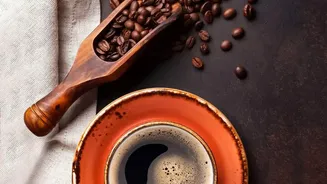
The new coffee conversation in India sounds entirely different. Words like 'single-origin', 'arabica', 'roast profile', and 'pour-over' are no longer niche terms but part of a growing vocabulary among urban consumers. This shift marks India's entry into the 'third wave' of coffee, a global movement that treats coffee as an artisanal product, much like wine. 'Specialty coffee' refers to beans graded 80 points or higher on a 100-point scale by certified tasters, ensuring a high standard of quality from farm to cup. Unlike commercial blends, single-origin or estate coffees come from a specific farm, allowing drinkers to taste the unique 'terroir'—the soil, climate, and altitude—of that location. This desire for traceability and quality is at the heart of the current trend.
Why the Big Shift Now?
Several factors are driving this upgrade in India’s coffee habits, especially among Millennials and Gen Z. Rising disposable incomes and global exposure have made premium experiences more accessible and desirable. This is amplified by the explosion of café culture, led by brands like Blue Tokai and Third Wave Coffee Roasters. These spaces are not just about buying a drink; they are hubs for work and socialising, where baristas can educate customers about the beans they are drinking. Social media also plays a huge role; the aesthetic appeal of latte art and the ritual of home-brewing are highly shareable, turning a daily beverage into a lifestyle statement. The pandemic further accelerated this trend, as people working from home began investing in brewing equipment to recreate café-quality experiences.
Discovering India's Coffee Belt
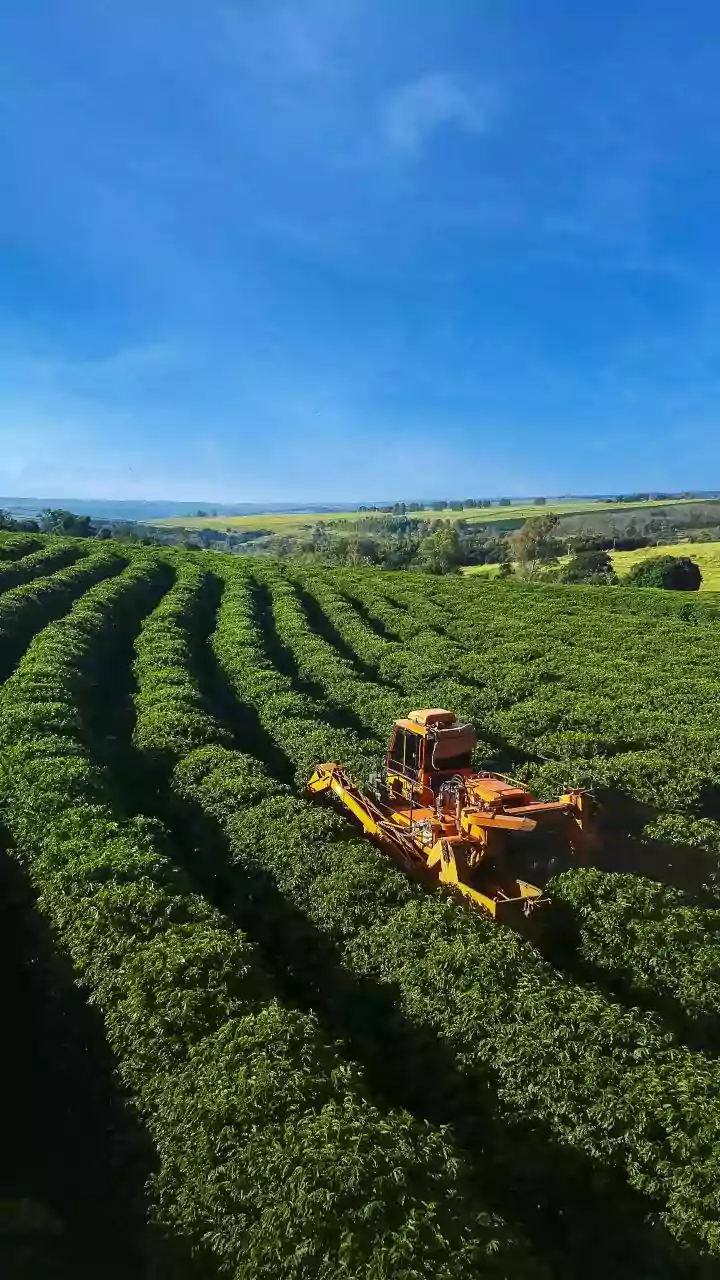
A renewed sense of pride in local produce is a key part of this story. For years, India's best coffee beans were exported, leaving the domestic market with lower-grade options. Now, roasters are working directly with estates to keep the finest beans within the country. Karnataka produces over 70% of India's coffee, with regions like Chikmagalur and Coorg at the forefront. Chikmagalur, often called the birthplace of Indian coffee, is known for arabica with notes of caramel and chocolate. Beans from Coorg, grown alongside spices like cardamom, often have a fuller body and spiced notes. Another notable region is the Araku Valley in Andhra Pradesh, where tribal communities grow organic, specialty-grade coffee that has gained international acclaim. This focus on Indian estates allows consumers to connect with the farmers and the land behind their cup.
More Than Just a Beverage
Choosing a single-origin pour-over instead of an instant coffee is more than a simple upgrade; it represents a larger cultural shift towards mindful consumption. For many young Indians, it is about knowing where their food comes from, supporting local farmers, and appreciating craftsmanship. The process itself has become a ritual, a moment of intentional pause in a busy day. It is an affordable luxury and an expression of personal identity. This movement is not just about taste, but about the entire experience—the story behind the beans, the art of the brew, and the community built around it. As consumers become more knowledgeable and demanding, they are pushing the entire industry to prioritise quality, transparency, and sustainability.