

Flours and Grains for Fasting
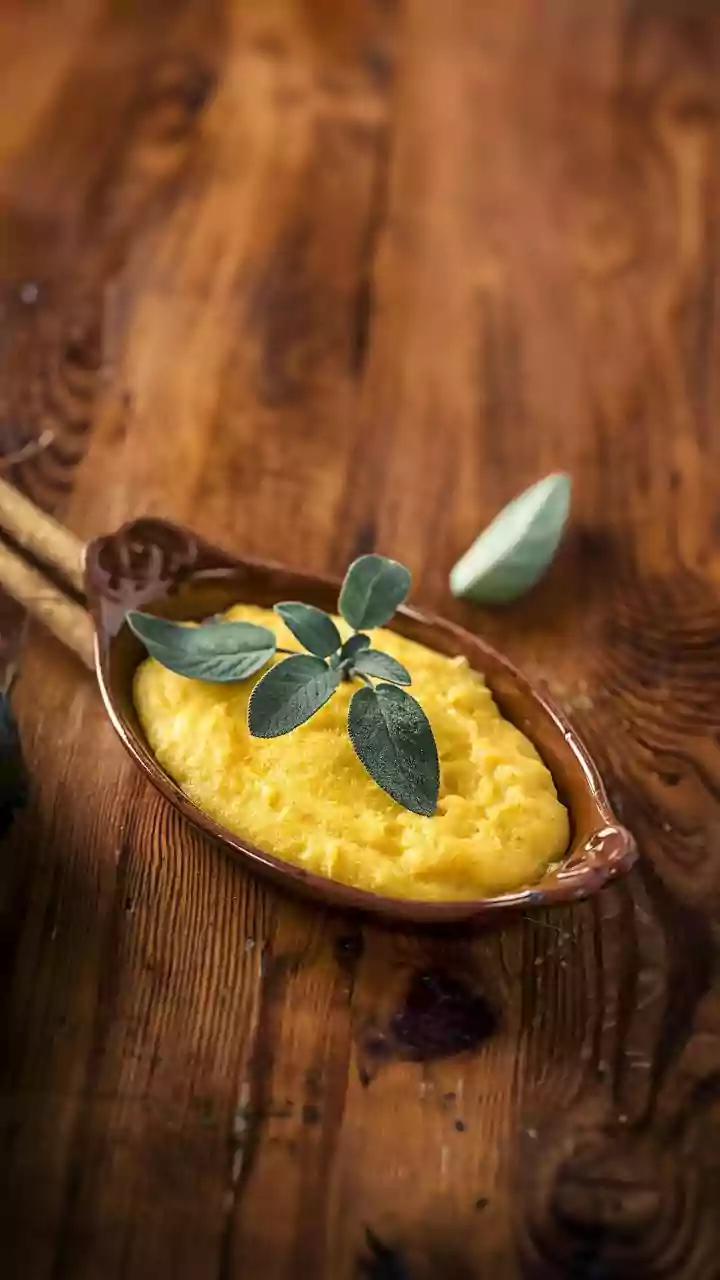
Many devotees observe a fast (vrat) on Janmashtami, abstaining from common grains like wheat and rice. Instead, the kitchen pantry relies on specific fasting-friendly flours. Buckwheat flour (kuttu ka atta), water chestnut flour (singhare ka atta), and amaranth
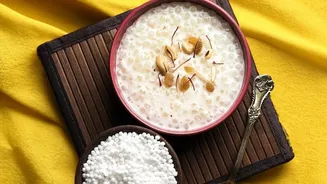
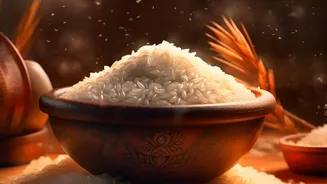
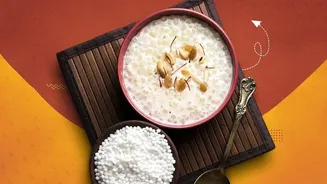
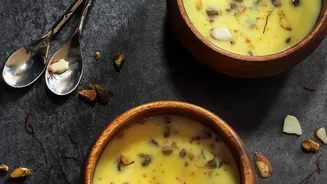
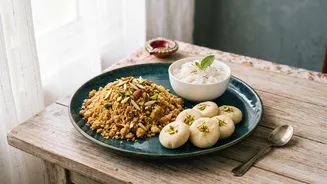
flour (rajgira ka atta) are the cornerstones of a vrat menu. These are used to prepare puris, parathas, and halwa. Sabudana (tapioca pearls) is another versatile staple, perfect for making khichdi, vada, or a creamy kheer. Barnyard millet (samak ke chawal) often serves as a substitute for rice, allowing for light and permissible pulao or khichdi dishes.
The Significance of Dairy
Dairy products are central to Janmashtami, reflecting Lord Krishna’s childhood in Vrindavan as a beloved cowherd. Fresh milk, curd (dahi), and paneer are widely consumed during the fast and used in various preparations. Ghee, or clarified butter, is the preferred cooking medium for almost all festive dishes, from frying savouries to preparing sweets, valued for its purity and auspiciousness. The most iconic offering, however, is Makhan Mishri—freshly churned white butter mixed with rock sugar (mishri). This simple preparation is believed to be Krishna's favorite, evoking tales of his playful antics as 'Makhan Chor' or the butter thief.
Panchamrit: The Five Nectars
No Janmashtami puja is complete without Panchamrit. This sacred concoction, whose name translates to 'five nectars', is used for the ritual bathing (abhishek) of the deity's idol and later distributed as prasad. The five essential ingredients are raw cow's milk, curd, honey, sugar, and ghee. Each component holds symbolic meaning: milk for purity, curd for prosperity, honey for sweet speech and unity, sugar for bliss, and ghee for strength and victory. This divine elixir represents a harmonious blend of life's essential elements and is a cornerstone of the worship.
Sweets and Prasad Offerings
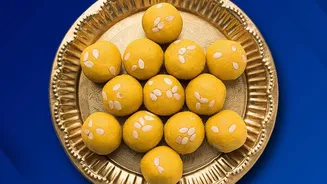
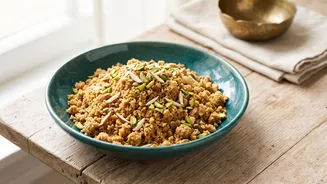
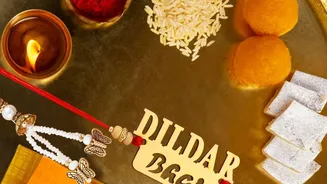
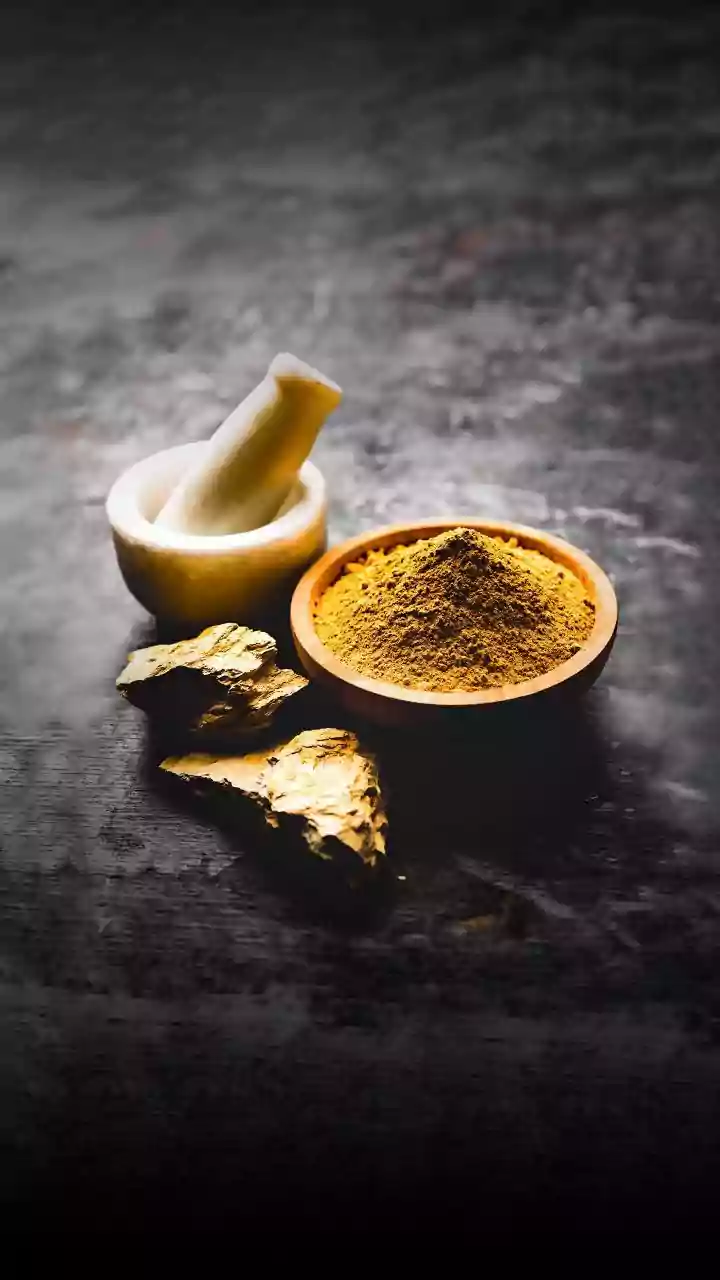
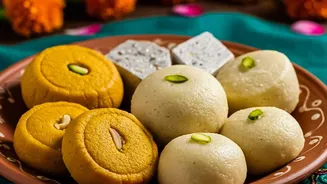
Beyond Makhan Mishri, a variety of sweets are prepared as bhog (offerings). Dhaniya Panjiri is a unique prasad made specifically for Janmashtami, consisting of roasted coriander seed powder mixed with ghee, powdered sugar, and dried nuts. It is often the first thing distributed after the midnight prayers. Other popular sweets include milk-based pedas, creamy kheer made with rice or makhana (fox nuts), and various types of laddus. These offerings are a sweet culmination of the day's devotion, prepared with care to be shared among family and friends.
Fruits, Vegetables, and Spices
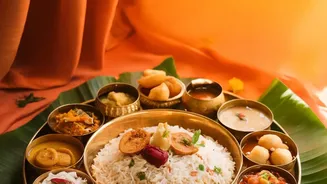
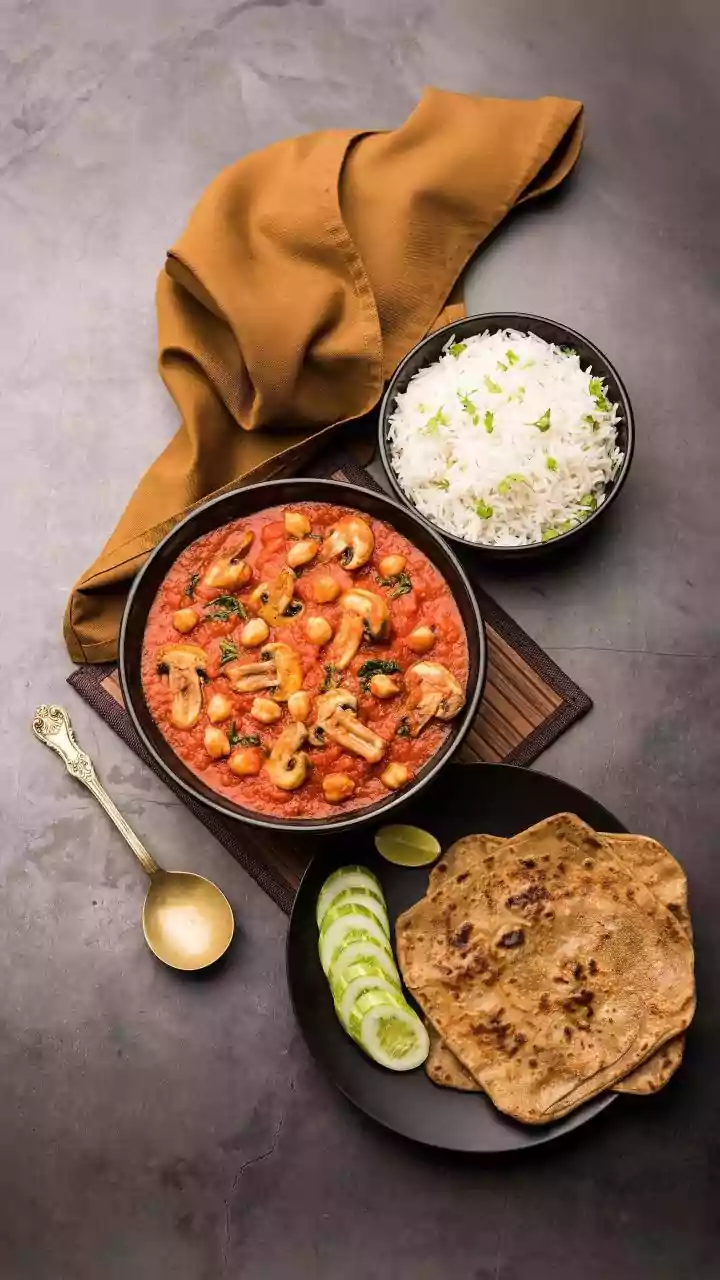
Fresh fruits like bananas, apples, and pomegranates are an integral part of both the fasting diet and the offerings. For those preparing savoury dishes, a specific list of vegetables is permitted during the vrat. Potatoes, sweet potatoes, raw bananas, bottle gourd (lauki), and pumpkin are commonly used. The seasoning is kept simple and sattvic, avoiding onion and garlic. Rock salt (sendha namak) is used instead of regular table salt. Spices like cumin seeds, black pepper, ginger, and fresh coriander add subtle flavour to the fasting meals, ensuring they are both delicious and compliant with tradition.