
Kyoto's Arashiyama Bamboo Grove
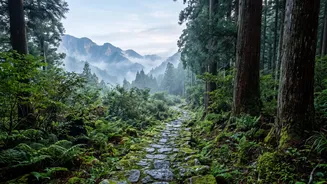
The iconic photos of the Arashiyama Bamboo Grove show a tranquil, almost mystical path through towering green stalks. The reality, however, is often a slow-moving, tightly packed queue of people all trying to get that same photo. Between mid-morning and
late afternoon, the narrow path becomes almost impassable, making it difficult to appreciate the natural beauty. The serene experience you imagined can quickly become a stressful shuffle. Instead of fighting the crowds, consider visiting at sunrise when the paths are quietest. For a truly peaceful alternative, head to Adashino Nenbutsu-ji Temple, also in Kyoto, which features its own beautiful and much quieter bamboo grove behind thousands of stone statues. Another excellent option is the Take-no-Michi 'bamboo path' in Muko, a 1.8-kilometer trail just outside Kyoto that offers a similar atmosphere without the tourist crush.
Fushimi Inari Shrine, Kyoto
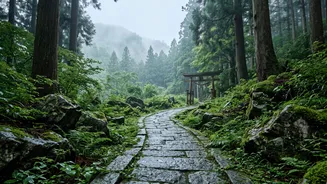
Famed for its thousands of vibrant vermilion torii gates winding up a mountainside, Fushimi Inari is one of Japan's most recognizable landmarks. Its popularity means the lower sections of the trail are perpetually congested, especially during peak hours. The spiritual atmosphere can be lost amid the chatter and the constant stop-and-go of people taking photos, turning a contemplative walk into a frustrating one. The shrine is open 24/7, and a visit before 7:30 a.m. offers a completely different, more magical experience. If an early start isn't possible, seek out Kifune Shrine, nestled in a forested valley north of Kyoto. It offers its own picturesque stone stairways lined with red lanterns, providing a calmer but equally enchanting vibe. For those exploring Tokyo, Hie Shrine offers a smaller but beautiful torii gate tunnel right in the city, minus the overwhelming crowds of its Kyoto counterpart.
Climbing Mount Fuji
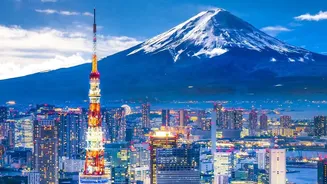
Reaching the summit of Mount Fuji is a bucket-list achievement for many. However, the official climbing season, from July to early September, is extremely short and therefore intensely crowded. The trails can become dangerously congested, with long lines forming at narrow passages and huts overflowing with climbers. This can lead to a rushed and sometimes unsafe ascent, detracting from the sacredness of the mountain. Instead of joining the summit queues, consider exploring the Fuji Five Lakes region at the mountain's base. Lake Motosu, for example, offers the iconic view of Fuji that's featured on the 1,000 yen note, but with far fewer people than the more accessible Lake Kawaguchiko. You can enjoy breathtaking views, hiking, and water activities without the stress of a crowded climb. For a sacred mountain experience with a fraction of the tourists, the Kumano Kodo pilgrimage trails in the Kii Peninsula offer ancient forests, stunning waterfalls, and profound spiritual history.
Kiyomizu-dera Temple, Kyoto
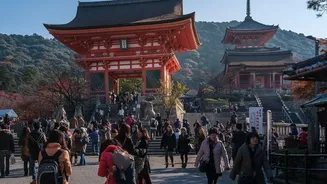
Perched on a hillside with its famous wooden stage offering panoramic views of Kyoto, Kiyomizu-dera is a masterpiece of Japanese temple architecture. Unfortunately, this also makes it one of the city's most visited spots. The narrow, shop-lined approach streets of Sannenzaka and Ninenzaka become incredibly congested, and the temple grounds themselves are often packed, especially during cherry blossom and autumn foliage seasons. It can be hard to find a moment of peace. For a similarly grand temple experience with more room to breathe, consider Engyo-ji Temple in Hyogo Prefecture, a stunning mountain temple complex used as a filming location for 'The Last Samurai'. Within Kyoto, temples like Shoren-in or Chishaku-in boast beautiful gardens and architecture but attract significantly smaller crowds, allowing for a more reflective and personal visit.