






Understanding Low-Impact Exercise
First, let's clarify what 'low-impact' means. Unlike high-impact exercises such as running or jumping, where both feet may leave the ground at once, low-impact activities ensure at least one foot remains on the ground at all times. This simple principle
dramatically reduces the jarring force and stress transmitted through your joints, particularly the knees, hips, and ankles. However, low-impact does not mean low-intensity. Activities like brisk walking, cycling, and swimming can easily elevate your heart rate into an effective cardiovascular zone, allowing you to build endurance and burn calories without punishing your body.
How It Protects and Nourishes Your Joints
When a joint is injured, the surrounding structures are vulnerable. High-impact forces can aggravate the damage and prolong recovery. Low-impact movements, by their nature, minimise this risk. More importantly, this type of exercise actively promotes joint health. Movement is essential for the circulation of synovial fluid, a substance that lubricates your joints much like oil in an engine. Gentle, controlled motion helps push this nutrient-rich fluid into the cartilage, keeping it nourished and reducing stiffness, which is a common complaint after a period of inactivity. Inactivity can actually make joints stiffer and weaker, so motion is lotion.
Building Strength Without Stress
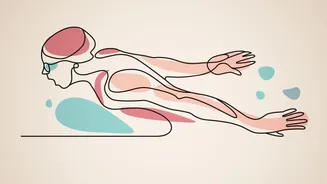
A crucial part of recovering from a joint injury is strengthening the muscles that support that joint. Stronger muscles act as shock absorbers and stabilisers, taking pressure off the joint itself and protecting it from future injury. Low-impact exercises like cycling or using an elliptical trainer are excellent for building muscular endurance in the legs and hips without the repetitive pounding of running. Similarly, swimming and water aerobics build full-body strength as the water provides resistance against all your movements, while its buoyancy supports your body weight, placing almost zero stress on the joints.
Boosting Healing and Mental Well-Being
Cardiovascular exercise increases blood flow throughout the body. This enhanced circulation is vital for healing, as it delivers more oxygen and essential nutrients to the injured tissues, helping them repair faster. But the benefits are not just physical. Being sidelined by an injury can be mentally taxing, leading to feelings of frustration and anxiety. Engaging in regular, gentle exercise releases endorphins and has been shown to boost mood, ease stress, and improve overall mental health. The ability to stay active in a safe way provides a sense of control and progress, which is powerful for a positive recovery mindset.
Great Low-Impact Cardio Options
There are many accessible and effective low-impact exercises to choose from. Walking is one of the simplest; a brisk walk can be a highly effective workout. Cycling, either on a stationary bike or outdoors, is excellent for building leg strength with minimal joint strain. Swimming is considered a top-tier option because it is a full-body workout with virtually no impact. Other great choices include using an elliptical machine, which mimics running without the impact, rowing, which engages about 85% of your body's muscles, and water aerobics. Even activities like yoga and pilates can offer cardio benefits while improving flexibility and core strength.
Tips For a Safe Start
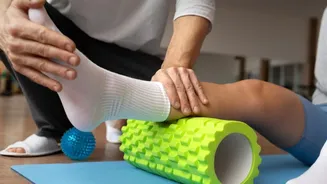
The most important rule when returning to exercise after an injury is to listen to your body and start slowly. It's crucial to get clearance from a doctor or physical therapist before beginning any new routine. They can help you understand your limits and recommend specific movements. When you do start, begin with shorter durations and lower intensity, gradually increasing as you feel stronger and more confident. Don't try to push through sharp or unusual pain; some soreness is normal, but pain is a signal to stop and rest. Focus on proper form and consider starting with bodyweight or resistance band exercises to rebuild a solid foundation.