

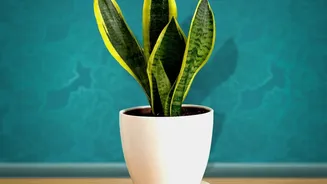
Meet Your New Desk Buddies
When it comes to indoor plants, few are as popular or as durable as the Snake Plant (Dracaena trifasciata) and the Pothos (Epipremnum aureum). These two are the superheroes of the houseplant world, known for their ability to thrive on neglect and adapt
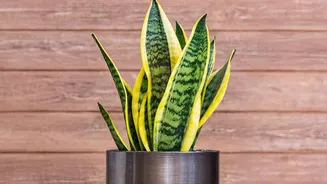
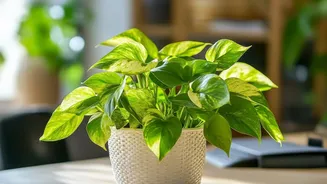
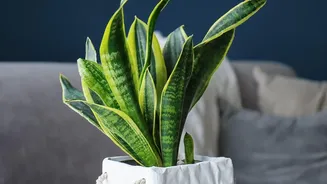
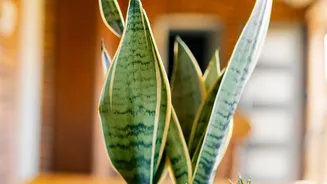
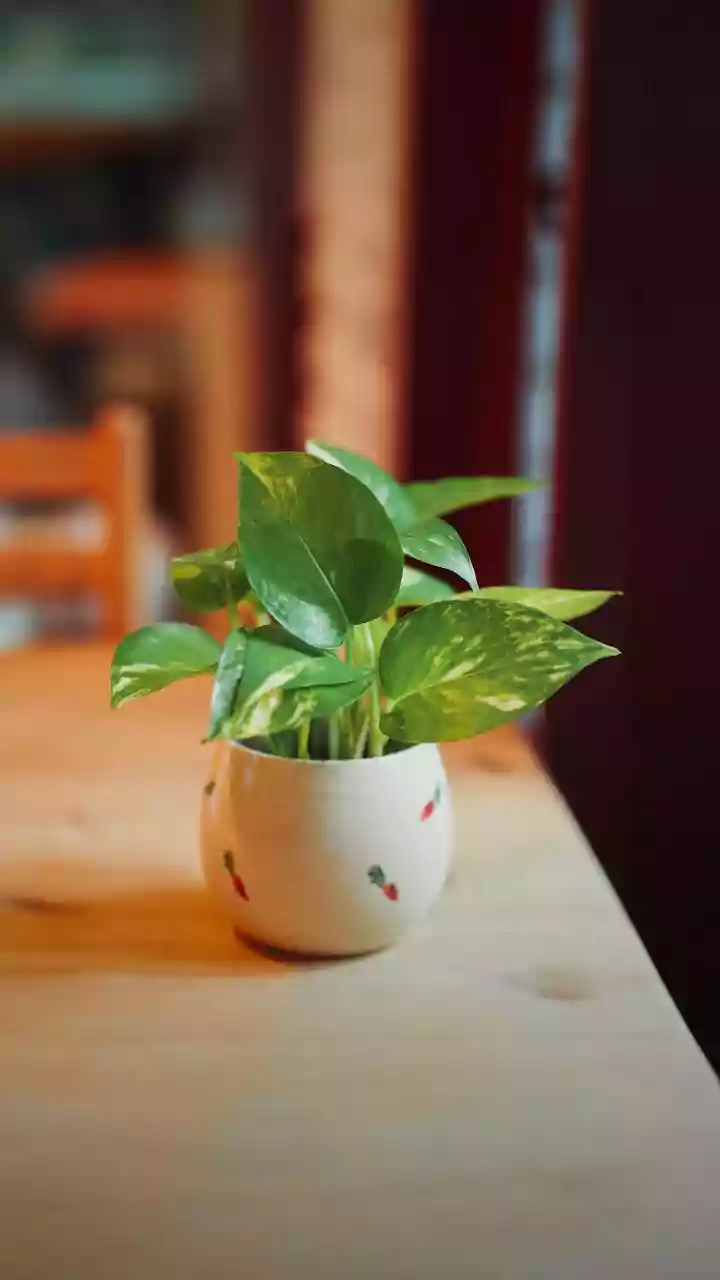
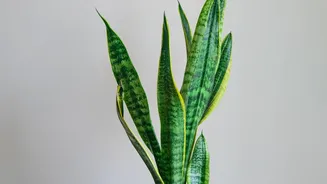
to almost any indoor environment. The Snake Plant, also called Mother-in-Law's Tongue, is known for its stiff, upright leaves that have a sleek, architectural look. It comes in various forms, from the classic dark green with yellow edges to more compact, bird's nest shapes. Pothos, often called Devil's Ivy, is a fast-growing vine with heart-shaped leaves. It’s perfect for hanging baskets or placing on a shelf where its trailing vines can cascade down, adding a lush, dynamic feel to your space. Both are excellent choices for beginners because they are incredibly resilient.
The Air-Purifying Question
You've likely heard the claim that these plants clean the air. This idea comes from a famous 1989 NASA study which found that certain houseplants could remove volatile organic compounds (VOCs) like formaldehyde and benzene from sealed chambers. Both Snake Plants and Pothos were on that list. However, modern research has added an important reality check. While plants do absorb these compounds, the effect is quite small in a normal, ventilated room. To truly purify the air in a typical room, you would need an impractically large number of plants—some studies suggest anywhere from 10 to 1,000 plants per square meter. A unique feature of the Snake Plant is that it performs a type of photosynthesis that allows it to release oxygen at night, which is why it's often recommended for bedrooms. So, while a few plants on your desk won't replace an air purifier, think of their minimal air-cleaning ability as a small bonus to their main benefits: aesthetics and improved well-being.
Snake Plant: The Unkillable Icon
The Snake Plant is the definition of low-maintenance. Its number one killer is too much love, specifically overwatering. Because its thick leaves store water, it's highly drought-tolerant. Light: It prefers bright, indirect light but tolerates low light conditions remarkably well, making it perfect for dimmer corners of a room. If it has yellow edges, more light will keep them vibrant. Water: This is the most crucial part. Let the soil dry out completely between waterings. In summer, this might mean watering every 2-3 weeks; in winter, as little as once every 4-6 weeks. When in doubt, don't water it. Soil: Use a well-draining soil mix, like one formulated for cacti or succulents, to prevent water from sitting around the roots.
Pothos: The Eager-to-Please Vine
Pothos is just as easy to care for but offers a different, softer look with its trailing vines. It's a fast grower and will let you know when it's thirsty. Light: Pothos is very adaptable but thrives in bright, indirect light. It can survive in low light, but its growth may slow, and variegated types might lose some of their patterning. Keep it out of harsh, direct sun, which can scorch the leaves. Water: Water your Pothos when the top inch of soil feels dry, usually every 1-2 weeks. If you forget, the leaves will start to droop, giving you a clear signal that it's time for a drink. It will perk right back up after watering. Be careful not to overwater, as this can lead to root rot. Placement: Let it trail from a hanging pot, drape over the side of your desk, or climb a bookshelf. Its versatility is one of its biggest charms.
Boosting Your Workspace Vibe
Adding plants to your workspace isn't just about looks. Studies have shown that the presence of greenery can reduce stress, improve concentration, and even boost productivity and creativity by up to 15%. Having something natural to look at can lower anxiety and mental fatigue, making your desk a calmer and more inspiring place to be. Even a single plant can make a noticeable difference in your mood. The simple act of caring for something alive can also provide a welcome mental break during a busy workday. Snake Plants and Pothos, with their simple needs and striking appearances, are the perfect entry point into the world of office greenery, offering significant psychological benefits with minimal effort.