





What Exactly Is a 'Clean Label'?
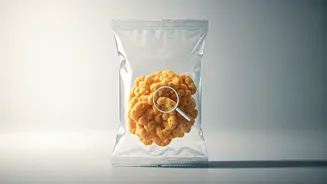
While there is no single legal definition from the Food Safety and Standards Authority of India (FSSAI), the term 'clean label' has become a powerful consumer-driven standard. It generally refers to foods with short, simple, and recognisable ingredient
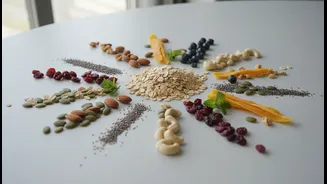
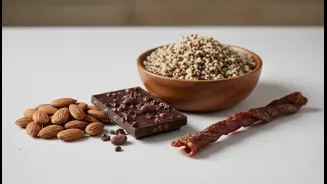
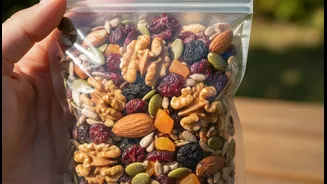
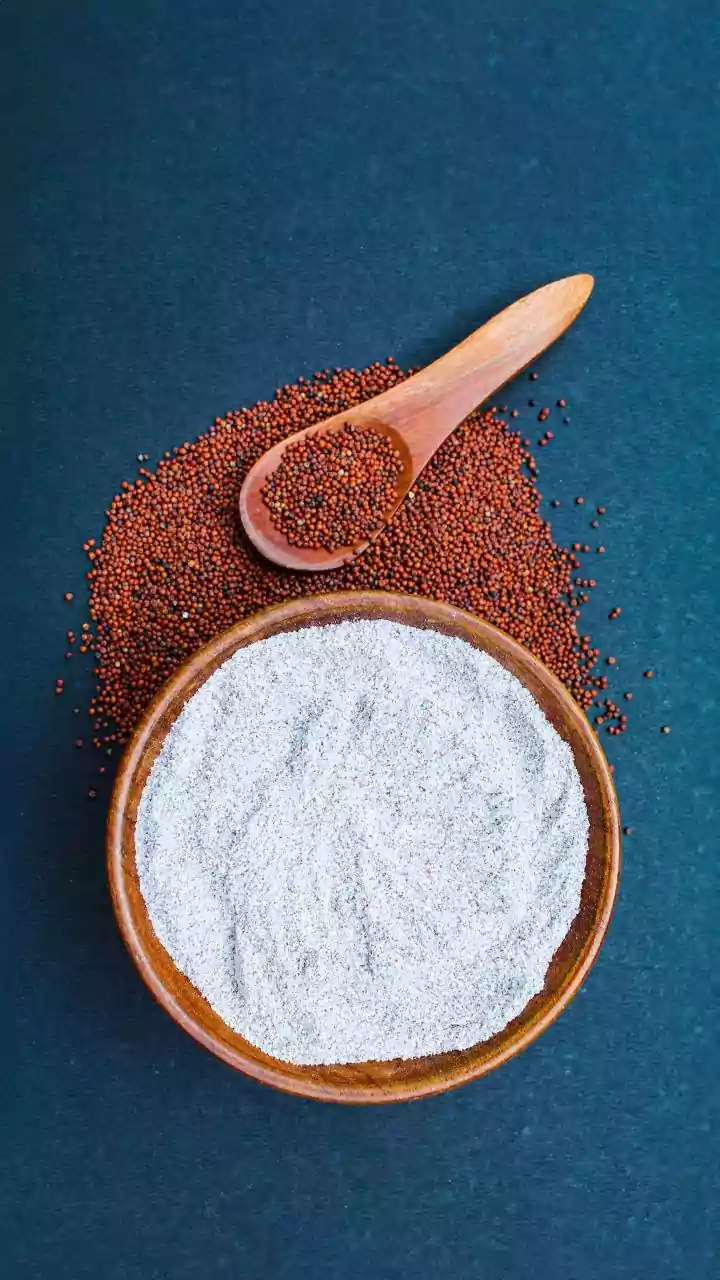
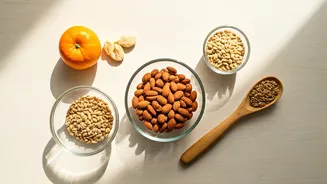
lists. Think kitchen-cupboard items like nuts, dates, and whole grains instead of long chemical names, artificial colours, preservatives, or hidden sugars. The philosophy is transparency. A product is considered 'clean' if its label is easy to understand and its contents are as close to their natural state as possible, with minimal processing. This shift represents a move from trusting a brand's marketing claims to verifying its promises through the ingredient list itself.
The New Rules of Snacking in India
This trend is driven by a fundamental shift in Indian consumer behaviour, particularly among urban, millennial, and Gen Z shoppers. Increased health consciousness, rising disposable incomes, and greater exposure to global wellness trends have made consumers more discerning. A recent report from the India Healthy Snacking Summit 2026 revealed that 62% of consumers consider clear ingredient information the most important factor when choosing a snack brand, ranking it far above celebrity endorsements. This demand for transparency is not just a niche concern; it's becoming a mainstream expectation. Consumers are actively seeking snacks that are high in protein, use natural sweeteners like dates and jaggery, and are free from artificial additives.
Trust Is the New Marketplace Currency
In a market saturated with options, a clean label has become a powerful tool for building brand loyalty. It acts as a signal of honesty and quality, cutting through the noise of advertising. When consumers see a short list of ingredients they can pronounce, it creates a psychological sense of safety and trust. This is particularly true for parents choosing snacks for their children, with nearly 60% saying they would pay more for healthier alternatives. The rise of 'health-washing' — where brands use misleading buzzwords like 'natural' on the front of the pack while hiding ultra-processed ingredients in the fine print — has made authentic transparency even more valuable. As a result, consumers are learning to spot the difference, and the brands that are genuinely clean are winning their long-term trust.
Brands Answering the Call
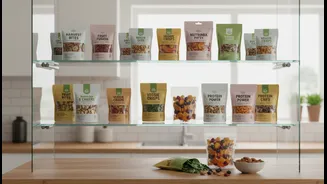
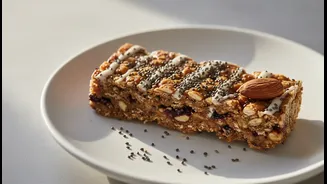
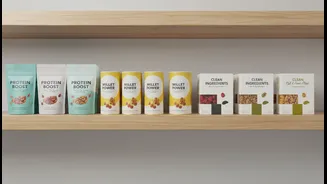
This consumer-led movement is reshaping the industry. A new wave of direct-to-consumer (D2C) brands has emerged, building their entire identity around clean-label principles. Companies like The Whole Truth, Happilo, and The Healthy Binge have gained traction by championing ingredient transparency and avoiding artificial additives. The Whole Truth, for example, is known for its protein bars with simple ingredients like nuts and dates, while The Healthy Binge offers baked snacks made from millets and grains. Even legacy FMCG players are taking note, reformulating products and launching new lines focused on healthier, cleaner ingredients to compete. The market for organic snack foods in India is projected to grow significantly, expected to reach USD 960.2 Million by 2034, demonstrating the commercial power of this trend.
Challenges and the Future of Food
Adopting a clean label strategy is not without its hurdles. Using natural ingredients can often lead to higher manufacturing costs, a shorter shelf life, and challenges in maintaining taste and texture. This can make it difficult for brands to offer clean products at a price point that is accessible to everyone. However, the trend shows no signs of slowing down. As technology in food processing improves and consumer demand continues to grow, the pressure on all brands to clean up their labels will only intensify. The future of snacking in India is being defined by shoppers who are more informed and intentional than ever before. They are proving that what's on the back of the pack is now just as important, if not more so, than the brand name on the front.