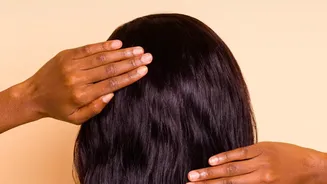





Long hair is beautiful, but the battle against tangles is real. Rather than a frustrating chore, think of detangling as the crucial first step to healthier hair and more polished hairstyles. Here’s how to do it right.
Why Gentle Detangling Matters
Aggressively pulling a brush through
knotted hair does more than just cause pain; it physically damages your hair. Each strand of hair is covered in tiny, overlapping scales called cuticles. When you force a comb through a tangle, these cuticles lift, chip, and break. This leads to frizz, split ends, and a dull appearance. Over time, this repeated stress can cause significant breakage, making it harder to grow your hair long and keep it looking healthy. Gentle detangling, on the other hand, preserves the integrity of the hair cuticle. By carefully separating strands, you minimize friction and prevent the stretching and snapping that leads to damage. This simple change in technique results in smoother, shinier hair that is more manageable and less prone to future tangles.
Your Essential Detangling Toolkit
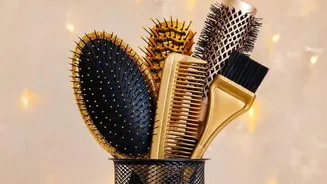
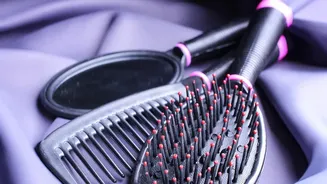
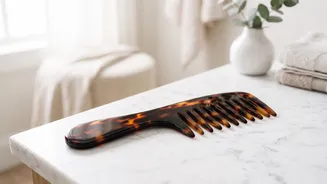
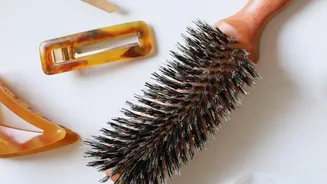
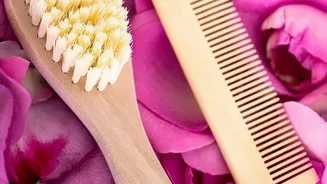
Having the right tools is non-negotiable for preventing breakage. First, a wide-tooth comb is your best friend, especially for detangling wet hair, which is more elastic and fragile. Second, a good quality detangling brush with flexible bristles is essential. These brushes are designed to bend and flex around knots, gently teasing them apart rather than ripping through them. Finally, a detangling product is key. A leave-in conditioner or detangling spray provides 'slip', coating the hair shafts so they can glide past each other with minimal friction. This makes the entire process smoother and less damaging.
The Step-by-Step Method for Zero Breakage
Patience is the most important part of this process. Never start brushing from the roots down. The golden rule of detangling is to start at the ends and work your way up. First, divide your hair into manageable sections. Holding one section firmly, begin to gently brush or comb out the last few inches. Once the ends are free of knots, move a few inches up the hair shaft and repeat the process, until you can smoothly glide the brush from the roots to the ends of that section. If you encounter a stubborn knot, stop. Apply a little more detangling spray and try to gently separate it with your fingers before using your comb.
From Detangled to Detailed Hairstyles
This is where your gentle efforts pay off. A perfectly smooth, detangled base is the foundation for creating sharp, detailed hairstyles. Think of a sleek, high ponytail; its impact comes from a smooth, uniform finish that's impossible to achieve with frizzy, tangled roots. Intricate braids, like fishtail or Dutch braids, look more defined and professional when the sections are clean and free of snags. Even simple updos like a classic chignon or a top knot look more elegant and polished when the hair is properly prepped. By taking the time to detangle correctly, you're not just protecting your hair—you're ensuring your final style looks its absolute best.
Common Mistakes to Avoid
Many common habits contribute to hair breakage. The most frequent mistake is detangling hair while it's soaking wet without conditioner, or when it's completely dry without any product. Damp, conditioned hair is often the safest state for detangling most hair types. Another error is using a brush with stiff, rigid bristles that have no give. These types of brushes force their way through knots, snapping the hair. Finally, being impatient and trying to rush the process is a major cause of damage. Trying to brush your entire head of hair in one go, rather than working in sections, will only tighten knots and lead to more breakage.