





A Landscape Reborn in Green
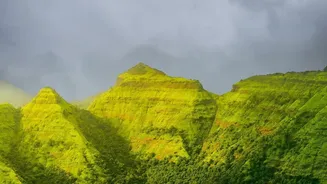
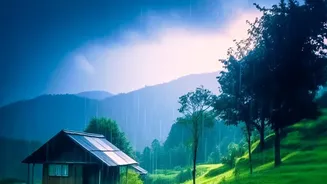
The arrival of the southwest monsoon, typically between June and September, breathes new life into every corner of Wayanad. The landscape sheds its dry-season look and cloaks itself in countless shades of vibrant green. Coffee, tea, and spice plantations
glisten under the rain, while the forests of the Western Ghats become denser and more mysterious. The earthy smell of wet soil fills the air, and a cool, refreshing climate with temperatures hovering between 18°C and 25°C provides a welcome escape from city heat. This seasonal transformation isn't just a visual upgrade; it’s a multi-sensory experience where the sound of the rain and the fragrance of the forest become the main attractions.
The Drama of Mist and Waterfalls
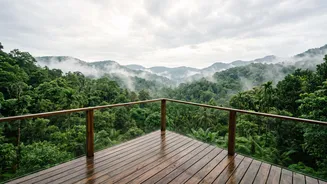
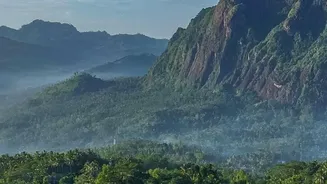
Two elements define the Wayanad monsoon view: mist and waterfalls. Hills and valleys frequently disappear beneath a thick blanket of low-hanging mist, creating a dreamlike, ever-changing panorama. Peaks like Chembra Peak, with its famous heart-shaped lake, offer surreal vistas of clouds drifting through the valleys below. The season's heavy rains also mean that the region's waterfalls are at their most powerful and dramatic. Cascades like Soochipara and Meenmutty, which can be modest trickles in other seasons, transform into thundering spectacles, their roar echoing through the forests. Watching this raw power from a safe vantage point is a core reason many travellers now specifically choose to visit during the rains.
The Eco-Stay Advantage
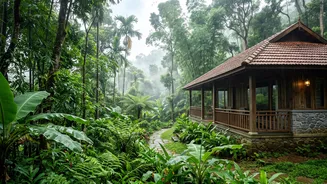
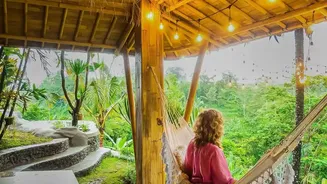
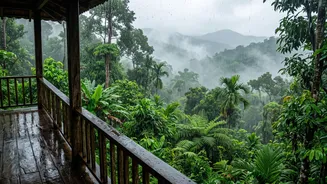
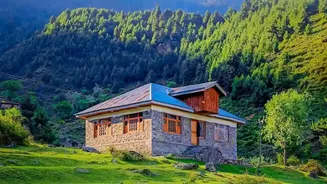
This is where the choice of accommodation becomes crucial. Unlike a standard hotel, a Wayanad eco-stay or plantation resort is designed to immerse you in the landscape. Many are built with local materials and are nestled within coffee estates or on the edge of the rainforest, meaning the holiday is not interrupted by bad weather—it's enhanced by it. A private balcony or verandah becomes your personal viewing deck, a place to sip hot coffee and watch the rain sweep across the hills. These stays prioritize the natural setting over everything else, allowing you to hear the sounds of the forest and enjoy the scenery from the comfort of your room.
A Quieter, More Authentic Experience
Visiting during the monsoon also means avoiding the peak tourist season crowds. The slower pace allows for a more peaceful and personal experience, whether you're exploring a rain-washed trail or visiting an attraction. Viewpoints are less crowded, and scenic drives through the winding ghat roads feel more like a private tour of a world drenched in green. This off-season advantage often extends to better deals on accommodation, making a luxury nature retreat more accessible. It’s a chance to see Wayanad when it is truly itself—not performing for tourists, but simply existing in its most vibrant and authentic state.
Activities Beyond the Balcony
While the rain encourages slow, relaxing days, it doesn't bring everything to a halt. The breaks between showers are perfect for short nature walks, when the birds become active and the forest floor reveals its secrets. Many resorts offer guided plantation walks or treks to nearby viewpoints. Boating on serene, mist-covered lakes like Pookode offers a different kind of tranquil experience during a light drizzle. For adventure seekers, some guided activities like ziplining or even waterfall rappelling are available, offering a thrilling way to engage with the dynamic monsoon environment.