



Beyond Looks: The Real Value
The term 'long-term value' often brings finances to mind, and while solid wood is an economical choice over time, its true worth extends much further. Unlike furniture made from particleboard or MDF, which can chip, peel, or warp within a few years, solid wood pieces
are built for longevity. Their inherent strength comes from natural wood fibres, making them dense, sturdy, and capable of handling daily life. This durability means you are not just buying a table or a chair; you are acquiring a piece that can serve your family for decades, potentially becoming a cherished heirloom. The initial higher cost is offset by avoiding the cycle of replacing cheaper furniture every few years, making it a more sustainable and ultimately more affordable decision.
The Heart of Rustic Style
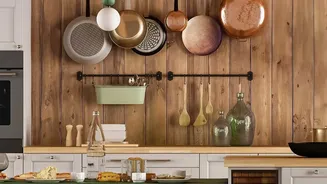
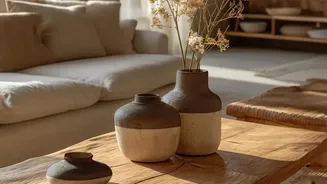
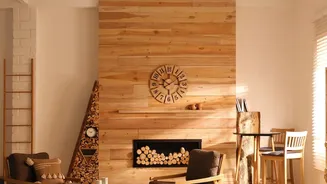
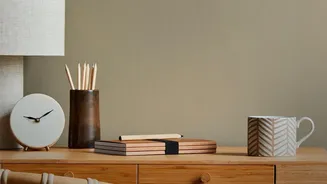
Rustic decor is defined by its connection to nature, celebrating raw, unpretentious beauty. It focuses on natural materials, earthy colour palettes, and handcrafted appeal. Solid wood is the cornerstone of this style. Its natural grains, knots, and imperfections tell a story that cannot be replicated by synthetic materials. Whether it is the deep, rich tones of Sheesham or the warm character of Mango wood, each piece is unique. The rustic aesthetic is not about flawless perfection but about authenticity and creating a cosy, lived-in atmosphere. It embraces textures that are honest and simple, allowing the inherent beauty of the wood to take centre stage.
Popular Woods for Indian Homes
In India, several types of solid wood are prized for their durability and beauty. Sheesham (Indian Rosewood) is a popular hardwood known for its strength, resistance to termites, and distinctive, rich grain. It is a versatile wood ideal for everything from beds to dining tables. Teak is another premium choice, valued for its exceptional durability and natural oils that make it highly resistant to moisture and pests, though it comes at a higher price. For a more budget-friendly yet still durable option, Mango wood has become a favourite. It is a hardwood that is strong enough for daily use and offers a unique, beautiful grain, making it a great value choice for accent pieces and tables.
A Style That Adapts and Endures
One of the greatest advantages of solid wood furniture is its capacity for renewal. Life happens, and furniture can get scratched or dented. With engineered wood or laminates, this often means the end of the line. Solid wood, however, can be repaired. Scratches can be sanded out, and the entire piece can be refinished to look new again or updated with a different stain to match evolving decor tastes. This adaptability ensures that your furniture does not just last, but can also evolve with your home and style over the years. A well-made solid wood piece is not a static object but a dynamic part of your home's story that gains character with age.
Protecting Your Investment
To ensure your solid wood furniture lasts a lifetime, a little care goes a long way. Regular dusting with a soft, lint-free cloth is essential to prevent scratches from accumulating dirt. It is best to avoid placing furniture in direct sunlight for extended periods, as this can cause the colour to fade over time. Use coasters and placemats to protect the surface from moisture and heat. Wood can be sensitive to extreme changes in temperature and humidity, which can cause it to expand or contract, so maintaining a stable indoor environment is ideal. An occasional polish or waxing can also help maintain the finish and protect the wood, keeping it beautiful for decades.