


The Monsoon’s Great Wash
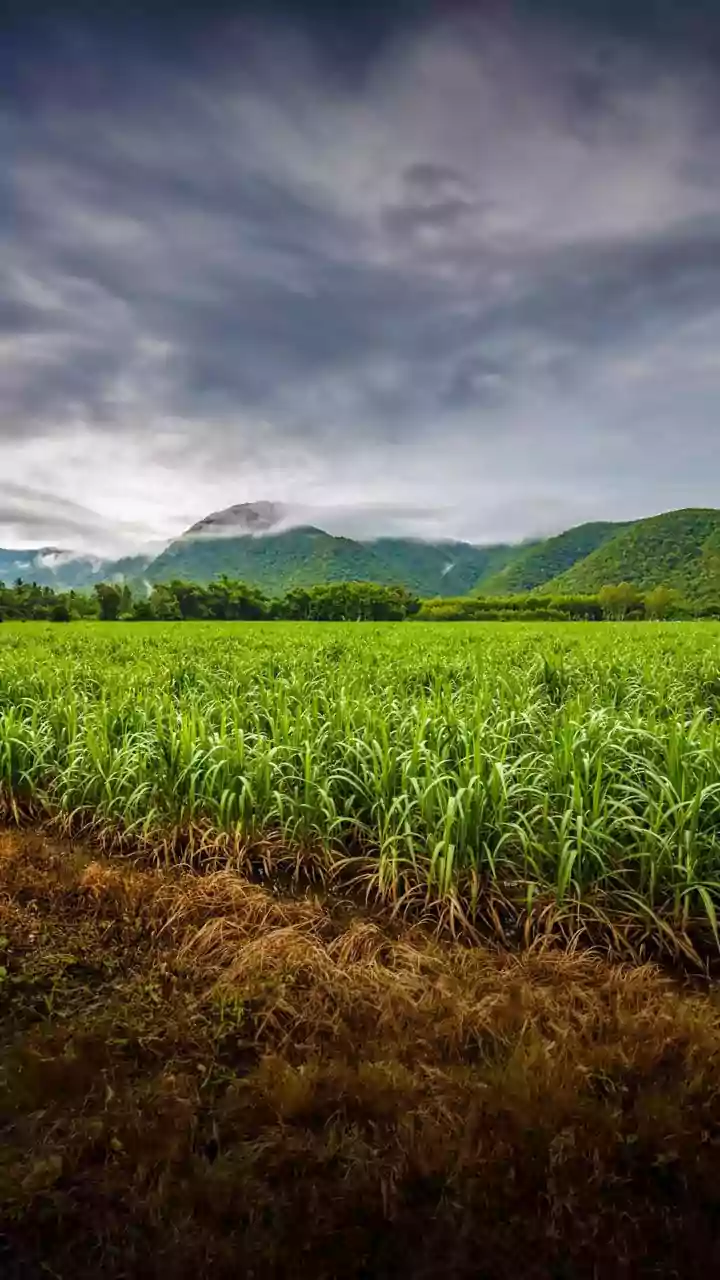
Throughout the monsoon season, heavy and sustained rainfall acts as a natural atmospheric cleanser. Rain droplets capture and pull down pollutants, from dust particles to harmful aerosols, literally washing the air clean. This process, known as wet deposition,
is highly effective at scrubbing the lower atmosphere. Strong, moisture-laden winds also help disperse any remaining pollutants, leading to the exceptionally good air quality and clear vistas that many city dwellers enjoy between June and September. In essence, the monsoon provides a temporary reset button for the atmosphere, flushing out months of accumulated pollution.
The Calm Before the Smog
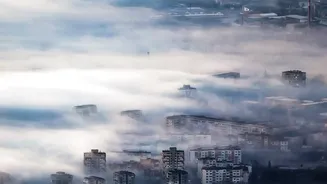
As the monsoon retreats, meteorological conditions begin to change dramatically. The strong, wet south-westerly monsoon winds weaken and are replaced by calmer, drier north-westerly winds. This shift is critical. Instead of dispersing pollutants, the lighter winds allow them to stagnate and accumulate over the vast Indo-Gangetic Plain. Furthermore, as winter approaches, the nights grow longer and cooler. This leads to a phenomenon called temperature inversion, which acts like a lid on the atmosphere. Normally, air is warmer near the ground and gets cooler with altitude, allowing pollutants to rise and scatter. During an inversion, a layer of warmer air traps a layer of cooler, denser air near the ground, preventing this vertical mixing. This atmospheric trap means that any pollution emitted near the surface is stuck there, getting more concentrated by the day.
A Perfect Storm of Pollutants
This atmospheric trap coincides with a significant increase in man-made pollution sources. The period from October to November marks the harvest of the paddy crop in neighbouring states like Punjab and Haryana. To quickly clear fields for the next crop, many farmers resort to burning the leftover crop residue, or stubble. These agricultural fires generate enormous plumes of smoke containing particulate matter (PM2.5 and PM10), carbon monoxide, and other toxins. The prevailing north-westerly winds carry this smoke directly towards cities like Delhi, where it becomes a primary contributor to the seasonal smog, sometimes accounting for over 40% of particulate pollution.
Festivals, Traffic, and Industry
The problem is compounded by other sources. The festival of Diwali, which often falls during this period, traditionally involves bursting firecrackers, which release a high concentration of pollutants in a very short time, causing sharp spikes in the Air Quality Index (AQI). On top of these seasonal spikes is the constant, baseline pollution from city life itself. Vehicular emissions from ever-increasing traffic, dust from construction sites, and emissions from industries all continue unabated. With the temperature inversion preventing these pollutants from escaping, they mix with the smoke from farm fires and festival celebrations, creating a toxic cocktail that blankets entire regions. Studies have identified this combination of long-range transport from biomass burning and local emissions as the key drivers of the post-monsoon pollution crisis.