






Tyres: Your First Line of Defence
Your tyres are the only part of your car in contact with the road, making them critical for safety on slippery hill roads. Before you leave, inspect the tread depth. A deeper tread is essential for channelling water away and preventing hydroplaning—a
dangerous situation where your car loses traction on a wet surface. Aim for a tread depth of at least 3mm for monsoon driving. Also, check the tyre pressure when the tyres are cold and ensure it matches the manufacturer’s recommendation for the load you'll be carrying. Don’t forget to inspect the spare tyre; it should be properly inflated and in good condition.
Brakes: The Ultimate Safety Check
Responsive brakes are non-negotiable when navigating steep descents on wet roads. Your vehicle's stopping distance increases significantly in rainy conditions. Before your trip, get your brakes professionally inspected. Listen for any grinding or squealing noises, and pay attention to a soft or 'spongy' feel in the brake pedal, which could indicate a problem. On long downhill stretches, avoid continuously pressing the brake pedal, as this can cause overheating. Instead, shift to a lower gear and use engine braking to control your speed safely.
Visibility: See and Be Seen
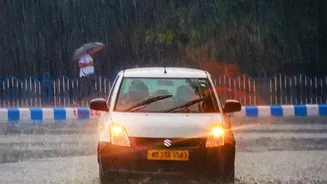
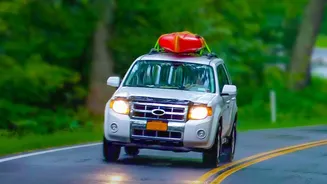
Heavy downpours and fog can reduce visibility to almost zero in seconds. Your windscreen wipers are your most important tool in these moments. Check the rubber blades for any cracks or wear; if they leave streaks, replace them immediately. Top up your windshield washer fluid, as you'll need it to clear mud splashed by other vehicles. Equally important is ensuring other drivers can see you. Test all your lights: headlights (both high and low beams), taillights, brake lights, and indicators. In foggy conditions, use your fog lamps, but avoid using high beams in heavy rain as they can cause glare for oncoming traffic.
Under the Hood and Electricals
A few quick checks under the hood can prevent major headaches. Ensure your engine oil, coolant, and brake fluid levels are between the minimum and maximum marks. The engine works harder on steep inclines, and proper coolant levels are vital to prevent overheating. The monsoon’s dampness can also affect your car’s electrical systems. Give your battery a quick check to ensure the terminals are clean and the connections are tight. A dead battery in a remote, rainy location is a scenario best avoided.
Smart Driving on Hill Roads
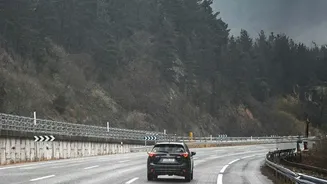
Once you're on the move, adapt your driving style to the conditions. Drive slowly and maintain a greater distance from the vehicle ahead. Avoid sudden acceleration, braking, or sharp turns, which can cause you to lose control. When approaching curves, slow down before entering the turn, not while in it. Be extremely cautious of waterlogged patches. It’s often impossible to tell how deep the water is or what hazards lie beneath. If a patch of water looks deep, it’s best to avoid it entirely. Never use cruise control on wet roads, as it can make it harder to react if you start to hydroplane.
Pack a Monsoon Emergency Kit
Even with perfect preparation, the unexpected can happen. A well-stocked emergency kit is crucial. Include essentials like a tow rope, jumper cables, and a basic tool kit. A powerful torch, a first-aid kit with basic medicines, and high-energy snacks like biscuits are also must-haves. Pack a waterproof jacket or poncho and ensure your phone is fully charged, with a power bank as a backup. These items can be lifesavers if you’re stranded due to a breakdown or a road closure caused by a landslide.