
Loktak Lake, Manipur: The Lake of Floating Islands
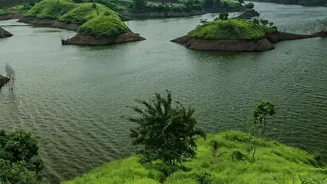
Loktak Lake is the largest freshwater lake in Northeast India and a true ecological marvel. It is famous for its 'phumdis', which are floating islands made of vegetation, soil, and organic matter in various stages of decay. These circular landmasses are so significant
that they can be seen from space and are strong enough for local fishermen to build their homes on them. The most remarkable of these is the world's only floating national park, Keibul Lamjao National Park. This 40-square-kilometre phumdi is the last natural refuge of the endangered Sangai, or dancing deer, which is Manipur's state animal. A boat ride across the vast, calm waters offers a glimpse into a unique way of life, where the boundary between land and water is beautifully blurred. For a panoramic view, a visit to Sendra Island is a must.
Tsomgo Lake, Sikkim: The Glacial Wonder
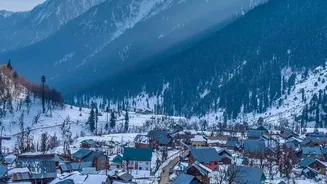
Located about 40 kilometres from Gangtok, Tsomgo Lake, also known as Changu Lake, is a high-altitude glacial lake that sits at an elevation of over 12,000 feet. Surrounded by steep, snow-covered mountains, this oval-shaped lake is revered by locals and is known for changing colours with the seasons. It remains frozen solid during the winter, creating a stunning white landscape, while in spring, its surroundings burst into a riot of colour with blooming rhododendrons and poppies. The lake's surface reflects the dramatic Himalayan peaks, making it a photographer’s paradise. For centuries, Buddhist monks would study the lake's changing colours to predict the future. Today, visitors can enjoy the serene atmosphere, take a ride on a colourfully decorated yak, and visit the small Shiva temple on its bank.
Gurudongmar Lake, Sikkim: The Sacred High-Altitude Giant
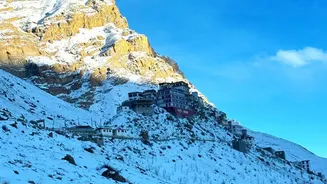
At an elevation of nearly 17,800 feet, Gurudongmar Lake in North Sikkim is one of the highest lakes in the world. Situated just a few kilometres from the Chinese border, it is a place of immense spiritual significance for both Buddhists and Hindus. The lake is named after Guru Padmasambhava, who is believed to have visited in the 8th century. Legend has it that he touched a part of the lake, and that portion never freezes, providing a source of water even in the harshest winters. The journey here is an adventure through rugged, high-altitude terrain, but the reward is the breathtaking sight of the lake's brilliant turquoise waters set against a backdrop of stark, snow-dusted mountains. The air is thin, and the silence is profound, making a visit to Gurudongmar a truly humbling experience.
Umiam Lake, Meghalaya: The Vast Reservoir of Tranquility
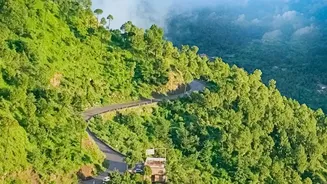
Often called Barapani or 'big water', Umiam Lake is a vast man-made reservoir located just north of Shillong. Formed in the early 1960s by the damming of the Umiam River, it is surrounded by the rolling green Khasi hills, creating a picturesque setting that feels worlds away from city life. The lake has become a major hub for water sports, offering activities like kayaking, boating, water skiing, and sailing. Beyond the adventure, Umiam Lake is a place of serene beauty. There are several viewpoints and resorts along its shores that offer stunning panoramic views, especially during sunrise and sunset. Visitors can also explore Lumpongden Island, a secluded spot in the middle of the reservoir perfect for a quiet picnic or camping.
Sela Lake, Arunachal Pradesh: The Paradise Lake
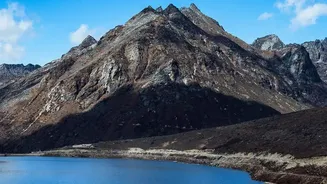
Nestled near the high-altitude Sela Pass on the route to Tawang, Sela Lake is often called 'Paradise Lake' for its ethereal beauty. Situated at an altitude of approximately 13,700 feet, the lake is considered sacred by the local Monpa tribe. It is surrounded by barren, rocky mountains that are typically covered in snow for much of the year, and its crystal-clear blue water perfectly reflects the sky and peaks. During winter, the lake often freezes completely, transforming the landscape into a scene of stark, pristine beauty. Sela Lake's tranquillity and raw, untouched feel make it a powerful stop, offering a moment of quiet connection with the grand-scale nature of the Eastern Himalayas.