
A Collective Exhale in Design
After years of fast-paced urban life and digital saturation, there's a growing desire for our homes to be sanctuaries. Homeowners are moving away from spaces that feel sterile or purely ornamental, seeking instead a sense of calm and authenticity. This
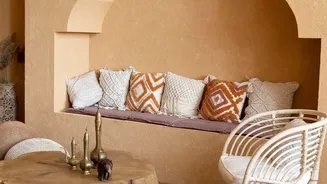
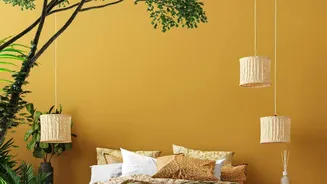
is more than a fleeting trend; designers see it as a collective turning away from the clinical and a turn toward the tactile and natural. The focus has shifted to creating environments that support mental well-being, reduce stress, and provide a grounding escape from the world outside. Earthy palettes of terracotta, olive, beige, and brown create a sense of psychological comfort and emotional balance, making a home feel both welcoming and stable.
The Elements of Earthy Interiors
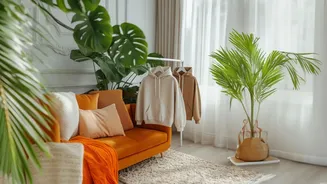
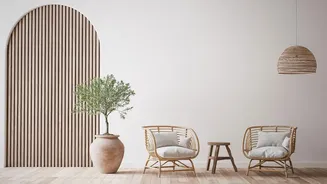
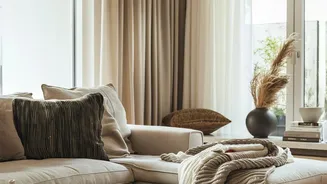
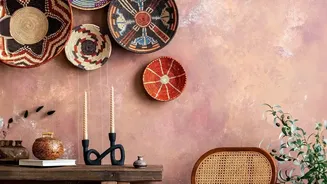
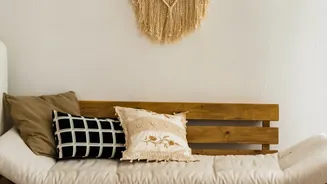
So what does an 'earth-inspired' interior actually look like? It’s a sensory experience built on a foundation of natural materials. Think furniture made from wood, cane, and rattan, which add warmth and versatility. Floors and walls might feature natural stones like kota or limestone, or the distinctive charm of exposed brick. Textures are key, brought in through jute rugs, linen curtains, and organic cotton fabrics that are soft to the touch. The colour palette is drawn directly from nature: muted greens, warm beiges, soft rusts, and deep clay tones dominate, creating a soothing and harmonious atmosphere that works beautifully with the strong quality of light in India.
Bringing the Outside In, Intelligently
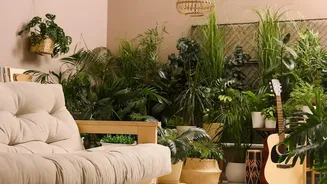
This trend is closely linked with 'biophilic design'—the practice of connecting our indoor spaces with the natural world. This goes beyond simply adding a few potted plants in a corner. It involves the deliberate use of natural light, improving airflow through cross-ventilation, and ensuring visual access to greenery from primary living and working areas. Studies have shown that these connections to nature can improve sleep, reduce stress, and enhance focus. In urban apartments where a garden isn't possible, this can mean using large windows, creating green balconies with terracotta planters, or even installing a small water feature to introduce the calming sound of moving water.
A Return to Indian Roots
What makes this trend resonate so deeply in India is that it isn't entirely new—it's a modern reinterpretation of traditional design principles. Indian homes have historically used local, natural materials like terracotta, stone, and mud for their climate suitability and availability. The cooling properties of terracotta tiles, the durability of natural stone, and the breathability of lime plaster are perfectly suited to the Indian climate. This trend sees a revival of these age-old practices, blending them with contemporary aesthetics. It's a 'homecoming' that connects modern homes to a rich architectural heritage, celebrating local craftsmanship and materials.
The Rise of Conscious Consumerism
The shift towards earthy interiors is also fuelled by a growing consciousness around sustainability. Homeowners are increasingly making eco-friendly choices, opting for materials that are renewable, reclaimed, or locally sourced to reduce their environmental footprint. Choosing reclaimed wood, bamboo, jute, and low-VOC (volatile organic compound) paints is not just an aesthetic decision but an ethical one. These sustainable materials improve indoor air quality and reduce waste, aligning with a lifestyle that values health and environmental responsibility. This makes the home not only a beautiful space but a healthier one too.