







The Plant-Milk Boom Continues
The global shift towards plant-based diets has turned the dairy alternative section of the grocery store into a crowded marketplace. What started with soy milk has expanded to include options from nuts, grains, and seeds. Almond and oat milk have enjoyed
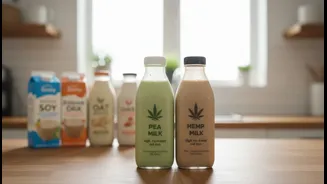
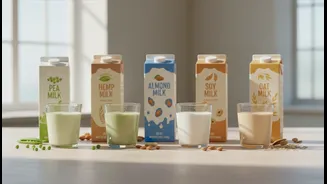
immense popularity, becoming household staples for many. Now, two relatively new options are gaining traction: pea and hemp milk. Each promises a unique combination of nutrition, taste, and sustainability. But navigating the pros and cons can be overwhelming. Let's break down how these newcomers compare to the more traditional plant-based choices, helping you decide which milk is the right fit for your lifestyle.
Nutritional Showdown: Protein is a Key Player
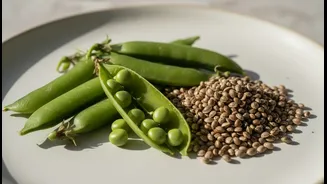
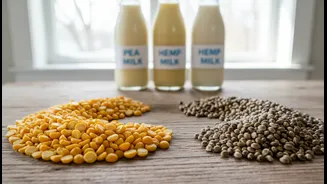
When it comes to nutrition, pea and soy milk are the clear frontrunners in the plant-based world, closely rivalling dairy milk's protein content. Unsweetened pea milk, made from yellow split peas, and soy milk both pack a powerful punch with about 7 to 8 grams of protein per cup. This makes them excellent choices for those looking to maintain high protein intake. Hemp milk offers a moderate amount of protein, typically around 3 grams per cup, but its real nutritional claim to fame is its healthy fat profile, which includes omega-3 and omega-6 fatty acids. In contrast, the more established almond milk is surprisingly low in protein, often containing just 1 gram per cup. Oat milk sits in the middle, with about 2 to 3 grams of protein, but it brings beneficial soluble fiber, including beta-glucans, which can help lower cholesterol. Most plant milks are fortified with calcium and vitamin D to match dairy, but it's always wise to check the label.
The Taste and Texture Test
Taste is subjective, but texture can make or break your coffee or cereal. Oat milk is the undisputed champion of creaminess, celebrated by baristas for its ability to froth into a rich, velvety foam similar to dairy milk. Pea milk is also praised for its surprisingly creamy and smooth texture, with a neutral flavour that is far from what you might expect from peas. Many find it mixes well into coffee without separating. Soy milk, the original plant-based powerhouse, is also quite creamy and versatile for everything from lattes to baking. Hemp milk has a distinct nutty and earthy flavour that can be divisive. Its texture is thinner than oat or pea milk, but creamier than almond milk. Almond milk is known for its light body and mildly nutty taste, which makes it a refreshing choice for smoothies and cereal but less ideal for creating frothy coffee.
The Environmental Footprint
For many, the switch to plant-based milk is driven by environmental concerns. All plant milks have a significantly smaller environmental footprint than dairy milk in terms of land use, water use, and greenhouse gas emissions. However, there are differences among them. Almond milk has come under scrutiny for its high water consumption, especially since most almonds are grown in drought-prone regions. Soy milk has a low footprint, but concerns about deforestation, primarily for livestock feed, have led some to seek out brands using organically grown beans from North America. Oat milk generally has a very low impact, requiring less water and land. Pea milk is also a strong sustainable choice, as peas are nitrogen-fixing crops that enrich the soil and typically require less water than almonds. Hemp is another eco-friendly option, as the plant is resilient and requires less water than many other crops.
Price and Availability
While soy and almond milk are widely available and generally the most affordable plant-based options, the newer players can come with a higher price tag. Oat milk's popularity has increased its availability, but it often remains priced at a premium. Pea and hemp milks are typically the most expensive options and might be harder to find outside of larger supermarkets or health food stores. As demand grows for these newer alternatives, prices and accessibility are likely to improve, but for now, budget-conscious shoppers may find soy and almond milk to be the most practical choices.